
Sports
Dhurandhar: Controversial Bollywood Film Explores India-Pakistan Tensions

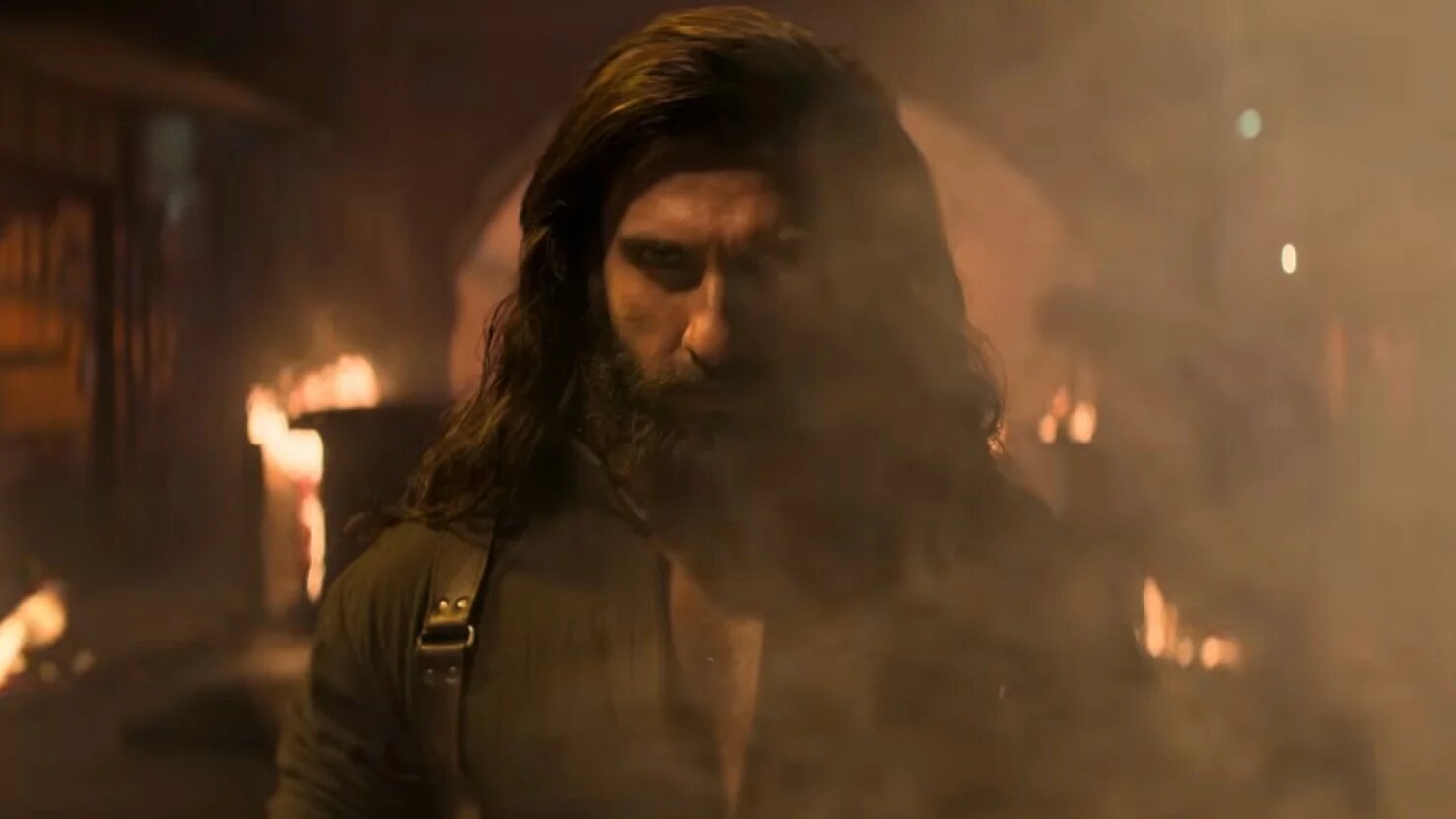
The new Bollywood film Dhurandhar, directed by Aditya Dhar, has stirred significant controversy with its portrayal of espionage and conflict between India and Pakistan. Released in late October 2023, this Hindi blockbuster presents a narrative centered on Indian spy Jaskirat Singh Rangi, played by Ranveer Singh, who is tasked with infiltrating Pakistan’s underworld to dismantle its terror network. The film’s premise is set against the backdrop of two major terrorist events: the hijacking of an Indian Airlines flight in 1999 and the 2001 attack on the Indian Parliament, both attributed to Pakistan-based armed groups.
In the film, Rangi is sent by Indian intelligence chief Ajay Sanyal, a character based on India’s National Security Advisor Ajay Doval, to disrupt the activities of gangs in Karachi, specifically in the neighborhood of Lyari. Once known for its vibrant culture, Lyari is depicted as a chaotic environment rife with violence and criminality, a significant departure from its actual socio-political context. The film’s portrayal raises questions about the accuracy of its representation of Pakistan and its complex political landscape.
The narrative follows Rangi as he adopts the alias Hamza Ali Mazari, navigating the violent underbelly of Lyari and aligning himself with gang leader Rehman Dakait, played by Akshaye Khanna. The film escalates as Hamza’s mission unfolds, ultimately aiming to disrupt ties between Rehman and the Pakistani military’s intelligence agency, the ISI. The film’s creators have faced criticism for their reliance on caricatures and stereotypes, particularly in their depiction of Muslims and the portrayal of Pakistani society.
Criticism of Historical and Cultural Representation
Critics have raised concerns regarding the film’s historical accuracy and its potential to perpetuate harmful stereotypes. By fabricating a narrative that suggests Lyari’s gangsters control Pakistan’s political landscape, Dhurandhar distorts the reality of the region. In actuality, the socio-political dynamics of Karachi are far more complex, with political powers often exploiting the underworld rather than being controlled by it. This misrepresentation can have broader implications, contributing to the ongoing tensions between India and Pakistan.
The film’s use of documentary footage and real audio recordings from the 2008 Mumbai attacks further complicates its narrative. Critics argue that this blending of fact and fiction creates confusion and blurs the line between reality and dramatization. The film’s self-assured stance as a piece of historical fiction is undermined by its manipulation of events to align with a specific political narrative.
In a notable scene, a character instructs attackers not to spare any foreigners, reinforcing a narrative of violence that many find troubling. Such depictions not only serve to vilify Pakistan but also risk further entrenching negative perceptions among viewers.
A Visual Spectacle with an Agenda
Despite its contentious themes, Dhurandhar has been praised for its visual elements and ambitious storytelling. Running for over three and a half hours, the film aims to combine elements of an espionage thriller with stylized sequences that resemble a music video or a video game. However, the ambitious structure has led some to describe it as bloated and unfocused.
The film’s portrayal of Lyari, instead of celebrating its unique culture, presents a bleak and monochromatic vision that neglects the vibrancy of the community. While the film attempts to address geopolitical issues, including the situation in Balochistan, it often reduces complex narratives to simplistic tropes, failing to engage with the realities on the ground.
Dhurandhar has resonated with certain audiences, particularly among Indian nationalists, who view it as a representation of strength and resolve against perceived threats. As the credits roll, Rangi delivers a statement that encapsulates the film’s ethos, declaring, “This is the new India. We barge into your house, and we terminate you.” Such declarations underscore the film’s alignment with contemporary nationalist sentiments in India.
In conclusion, while Dhurandhar may serve as a visual spectacle, its reliance on stereotypes and questionable historical interpretations raises concerns about its impact on public perceptions of Pakistan and the ongoing India-Pakistan conflict. As audiences engage with this cinematic narrative, the implications of its portrayal will likely reverberate beyond the screen, influencing perceptions and narratives in the real world.

Moyes Faces Referee Controversy Ahead of Everton vs Chelsea Clash

Man Hospitalised After Assault Outside Shop in Sandwell

Fred MacAulay and Ally McCoist Reunite for Special World Cup Show

NoOnes Targets $1 Trillion Gift Card Market to Enhance Crypto Access

Beloved Actor Matt Clark Passes Away at 89, Fans Mourn Loss

Discover How Milk Thistle Supplements Enhance Liver Health

Irish Community Care Celebrates 60 Years of Support in Liverpool

New Affordable Housing Development Planned for Crawley Site

Millions of Parking Tickets Issued Amid Calls for Reform

Claire Tomlinson Bids Farewell to Sky Sports After 27 Years

Iconic 90s TV Show House Hits Market for £1.1 Million

Nathan Cleary’s Family Celebrates Engagement Amid Romance Rumors

Tributes Flow for Kerry Gentle, Beloved RNLI Volunteer and Artist

Milk Bank Urges Mothers to Donate for Premature Babies’ Health

Shoppers Flock to Discounted Neck Pillow on Amazon for Travel Comfort

Alessia Russo Signs Long-Term Deal with Arsenal Ahead of WSL Season

Nuneaton Town FC Advances Plans for New Stadium in Stockingford

Exploring England’s Cathedrals: A Journey Through History and Architecture
-
 Lifestyle8 months ago
Claire Tomlinson Bids Farewell to Sky Sports After 27 Years
-
 Entertainment11 months ago
Iconic 90s TV Show House Hits Market for £1.1 Million
-
 Sports1 year ago
Nathan Cleary’s Family Celebrates Engagement Amid Romance Rumors
-
 Lifestyle8 months ago
Tributes Flow for Kerry Gentle, Beloved RNLI Volunteer and Artist
-
 Lifestyle1 year ago
Milk Bank Urges Mothers to Donate for Premature Babies’ Health
-
 Lifestyle1 year ago
Shoppers Flock to Discounted Neck Pillow on Amazon for Travel Comfort
-
 Sports12 months ago
Alessia Russo Signs Long-Term Deal with Arsenal Ahead of WSL Season
-
 Sports9 months ago
Nuneaton Town FC Advances Plans for New Stadium in Stockingford
-
 Lifestyle1 year ago
Exploring England’s Cathedrals: A Journey Through History and Architecture
-

 Politics1 year ago
Museums Body Critiques EHRC Proposals on Gender Facilities
-

 Business1 year ago
Trump Visits Europe: Business, Politics, or Leisure?
-

 Lifestyle1 year ago
Japanese Teen Sorato Shimizu Breaks U18 100m Record in 10 Seconds