
World
New Contactless Payment Rules Align Cards with Digital Wallets

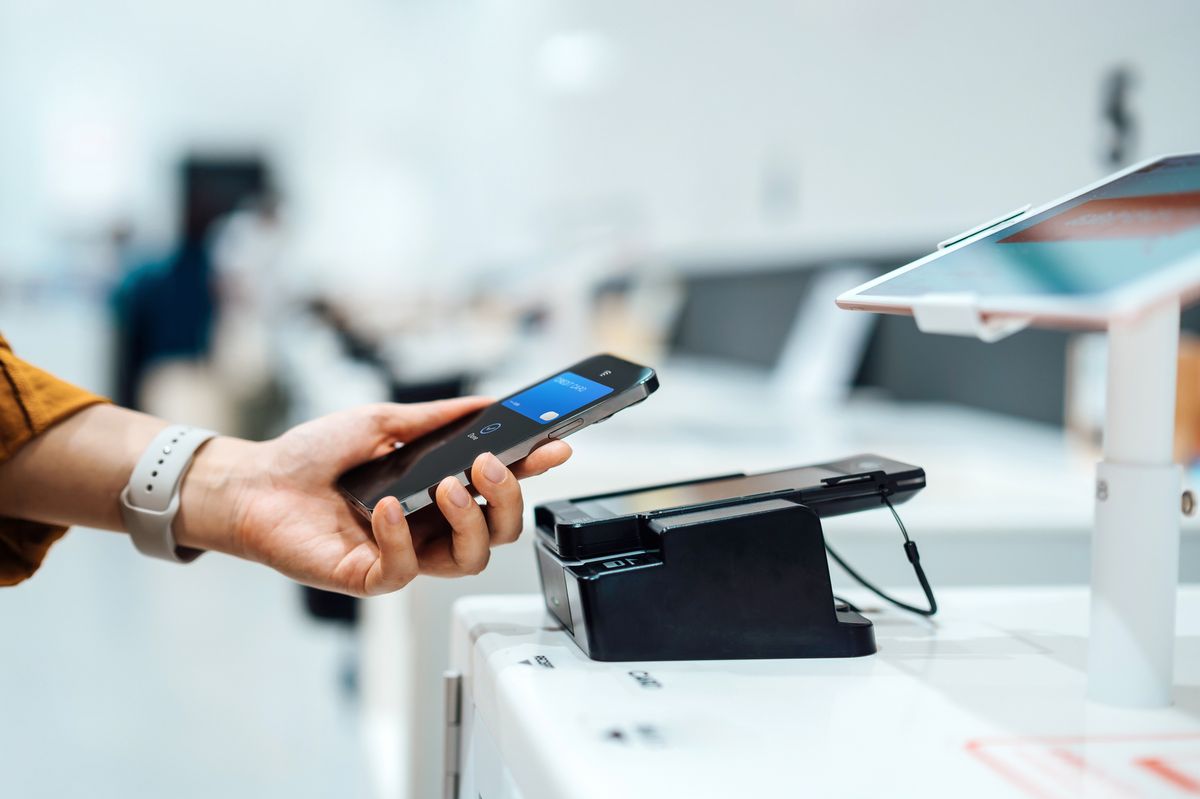
Changes to contactless payment systems are set to modernize how consumers transact, aligning traditional cards with the convenience of digital wallets. The new regulations aim to enhance security and user experience across both platforms.
The revisions, spearheaded by the Payment Card Industry (PCI), will take effect in October 2023. This initiative addresses the rapid growth of contactless transactions, particularly those made through smartphones and digital wallets. With contactless payments becoming increasingly prevalent, these updates will ensure that card payments reflect the same ease and security that users expect from mobile platforms.
Enhancing Security and User Experience
The updated standards will implement advanced encryption technology and biometric authentication, similar to those used by leading digital wallet providers such as Apple Pay and Google Pay. These enhancements aim to reduce fraud and increase consumer confidence in contactless payments.
According to a recent report from Visa, global contactless transactions have surged by over 50% in the past year alone. The financial services company noted that consumers are increasingly opting for contactless options due to their speed and convenience. As a result, the PCI has recognized the necessity of adapting traditional card transactions to keep pace with changing consumer behavior.
Impact on Merchants and Consumers
Merchants across various sectors will need to update their payment systems to comply with the new standards. This adjustment may require investment in new hardware and software, which could impact small businesses. However, experts suggest that the long-term benefits of increased consumer trust and faster transactions will outweigh the initial costs.
For consumers, these changes promise a more seamless transaction experience. With enhanced security features, users can enjoy the convenience of contactless cards without compromising their financial safety. The integration of biometric verification, such as fingerprint scanning, is expected to become a standard practice, making it more difficult for unauthorized individuals to use lost or stolen cards.
As digital payment methods continue to evolve, the alignment of card transactions with digital wallets represents a significant step forward in the payment landscape. The changes reflect a broader trend towards integrated payment solutions that prioritize user experience and security.
The PCI has emphasized its commitment to ensuring that all payment methods remain secure and efficient, stating, “Our goal is to protect consumers and empower merchants with the tools they need to thrive in a digital economy.” With these changes, the future of contactless payments appears to be bright, fostering a more connected and secure financial environment for everyone involved.

Tesco’s Chocolate Biscuit Selection Discount Sparks Shopping Frenzy

Bailey Reacts to Ex Rebecca’s Surprising New Relationship

Spice Trends Set to Transform Our Plates in 2026, Expert Predicts

The 40 Funniest Memes of 2023 That Had Us All Laughing

Putin Criticizes NATO Chief Rutte’s Claims of Russian Threat

Kangaroos Improve Energy Efficiency While Hopping Faster

Celtic Faces Crucial Match Against Aberdeen as Pressure Mounts on Nancy

New Contactless Payment Rules Align Cards with Digital Wallets

UKHSA Urges Vigilance as Flu Cases Stabilize Before Christmas

Iconic 90s TV Show House Hits Market for £1.1 Million

Milk Bank Urges Mothers to Donate for Premature Babies’ Health

Alessia Russo Signs Long-Term Deal with Arsenal Ahead of WSL Season

Shoppers Flock to Discounted Neck Pillow on Amazon for Travel Comfort

Museums Body Critiques EHRC Proposals on Gender Facilities

Trump Visits Europe: Business, Politics, or Leisure?

Japanese Teen Sorato Shimizu Breaks U18 100m Record in 10 Seconds

Couple Shares Inspiring Love Story Defying Height Stereotypes

Nathan Cleary’s Family Celebrates Engagement Amid Romance Rumors
-
 Entertainment3 months ago
Iconic 90s TV Show House Hits Market for £1.1 Million
-
 Lifestyle5 months ago
Milk Bank Urges Mothers to Donate for Premature Babies’ Health
-
 Sports4 months ago
Alessia Russo Signs Long-Term Deal with Arsenal Ahead of WSL Season
-
 Lifestyle5 months ago
Shoppers Flock to Discounted Neck Pillow on Amazon for Travel Comfort
-
 Politics5 months ago
Museums Body Critiques EHRC Proposals on Gender Facilities
-
 Business5 months ago
Trump Visits Europe: Business, Politics, or Leisure?
-
 Lifestyle5 months ago
Japanese Teen Sorato Shimizu Breaks U18 100m Record in 10 Seconds
-
 Politics5 months ago
Couple Shares Inspiring Love Story Defying Height Stereotypes
-
 Sports5 months ago
Nathan Cleary’s Family Celebrates Engagement Amid Romance Rumors
-

 World5 months ago
Anglian Water Raises Concerns Over Proposed AI Data Centre
-

 Sports5 months ago
Bournemouth Dominates Everton with 3-0 Victory in Premier League Summer Series
-

 World5 months ago
Wreckage of Missing Russian Passenger Plane Discovered in Flames