
Politics
Trump Calls for NATO Oil Ban to Pressure Russia in Ukraine Conflict

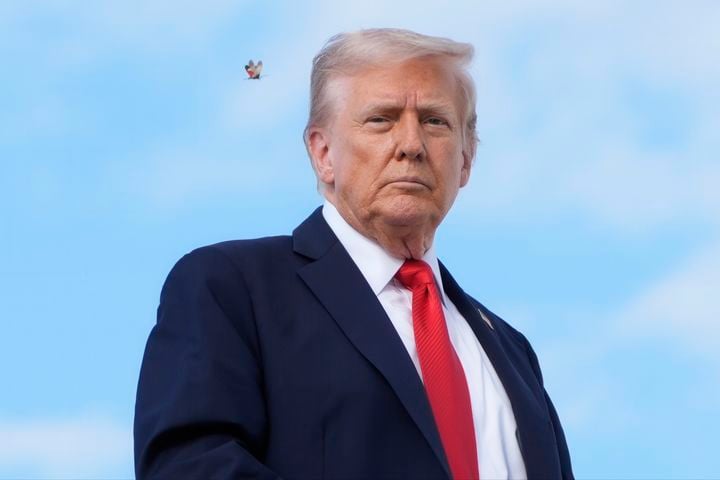
Former US President Donald Trump has stated that the ongoing conflict between Russia and Ukraine could be resolved if NATO countries ceased purchasing Russian oil. In a recent post on his social media platform, Trump criticized the alliance for its lack of unified support and urged member states to implement significant tariffs on Chinese imports of Russian petroleum.
Trump emphasized that NATO’s commitment to resolving the war has been “far less than 100%.” He described the continued purchase of Russian oil by certain NATO members as “shocking,” asserting that it undermines their negotiating leverage with Russia. He specifically called out Turkey, which is the third-largest buyer of Russian oil, following China and India, according to the Centre for Research on Energy and Clean Air.
Calls for Tariffs and Sanctions
The former president proposed that NATO countries impose tariffs ranging from 50% to 100% on Chinese imports of Russian oil. He claimed that such measures would not only weaken Russia’s position but also significantly aid in “ENDING this deadly, but RIDICULOUS, WAR.” Trump also suggested that these tariffs should be lifted once the conflict, initiated by Russia’s invasion of Ukraine in 2022, concludes.
In his statement, he pointed out that the responsibility for the war lies with current President Joe Biden and Ukrainian President Volodymyr Zelensky, notably excluding any mention of Russian President Vladimir Putin, who ordered the invasion. He criticized Biden for failing to adequately address the situation and highlighted that the United States has already imposed a 25% import tax on goods from India for its purchases of Russian energy products.
The timing of Trump’s comments coincides with heightened tensions following the recent incursion of multiple Russian drones into Polish airspace, an act described as provocative given that Poland is a NATO member. Polish forces successfully intercepted and shot down the drones, escalating concerns about potential military conflict in the region.
NATO’s Strategic Dilemmas
While Trump’s remarks draw attention to NATO’s complex relationship with Russia and its member states’ energy dependencies, they also reflect a broader discourse on the alliance’s strategy in addressing the war in Ukraine. Countries like Hungary and Slovakia have also faced scrutiny for their continued purchases of Russian oil.
Trump’s advocacy for a unified NATO stance against Russian energy is intended to strengthen the alliance’s bargaining position. He asserted that the current purchasing practices of some members greatly diminish their effectiveness in negotiations with Russia.
As Congress in the United States deliberates over further sanctions against Russia and support for Ukraine, Trump’s comments may influence discussions about energy policy and international cooperation among NATO members. The former president’s call for a more aggressive approach to sanctions and tariffs reflects ongoing debates about how best to respond to Russia’s actions in Ukraine and the international implications of energy dependence.

Cattle Showcases Thrive at RUAS Winter Fair 2023

UK and US Strike Zero Tariff Agreement on Pharmaceuticals

Maya Jama Stuns in Strapless Ensemble at Qatar Grand Prix

Russia and Saudi Arabia Launch Visa-Free Travel Agreement

ISOLDE Facility Marks 10 Years of Advancements in Nuclear Research

Voters Demand Resignation of Chancellor Rachel Reeves Over Tax Hikes

Shoppers Save 30% on Marks & Spencer’s Viral Velvet Dress

Health Campaigners Urge End to Smoking Exemption for Lounges

Charity Shop Surprise: Woman Finds Joggers Worth £2,000 for £8

Iconic 90s TV Show House Hits Market for £1.1 Million

Milk Bank Urges Mothers to Donate for Premature Babies’ Health

Alessia Russo Signs Long-Term Deal with Arsenal Ahead of WSL Season

Shoppers Flock to Discounted Neck Pillow on Amazon for Travel Comfort

Museums Body Critiques EHRC Proposals on Gender Facilities

Trump Visits Europe: Business, Politics, or Leisure?

Japanese Teen Sorato Shimizu Breaks U18 100m Record in 10 Seconds

Couple Shares Inspiring Love Story Defying Height Stereotypes

Anglian Water Raises Concerns Over Proposed AI Data Centre
-
 Entertainment2 months ago
Iconic 90s TV Show House Hits Market for £1.1 Million
-
 Lifestyle4 months ago
Milk Bank Urges Mothers to Donate for Premature Babies’ Health
-
 Sports3 months ago
Alessia Russo Signs Long-Term Deal with Arsenal Ahead of WSL Season
-
 Lifestyle4 months ago
Shoppers Flock to Discounted Neck Pillow on Amazon for Travel Comfort
-
 Politics4 months ago
Museums Body Critiques EHRC Proposals on Gender Facilities
-
 Business4 months ago
Trump Visits Europe: Business, Politics, or Leisure?
-
 Lifestyle4 months ago
Japanese Teen Sorato Shimizu Breaks U18 100m Record in 10 Seconds
-
 Politics4 months ago
Couple Shares Inspiring Love Story Defying Height Stereotypes
-
 World4 months ago
Anglian Water Raises Concerns Over Proposed AI Data Centre
-

 Sports4 months ago
Bournemouth Dominates Everton with 3-0 Victory in Premier League Summer Series
-

 World4 months ago
Wreckage of Missing Russian Passenger Plane Discovered in Flames
-

 Lifestyle4 months ago
Shoppers Rave About Roman’s £42 Midi Dress, Calling It ‘Elegant’