
Politics
Starmer’s Recognition of Palestine Sparks Debate on Action

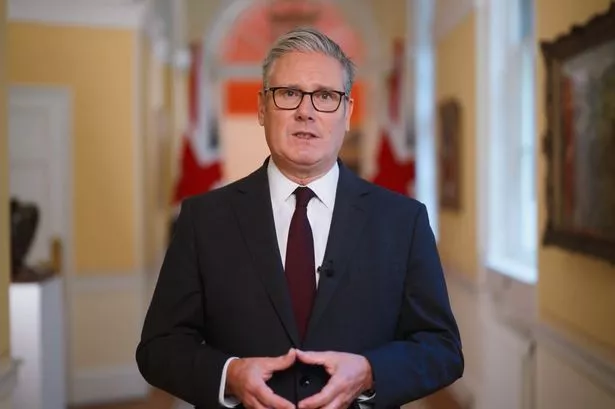
Keir Starmer, the leader of the UK Labour Party, has recently received credit for taking steps that previous Prime Ministers have avoided, particularly regarding the recognition of Palestine. This move has reignited discussions on Britain’s role in the ongoing Israeli-Palestinian conflict and the necessity for concrete actions to accompany diplomatic gestures.
Starmer’s recognition of Palestine is seen as a long-overdue acknowledgment that could reshape international relations. Yet, critics argue that without substantial pressure on the Israeli government, such gestures may remain largely symbolic. The current administration, led by Benjamin Netanyahu, is perceived as resistant to the establishment of a free Palestinian state. Netanyahu’s government has faced accusations of pursuing policies that may lead to the ethnic cleansing of Gaza and the colonization of the West Bank and East Jerusalem.
The situation remains tense, with the recent Israeli attempts to target Hamas negotiators in Qatar suggesting that a ceasefire is not imminent. This ongoing violence complicates the prospects for peace and raises questions about the effectiveness of mere diplomatic recognition without accompanying actions, such as halting arms sales to Israel and imposing economic sanctions.
Starmer’s initiative comes at a time when he is also navigating domestic challenges. The announcement of the Hillsborough Law, aimed at preventing public cover-ups, indicates a shift in his approach to governance, potentially improving his standing both domestically and internationally. Yet, the potential impact of this recognition on Labour’s fortunes in upcoming polls remains uncertain.
Despite the challenges, Starmer is noted for positioning himself on the right side of history. His recent engagements with international figures, including a controversial meeting with former President Donald Trump, have drawn mixed reactions. Observers have criticized the optics of Starmer’s interactions with Trump, especially given the latter’s history of controversial policies and rhetoric.
On the domestic front, the government is preparing for a tough budget in November amid rising public concern over issues such as immigration and economic stability. Recent reports indicate that net migration is decreasing, which may alleviate some public anxiety surrounding small boat crossings. This shift is seen as a potential advantage for Labour, which is attempting to appeal to disillusioned voters from both Labour and Conservative backgrounds.
In a separate but related development, the far-right figure Tommy Robinson, also known as Stephen Yaxley-Lennon, has resurfaced in the news. Robinson has a controversial background, with numerous convictions including assault and fraud. Recently, he expressed frustration over not being allowed entry into Colombia and Panama, highlighting the contradictions in his public stance against foreign criminals.
As the political landscape continues to evolve, the recognition of Palestine by the Labour Party poses complex questions about the future of UK foreign policy, its relationship with Israel, and the ongoing struggle for Palestinian statehood. The effectiveness of Starmer’s leadership and his government’s actions in both domestic and international arenas will be critical in shaping the upcoming electoral battle.

Cattle Showcases Thrive at RUAS Winter Fair 2023

UK and US Strike Zero Tariff Agreement on Pharmaceuticals

Maya Jama Stuns in Strapless Ensemble at Qatar Grand Prix

Russia and Saudi Arabia Launch Visa-Free Travel Agreement

ISOLDE Facility Marks 10 Years of Advancements in Nuclear Research

Voters Demand Resignation of Chancellor Rachel Reeves Over Tax Hikes

Shoppers Save 30% on Marks & Spencer’s Viral Velvet Dress

Health Campaigners Urge End to Smoking Exemption for Lounges

Charity Shop Surprise: Woman Finds Joggers Worth £2,000 for £8

Iconic 90s TV Show House Hits Market for £1.1 Million

Milk Bank Urges Mothers to Donate for Premature Babies’ Health

Alessia Russo Signs Long-Term Deal with Arsenal Ahead of WSL Season

Shoppers Flock to Discounted Neck Pillow on Amazon for Travel Comfort

Museums Body Critiques EHRC Proposals on Gender Facilities

Trump Visits Europe: Business, Politics, or Leisure?

Japanese Teen Sorato Shimizu Breaks U18 100m Record in 10 Seconds

Couple Shares Inspiring Love Story Defying Height Stereotypes

Anglian Water Raises Concerns Over Proposed AI Data Centre
-
 Entertainment2 months ago
Iconic 90s TV Show House Hits Market for £1.1 Million
-
 Lifestyle4 months ago
Milk Bank Urges Mothers to Donate for Premature Babies’ Health
-
 Sports3 months ago
Alessia Russo Signs Long-Term Deal with Arsenal Ahead of WSL Season
-
 Lifestyle4 months ago
Shoppers Flock to Discounted Neck Pillow on Amazon for Travel Comfort
-
 Politics4 months ago
Museums Body Critiques EHRC Proposals on Gender Facilities
-
 Business4 months ago
Trump Visits Europe: Business, Politics, or Leisure?
-
 Lifestyle4 months ago
Japanese Teen Sorato Shimizu Breaks U18 100m Record in 10 Seconds
-
 Politics4 months ago
Couple Shares Inspiring Love Story Defying Height Stereotypes
-
 World4 months ago
Anglian Water Raises Concerns Over Proposed AI Data Centre
-

 Sports4 months ago
Bournemouth Dominates Everton with 3-0 Victory in Premier League Summer Series
-

 World4 months ago
Wreckage of Missing Russian Passenger Plane Discovered in Flames
-

 Lifestyle4 months ago
Shoppers Rave About Roman’s £42 Midi Dress, Calling It ‘Elegant’