
World
UK Mandates Water-Saving Features in New Homes to Cut Costs

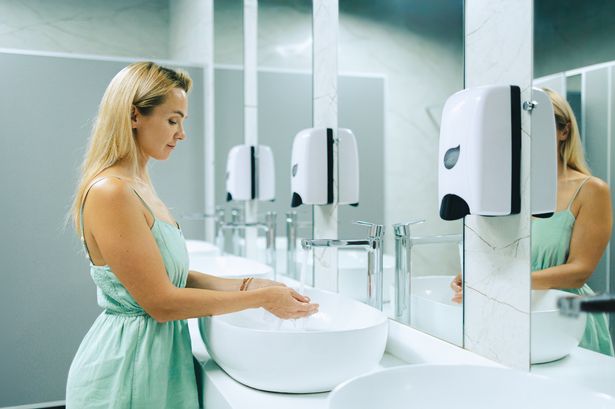
New regulations in the United Kingdom will require housebuilders to install water-saving features in new homes, including aerated taps and dual-flush toilets. The Department for Environment, Food and Rural Affairs (Defra) has launched a consultation aimed at enhancing water efficiency standards for new properties, which is expected to promote both housing development and water conservation.
The proposed regulations would mandate developers to integrate water-saving technologies. Aerated taps and showerheads will be integral, as they infuse air into the water stream, allowing for a stronger flow while significantly reducing water consumption. Dual-flush toilets will also be required, enabling users to select the appropriate amount of water based on their needs.
According to Defra, these changes are projected to save approximately 20 litres of water per person daily, translating to potential annual savings of £111 on energy and water bills for households. The government aims for these measures to facilitate its commitment to construct 1.5 million homes by March 2030, addressing both housing shortages and environmental concerns.
Addressing Water Scarcity and Infrastructure Challenges
Water shortages have hindered development, particularly in regions like Cambridge and north Sussex, where demand has outstripped supply. England’s water infrastructure is increasingly strained as climate change leads to unpredictable weather patterns, and an aging system suffers from years of underinvestment. This year alone, the UK has experienced seven consecutive months of below-average rainfall, with several areas facing drought conditions.
The government asserts that introducing water-efficient features in new homes will not only increase resilience against drought but also lessen the volume of water drawn from rivers, lakes, and delicate ecosystems. Drawing water from these natural environments can disrupt local wildlife and fish populations, particularly in areas already experiencing water stress.
Environment Secretary Emma Reynolds highlighted the importance of these measures: “We are getting Britain building faster, and a key element to growth is smarter water consumption. Removing the water shortage barriers that have stalled development for too long will mean unlocking thousands of new homes while saving families money. Not only will this make customer bills cheaper; it will protect the environment and unlock thousands of new homes as part of our Plan for Change.”
The 12-week consultation will review amendments to existing building regulations, which the government claims are currently inadequate in addressing the dual issues of housing provision and water preservation. Defra’s analysis indicates that cutting 20 litres of water consumption per person daily could enable the construction of an additional 1,000 new properties for every 5,250 homes built.
During this consultation, government officials will explore ways to strengthen requirements in water-scarce regions, potentially allowing for around 1,000 extra homes for every 10,000 developments.
Industry Perspectives on Water Efficiency
Defra aims to support the government’s target of reducing water consumption in England by 20% per person daily by 2038. Tom Dollard, chairman of the Good Homes Alliance, remarked on the challenges faced by the housing sector: “Our membership is facing real challenges in delivering new homes due to a lack of water capacity in their areas. If we are to meet the government housing delivery targets and unlock economic growth, then we must start building more ‘water smart’ homes and neighbourhoods.”
Similarly, Ed Lockhart, chief executive of Future Homes Hub, expressed concerns about the widening gap in water supply: “Water shortages are already constraining housing growth, and the water supply shortfall at national and regional levels will widen without concerted action. To sustain delivery of new homes at the levels required for everyone to have a decent home, homes need to become progressively more water efficient.”
As the consultation unfolds, the government will gather evidence and insights from industry stakeholders to help shape future policies that balance the urgent need for housing with the necessity of sustainable water management.

Cattle Showcases Thrive at RUAS Winter Fair 2023

UK and US Strike Zero Tariff Agreement on Pharmaceuticals

Maya Jama Stuns in Strapless Ensemble at Qatar Grand Prix

Russia and Saudi Arabia Launch Visa-Free Travel Agreement

ISOLDE Facility Marks 10 Years of Advancements in Nuclear Research

Voters Demand Resignation of Chancellor Rachel Reeves Over Tax Hikes

Shoppers Save 30% on Marks & Spencer’s Viral Velvet Dress

Health Campaigners Urge End to Smoking Exemption for Lounges

Charity Shop Surprise: Woman Finds Joggers Worth £2,000 for £8

Iconic 90s TV Show House Hits Market for £1.1 Million

Milk Bank Urges Mothers to Donate for Premature Babies’ Health

Alessia Russo Signs Long-Term Deal with Arsenal Ahead of WSL Season

Shoppers Flock to Discounted Neck Pillow on Amazon for Travel Comfort

Museums Body Critiques EHRC Proposals on Gender Facilities

Trump Visits Europe: Business, Politics, or Leisure?

Japanese Teen Sorato Shimizu Breaks U18 100m Record in 10 Seconds

Couple Shares Inspiring Love Story Defying Height Stereotypes

Anglian Water Raises Concerns Over Proposed AI Data Centre
-
 Entertainment2 months ago
Iconic 90s TV Show House Hits Market for £1.1 Million
-
 Lifestyle4 months ago
Milk Bank Urges Mothers to Donate for Premature Babies’ Health
-
 Sports3 months ago
Alessia Russo Signs Long-Term Deal with Arsenal Ahead of WSL Season
-
 Lifestyle4 months ago
Shoppers Flock to Discounted Neck Pillow on Amazon for Travel Comfort
-
 Politics4 months ago
Museums Body Critiques EHRC Proposals on Gender Facilities
-
 Business4 months ago
Trump Visits Europe: Business, Politics, or Leisure?
-
 Lifestyle4 months ago
Japanese Teen Sorato Shimizu Breaks U18 100m Record in 10 Seconds
-
 Politics4 months ago
Couple Shares Inspiring Love Story Defying Height Stereotypes
-
 World4 months ago
Anglian Water Raises Concerns Over Proposed AI Data Centre
-

 Sports4 months ago
Bournemouth Dominates Everton with 3-0 Victory in Premier League Summer Series
-

 World4 months ago
Wreckage of Missing Russian Passenger Plane Discovered in Flames
-

 Lifestyle4 months ago
Shoppers Rave About Roman’s £42 Midi Dress, Calling It ‘Elegant’