
Science
Next-Generation Sequencing Transforms Genetic Research Workflow

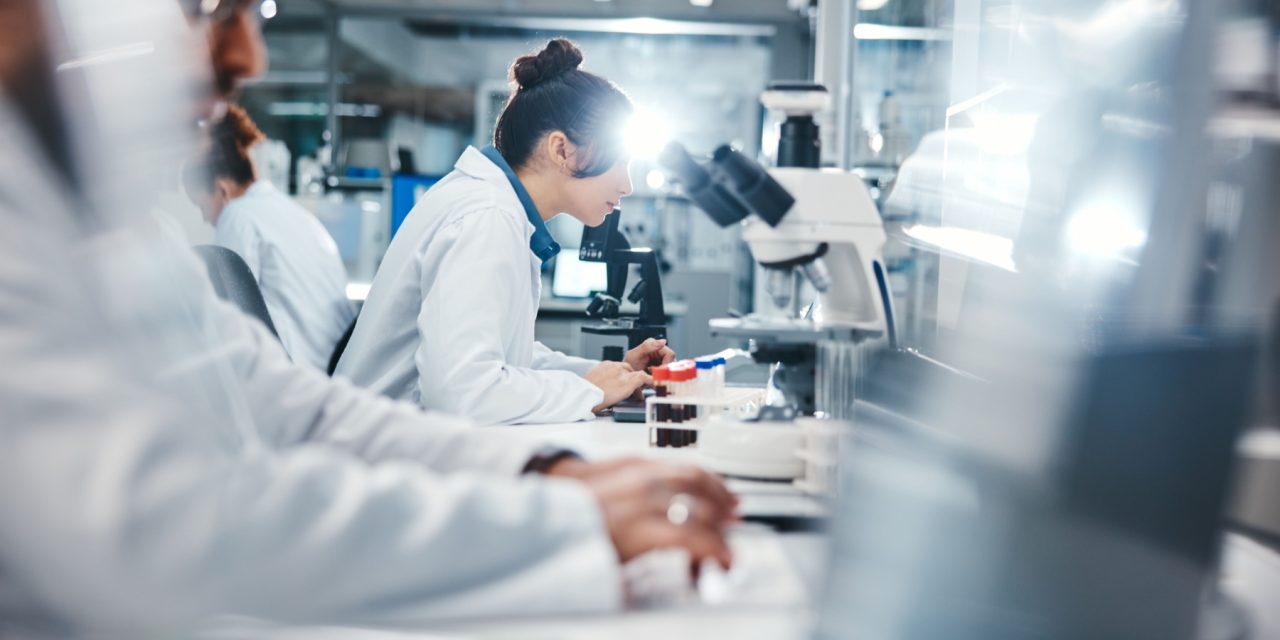
Next-generation sequencing (NGS) is revolutionizing genetic research by significantly enhancing the efficiency and accuracy of DNA analysis. The introduction of automated NGS library preparation has transformed the workflow in laboratories, enabling faster and more reliable sequencing processes. This advancement is crucial for researchers aiming to unlock new insights into genetics and improve patient outcomes.
The Importance of Preparation in Sequencing
Before sequencing can occur, DNA samples must undergo preparation, which involves creating libraries that feed into sequencing machines. Traditionally, this process required extensive manual labor, taking hours and leaving room for errors. A single mistake could compromise an entire batch, leading to wasted resources and increased costs.
Today, automated systems have streamlined this preparation stage. Robots now perform pipetting and sorting tasks with remarkable precision, resulting in consistent output and reduced frustration for scientists. As a result, researchers can dedicate their time and energy to analysis rather than preparation.
Enhancing Accuracy and Speed
Accurate research relies heavily on meticulous preparation. Errors in this initial stage can distort results, affecting the overall reliability of studies. Automated systems mitigate these risks by producing libraries with consistency across hundreds of samples simultaneously. This enhanced reliability allows laboratories worldwide to share findings with greater confidence.
Time efficiency is another significant benefit. Manual preparation could extend over several days, but automation has drastically reduced this duration. Processes that once took weeks can now be completed in just hours. This acceleration enables researchers to explore more hypotheses in less time, ultimately leading to quicker discoveries. In medical research, the time saved can translate into lives saved, underscoring the critical nature of rapid preparation.
Historically, NGS technology was largely accessible only to well-funded laboratories. The high costs of equipment and the extensive training required created barriers for smaller teams. However, automation is breaking down these obstacles. User-friendly systems empower startups, universities, and local hospitals to engage confidently in sequencing projects. This democratization of access is fostering innovation and broadening participation in genetic research.
Impact on Healthcare and Beyond
The implications for medicine are profound. Faster and more accurate preparation supports early diagnosis of genetic disorders, allowing healthcare providers to identify rare mutations and tailor treatments to individual patients. Public health teams benefit as well, enabling them to track viruses with enhanced speed and precision. Automated workflows ensure laboratories can maintain productivity even during high-demand periods, particularly during outbreaks.
Beyond healthcare, the applications of sequencing are far-reaching. In agriculture, farmers utilize NGS to develop crops resistant to drought and disease. Conservationists rely on sequencing to monitor endangered species, while forensic scientists use it to solve crimes. The reliability of automated library preparation is essential for advancing research across these diverse fields, moving it from conjecture to informed decision-making.
Looking ahead, the journey of automation in genetic research is just beginning. As systems become increasingly compact, faster, and more affordable, the integration of artificial intelligence may further enhance these processes by identifying potential issues before they impact results. The shift toward automation is critical, allowing scientists to focus on pressing questions rather than manual tasks.
In summary, genetic research has historically progressed in incremental steps; however, automation has catalyzed significant advancements. NGS library preparation is no longer a bottleneck hindering progress. With automated systems, laboratories of all sizes can access tools previously reserved for a select few, improving accuracy, saving time, and reducing costs. This technological shift is spreading innovation across healthcare, agriculture, and environmental conservation, ensuring that the future of genetic discovery is driven by efficient, data-supported processes.

Moyes Faces Referee Controversy Ahead of Everton vs Chelsea Clash

Man Hospitalised After Assault Outside Shop in Sandwell

Fred MacAulay and Ally McCoist Reunite for Special World Cup Show

NoOnes Targets $1 Trillion Gift Card Market to Enhance Crypto Access

Beloved Actor Matt Clark Passes Away at 89, Fans Mourn Loss

Discover How Milk Thistle Supplements Enhance Liver Health

Irish Community Care Celebrates 60 Years of Support in Liverpool

New Affordable Housing Development Planned for Crawley Site

Millions of Parking Tickets Issued Amid Calls for Reform

Claire Tomlinson Bids Farewell to Sky Sports After 27 Years

Iconic 90s TV Show House Hits Market for £1.1 Million

Nathan Cleary’s Family Celebrates Engagement Amid Romance Rumors

Tributes Flow for Kerry Gentle, Beloved RNLI Volunteer and Artist

Milk Bank Urges Mothers to Donate for Premature Babies’ Health

Shoppers Flock to Discounted Neck Pillow on Amazon for Travel Comfort

Alessia Russo Signs Long-Term Deal with Arsenal Ahead of WSL Season

Nuneaton Town FC Advances Plans for New Stadium in Stockingford

Exploring England’s Cathedrals: A Journey Through History and Architecture
-
 Lifestyle8 months ago
Claire Tomlinson Bids Farewell to Sky Sports After 27 Years
-
 Entertainment11 months ago
Iconic 90s TV Show House Hits Market for £1.1 Million
-
 Sports1 year ago
Nathan Cleary’s Family Celebrates Engagement Amid Romance Rumors
-
 Lifestyle8 months ago
Tributes Flow for Kerry Gentle, Beloved RNLI Volunteer and Artist
-
 Lifestyle1 year ago
Milk Bank Urges Mothers to Donate for Premature Babies’ Health
-
 Lifestyle1 year ago
Shoppers Flock to Discounted Neck Pillow on Amazon for Travel Comfort
-
 Sports12 months ago
Alessia Russo Signs Long-Term Deal with Arsenal Ahead of WSL Season
-
 Sports9 months ago
Nuneaton Town FC Advances Plans for New Stadium in Stockingford
-
 Lifestyle1 year ago
Exploring England’s Cathedrals: A Journey Through History and Architecture
-

 Politics1 year ago
Museums Body Critiques EHRC Proposals on Gender Facilities
-

 Business1 year ago
Trump Visits Europe: Business, Politics, or Leisure?
-

 Lifestyle1 year ago
Japanese Teen Sorato Shimizu Breaks U18 100m Record in 10 Seconds