
Politics
PSNI Report Exposes Surveillance of Journalists in Northern Ireland

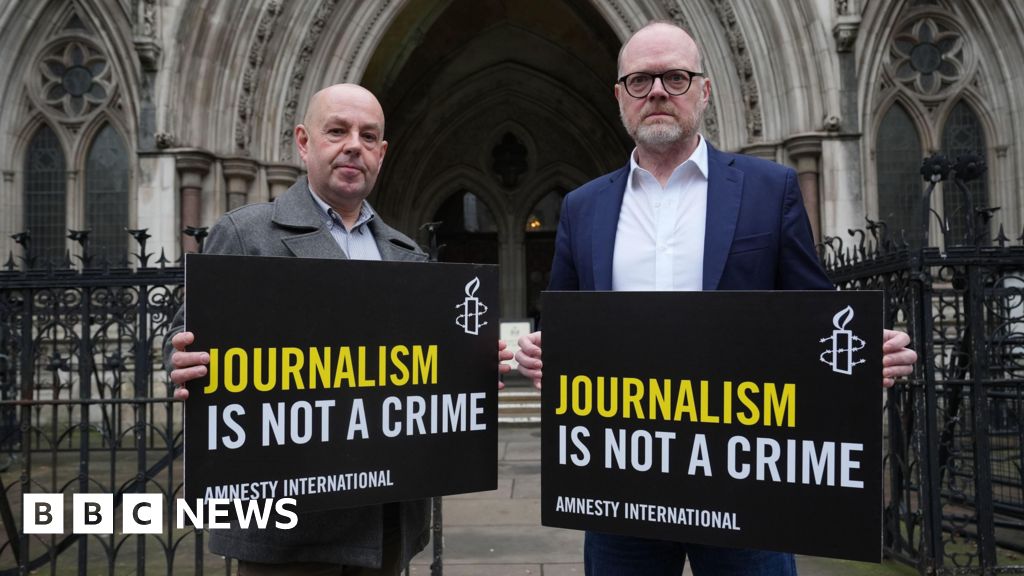
A report released today reveals extensive surveillance practices employed by the Police Service of Northern Ireland (PSNI) against journalists. The review, conducted by Angus McCullough KC, scrutinizes the use of phone surveillance between 2011 and 2024 and raises serious concerns regarding the police’s actions in tracking reporters’ telephone numbers.
The investigation was initiated following legal actions taken by two Belfast journalists, Barry McCaffrey and Trevor Birney, who were unlawfully spied upon in an attempt to uncover their sources. A court ruling last year confirmed the illegality of the PSNI’s actions against the journalists, prompting the need for an independent review. McCullough, a barrister based in London, has had unrestricted access to police records and received over 50 submissions from journalists and other stakeholders as part of his inquiry.
Extent of Surveillance and Findings
The PSNI acknowledged that it made more than 300 applications over a 13-year period to access the communications data of journalists, claiming that ten of these were aimed at tracing sources. However, the upcoming report is expected to reveal that the actual number of applications may be significantly higher than previously disclosed. McCullough’s findings encompass not only journalists but also potential surveillance measures used against lawyers and other professionals.
In June 2022, Chief Constable Jon Boutcher informed political parties and the Northern Ireland Policing Board about the review’s findings. The report is reported to span approximately 200 pages and includes a detailed analysis of how journalists’ phone numbers were utilized to monitor potential leaks of information within the police.
One of the critical concerns raised in McCullough’s report pertains to what has been labeled as “defensive operations.” These operations involved running journalists’ numbers through the PSNI’s communication system records to identify any unauthorized contacts with police officers or staff.
Context and Implications
The review does not cover cases currently under investigation by the Investigatory Powers Tribunal. It comes in the wake of troubling revelations, including an admission by MI5 that it illegally obtained communications data from the mobile phone of journalist Vincent Kearney while he worked at the BBC. Such instances highlight the ongoing debate regarding the balance between national security and press freedom.
The release of this report is expected to have significant implications for how law enforcement agencies in Northern Ireland handle communications data related to journalists and raises pressing questions about the protection of journalistic sources. Public and political scrutiny is likely to continue, as the findings shed light on the intersection of surveillance practices and freedom of the press in Northern Ireland.

Cattle Showcases Thrive at RUAS Winter Fair 2023

UK and US Strike Zero Tariff Agreement on Pharmaceuticals

Maya Jama Stuns in Strapless Ensemble at Qatar Grand Prix

Russia and Saudi Arabia Launch Visa-Free Travel Agreement

ISOLDE Facility Marks 10 Years of Advancements in Nuclear Research

Voters Demand Resignation of Chancellor Rachel Reeves Over Tax Hikes

Shoppers Save 30% on Marks & Spencer’s Viral Velvet Dress

Health Campaigners Urge End to Smoking Exemption for Lounges

Charity Shop Surprise: Woman Finds Joggers Worth £2,000 for £8

Iconic 90s TV Show House Hits Market for £1.1 Million

Milk Bank Urges Mothers to Donate for Premature Babies’ Health

Alessia Russo Signs Long-Term Deal with Arsenal Ahead of WSL Season

Shoppers Flock to Discounted Neck Pillow on Amazon for Travel Comfort

Museums Body Critiques EHRC Proposals on Gender Facilities

Trump Visits Europe: Business, Politics, or Leisure?

Japanese Teen Sorato Shimizu Breaks U18 100m Record in 10 Seconds

Couple Shares Inspiring Love Story Defying Height Stereotypes

Anglian Water Raises Concerns Over Proposed AI Data Centre
-
 Entertainment2 months ago
Iconic 90s TV Show House Hits Market for £1.1 Million
-
 Lifestyle4 months ago
Milk Bank Urges Mothers to Donate for Premature Babies’ Health
-
 Sports3 months ago
Alessia Russo Signs Long-Term Deal with Arsenal Ahead of WSL Season
-
 Lifestyle4 months ago
Shoppers Flock to Discounted Neck Pillow on Amazon for Travel Comfort
-
 Politics4 months ago
Museums Body Critiques EHRC Proposals on Gender Facilities
-
 Business4 months ago
Trump Visits Europe: Business, Politics, or Leisure?
-
 Lifestyle4 months ago
Japanese Teen Sorato Shimizu Breaks U18 100m Record in 10 Seconds
-
 Politics4 months ago
Couple Shares Inspiring Love Story Defying Height Stereotypes
-
 World4 months ago
Anglian Water Raises Concerns Over Proposed AI Data Centre
-

 Sports4 months ago
Bournemouth Dominates Everton with 3-0 Victory in Premier League Summer Series
-

 World4 months ago
Wreckage of Missing Russian Passenger Plane Discovered in Flames
-

 Lifestyle4 months ago
Shoppers Rave About Roman’s £42 Midi Dress, Calling It ‘Elegant’