
Science
NASA Launches Artemis II: Reviving Human Exploration of the Moon

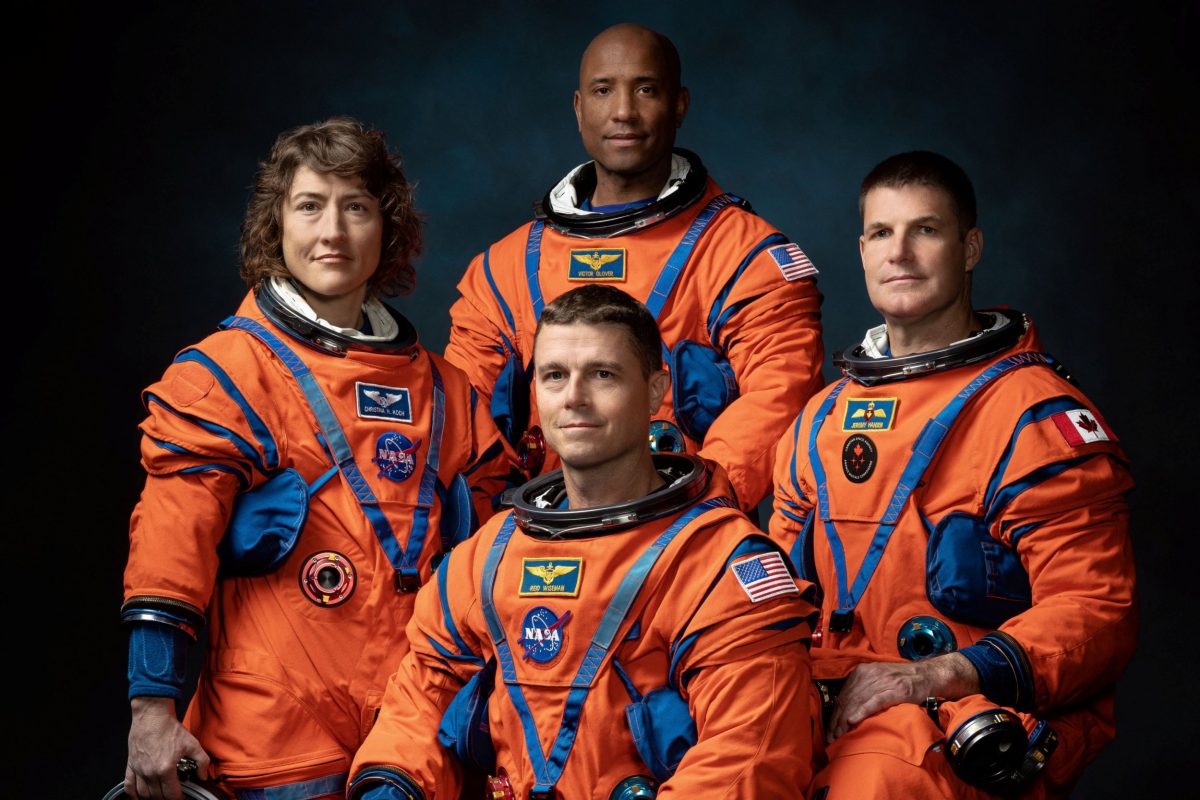
NASA is set to reignite human exploration of the Moon with the upcoming launch of the Artemis II mission. Scheduled for February 2024, this mission will mark the first crewed flight to lunar orbit in over 50 years. Although it will not land on the Moon, the flight is crucial for establishing a long-term lunar presence and serves as a precursor to future missions aimed at building a sustainable base.
Critics of the Artemis program argue that the ambitious goals could be achieved more economically through uncrewed missions. They suggest that robotic technology could conduct experiments and gather data at a fraction of the cost. Yet, advocates emphasize the potential transformative benefits of human involvement in space exploration. According to Dr. Sarah Casewell, an astronomer at the University of Leicester, the return of astronauts to the Moon is not only a thrilling prospect but also an inspirational opportunity for younger generations.
The history of lunar exploration is marked by a brief flurry of activity between 1969 and 1972, when six Apollo missions successfully landed twelve astronauts on the Moon. After achieving this monumental goal, the program gradually lost momentum. The intense competition with the Soviet Union that initially drove the space race diminished, and the high costs of missions made continued exploration less justifiable.
Following a series of setbacks and budgetary disputes, NASA’s lunar program struggled to regain its footing. The Artemis initiative, initially championed by former President Donald Trump and continued under President Joe Biden, now appears to have a more stable foundation. Trump has expressed a desire to see Americans return to the Moon before China and Russia establish their own lunar footholds, underscoring the role of national pride in this renewed effort.
China recently made significant strides in lunar exploration, including a historic landing on the far side of the Moon in 2019 and the successful return of lunar soil samples in 2022. Plans are also underway for a joint China-Russia lunar base, adding to the urgency of the Artemis program.
As for the timing of Artemis II, NASA recently indicated that the launch could be brought forward to February, a development viewed positively by stakeholders. Despite recent funding cuts, which saw NASA’s budget slashed by a quarter, the Artemis missions remain a priority, with resources redirected to support human exploration over other scientific projects.
The Artemis II mission will take astronauts further from Earth than any human has traveled before, reaching approximately 9,000 miles beyond the Moon. This mission will also be historic in nature, as it will carry both the first woman and the first person of color into lunar orbit. Dr. Casewell notes the importance of representation in space exploration, stating, “If this is to be inspirational, it’s important that all young people see people like them doing this.”
Following Artemis II, the next mission, Artemis III, is slated for 2027 and aims to land astronauts on the Moon for a week-long exploration. Subsequent missions, Artemis IV and V, will focus on establishing a permanent base near the lunar south pole, with plans for a nuclear-powered facility to support ongoing operations.
The establishment of a lunar base is not merely a matter of exploration; it is seen as a stepping stone for further ambitions, including human missions to Mars. The Artemis missions will also contribute valuable scientific insights, as astronauts will conduct experiments to understand how humans react to low gravity and cosmic radiation—knowledge essential for the longer journeys to Mars.
In addition to human factors, the missions will involve collecting soil and rock samples to advance our understanding of the Moon’s geology. While robotic missions have proven effective, experts like Professor Mahesh Anand from the Open University assert that humans can make on-the-spot decisions and collect samples in a more timely manner. “Humans go around and pick up samples that they find interesting. The speed at which you can do the work is more rapid than trying to use a rover,” he explains.
The exploration of the Moon is part of a larger quest to understand humanity’s place in the universe. Dr. Casewell highlights that this mission not only seeks answers to fundamental questions about life and existence but also fosters scientific and technological advancements that can benefit society in unexpected ways. Historical space missions have led to innovations in computing and navigation technologies, illustrating the broader impact of investment in space exploration.
The Artemis program is positioned not only as a revival of lunar exploration but as a catalyst for inspiration, creativity, and scientific inquiry. As humanity looks to the stars, the return to the Moon may ultimately serve as a crucial step toward a more expansive understanding of our universe.

Moyes Faces Referee Controversy Ahead of Everton vs Chelsea Clash

Man Hospitalised After Assault Outside Shop in Sandwell

Fred MacAulay and Ally McCoist Reunite for Special World Cup Show

NoOnes Targets $1 Trillion Gift Card Market to Enhance Crypto Access

Beloved Actor Matt Clark Passes Away at 89, Fans Mourn Loss

Discover How Milk Thistle Supplements Enhance Liver Health

Irish Community Care Celebrates 60 Years of Support in Liverpool

New Affordable Housing Development Planned for Crawley Site

Millions of Parking Tickets Issued Amid Calls for Reform

Claire Tomlinson Bids Farewell to Sky Sports After 27 Years

Iconic 90s TV Show House Hits Market for £1.1 Million

Nathan Cleary’s Family Celebrates Engagement Amid Romance Rumors

Tributes Flow for Kerry Gentle, Beloved RNLI Volunteer and Artist

Milk Bank Urges Mothers to Donate for Premature Babies’ Health

Shoppers Flock to Discounted Neck Pillow on Amazon for Travel Comfort

Alessia Russo Signs Long-Term Deal with Arsenal Ahead of WSL Season

Nuneaton Town FC Advances Plans for New Stadium in Stockingford

Exploring England’s Cathedrals: A Journey Through History and Architecture
-
 Lifestyle8 months ago
Claire Tomlinson Bids Farewell to Sky Sports After 27 Years
-
 Entertainment11 months ago
Iconic 90s TV Show House Hits Market for £1.1 Million
-
 Sports1 year ago
Nathan Cleary’s Family Celebrates Engagement Amid Romance Rumors
-
 Lifestyle8 months ago
Tributes Flow for Kerry Gentle, Beloved RNLI Volunteer and Artist
-
 Lifestyle1 year ago
Milk Bank Urges Mothers to Donate for Premature Babies’ Health
-
 Lifestyle1 year ago
Shoppers Flock to Discounted Neck Pillow on Amazon for Travel Comfort
-
 Sports12 months ago
Alessia Russo Signs Long-Term Deal with Arsenal Ahead of WSL Season
-
 Sports9 months ago
Nuneaton Town FC Advances Plans for New Stadium in Stockingford
-
 Lifestyle1 year ago
Exploring England’s Cathedrals: A Journey Through History and Architecture
-

 Politics1 year ago
Museums Body Critiques EHRC Proposals on Gender Facilities
-

 Business1 year ago
Trump Visits Europe: Business, Politics, or Leisure?
-

 Lifestyle1 year ago
Japanese Teen Sorato Shimizu Breaks U18 100m Record in 10 Seconds