
World
Ukraine’s Strikes on Oil Refineries Threaten Russia’s Economic Stability

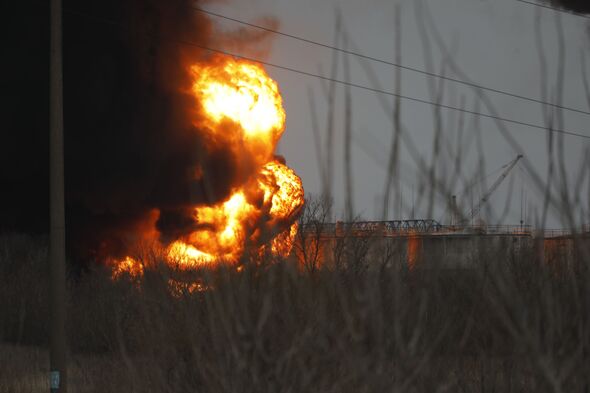
Russia faces significant economic challenges as systematic Ukrainian strikes on its oil refineries intensify, threatening to destabilize its energy sector. According to Maksim Kalashnikov, a prominent Russian propagandist, these attacks represent a deliberate effort by Ukraine to undermine Russia’s economy rather than an aim for total destruction. The impact of this strategy is evident, with a reported 17% disruption in Russia’s refining capacity.
In Crimea, the local regime, backed by President Vladimir Putin, has imposed restrictions on fuel sales, limiting purchases to 30 litres per person. This measure reflects the growing strain on ordinary citizens as fuel shortages become more pronounced. Kalashnikov warned in a recent video that the situation is deteriorating, stating, “The war is now waged… for its collapse,” indicating a critical juncture in the ongoing conflict.
Ukrainian forces have strategically targeted essential infrastructure, including the Druzhba pipeline and Blue Stream, using drones and long-range missiles like the ATACMS. These tactics aim to exploit vulnerabilities within Russia’s energy framework, pushing the nation toward a potential economic crisis. Kalashnikov noted, “Ukraine’s strategy… pushes the nation towards an unprecedented economic crisis,” underscoring the gravity of the situation.
In a separate video, Sergey Aksenov, head of the Kremlin-backed Republic of Crimea, attempted to reassure residents, stating, “The situation is under control and we are operating in manual mode.” He urged Crimeans to remain patient and avoid panic-buying to mitigate further disruptions. Aksenov emphasized that the current circumstances make it challenging to quickly rectify the situation.
Ukrainian attacks on Russian oil facilities have resulted in significant operational disruptions. Notable incidents include strikes on the Kirishi refinery, which produces 18 million metric tons of crude oil annually, as well as the Krasnodar and Syzran refineries in August 2025. These strikes have led to explosions and fires, prompting the Ukrainian military to report multiple incidents, with Russian officials acknowledging the interception of drones.
Data from Rosstat indicates that Russia’s oil refining capacity was approximately 5.5 million barrels per day in 2024. Following the Ukrainian strikes, disruptions have reduced this capacity by nearly one million barrels, exacerbating the already critical fuel crisis. Retail gasoline prices have surged by 15% in the European part of Russia, further complicating the economic landscape and fueling discussions on rationing.
The implications of these developments extend beyond Russia’s borders, affecting global oil markets and prompting renewed discussions about sanctions against the country. In 2024, Russia exported around 7.5 million barrels of oil daily; disruptions are now raising concerns about supply bottlenecks that could ripple through international markets.
Ukraine’s strategic targeting of Russian infrastructure indicates a shift toward asymmetric warfare, aiming to weaken Russia’s military capabilities by crippling its economic lifeline. This tactic not only serves to challenge Russia’s military efforts but also signals a broader approach to economic warfare that may have lasting consequences for the region. As the situation evolves, the potential for significant economic fallout remains a critical concern for both nations and their respective allies.

Cattle Showcases Thrive at RUAS Winter Fair 2023

UK and US Strike Zero Tariff Agreement on Pharmaceuticals

Maya Jama Stuns in Strapless Ensemble at Qatar Grand Prix

Russia and Saudi Arabia Launch Visa-Free Travel Agreement

ISOLDE Facility Marks 10 Years of Advancements in Nuclear Research

Voters Demand Resignation of Chancellor Rachel Reeves Over Tax Hikes

Shoppers Save 30% on Marks & Spencer’s Viral Velvet Dress

Health Campaigners Urge End to Smoking Exemption for Lounges

Charity Shop Surprise: Woman Finds Joggers Worth £2,000 for £8

Iconic 90s TV Show House Hits Market for £1.1 Million

Milk Bank Urges Mothers to Donate for Premature Babies’ Health

Alessia Russo Signs Long-Term Deal with Arsenal Ahead of WSL Season

Shoppers Flock to Discounted Neck Pillow on Amazon for Travel Comfort

Museums Body Critiques EHRC Proposals on Gender Facilities

Trump Visits Europe: Business, Politics, or Leisure?

Japanese Teen Sorato Shimizu Breaks U18 100m Record in 10 Seconds

Couple Shares Inspiring Love Story Defying Height Stereotypes

Anglian Water Raises Concerns Over Proposed AI Data Centre
-
 Entertainment2 months ago
Iconic 90s TV Show House Hits Market for £1.1 Million
-
 Lifestyle4 months ago
Milk Bank Urges Mothers to Donate for Premature Babies’ Health
-
 Sports3 months ago
Alessia Russo Signs Long-Term Deal with Arsenal Ahead of WSL Season
-
 Lifestyle4 months ago
Shoppers Flock to Discounted Neck Pillow on Amazon for Travel Comfort
-
 Politics4 months ago
Museums Body Critiques EHRC Proposals on Gender Facilities
-
 Business4 months ago
Trump Visits Europe: Business, Politics, or Leisure?
-
 Lifestyle4 months ago
Japanese Teen Sorato Shimizu Breaks U18 100m Record in 10 Seconds
-
 Politics4 months ago
Couple Shares Inspiring Love Story Defying Height Stereotypes
-
 World4 months ago
Anglian Water Raises Concerns Over Proposed AI Data Centre
-

 Sports4 months ago
Bournemouth Dominates Everton with 3-0 Victory in Premier League Summer Series
-

 World4 months ago
Wreckage of Missing Russian Passenger Plane Discovered in Flames
-

 Lifestyle4 months ago
Shoppers Rave About Roman’s £42 Midi Dress, Calling It ‘Elegant’