
Politics
Trump Faces Silence from Generals During Controversial Speech

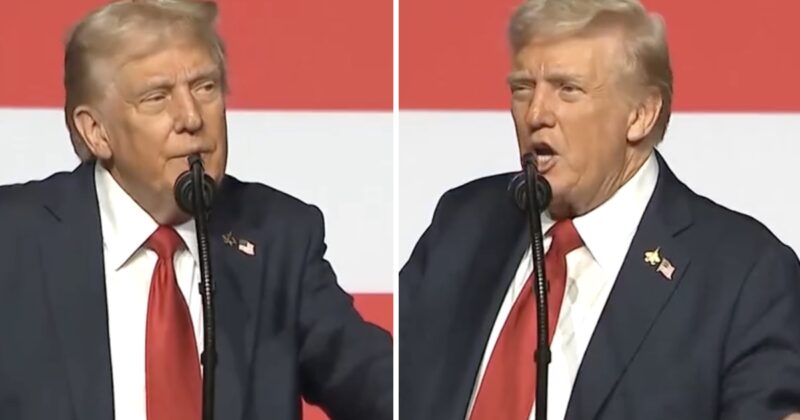
Former President Donald Trump experienced a notably quiet reception from senior military officials during a recent gathering in Virginia. On September 30, 2025, Trump, accompanied by Secretary of War Pete Hegseth, presented plans aimed at increasing the military presence in American cities. The meeting, intended to rally support for what Trump termed a strategy to combat “the enemy within,” became overshadowed by the silence of the assembled generals, which Trump found disconcerting.
Upon entering the room, Trump remarked, “I’ve never walked into a room so silent before. Just have a good time. And if you want to applaud, you applaud.” This statement drew attention not only for its content but for the context in which it was delivered. Observers noted that the generals’ silence was a reflection of their commitment to nonpartisanship and military decorum, rather than a lack of respect.
The reaction to Trump’s comments was swift and varied, with many expressing concern about the implications of the president’s tone and demands. According to former U.S. Army officer Alexander S. Vindman, the military’s refusal to applaud was a demonstration of their oath to the Constitution over any political allegiance. He emphasized that the armed forces are not tools for political purposes, stating, “They won’t obey your blatantly illegal orders to oppress Americans.”
Critics of Trump’s approach highlighted the potential consequences of his rhetoric on the military’s reputation. Commentator Matthew J. Foley suggested that the meeting signaled a troubling message to the international community, stating, “Our leaders just announced to the world that we have two clowns running our military.” This sentiment was echoed by others who lamented the perceived prioritization of political theater over military readiness.
Responses from the public and military analysts reflected a broader concern about the relationship between the civilian leadership and military command. Former military personnel noted that the silence displayed by the generals was a form of professionalism, and a necessary stance in an era where political pressures often clash with military ethics.
Many observers pointed out that military officers are expected to maintain a degree of nonpartisanship, a protocol that was clearly upheld during this encounter. The expectation for applause, especially for overtly political remarks, was seen as out of place and disrespectful to the military tradition.
As the event unfolded, social media became a platform for commentary on the unusual dynamics of the meeting. Tweets from various political commentators highlighted the serious implications of demanding applause from military leaders, branding it as inappropriate and indicative of a deeper issue within the current administration’s approach to governance.
In summary, the interaction between Trump and the military leaders in Virginia raises significant questions about the evolving relationship between political figures and military command. As discussions about the role of the military in domestic affairs continue, the responses from the generals serve as a reminder of their commitment to the Constitution and the ethical standards expected of military personnel.

Cattle Showcases Thrive at RUAS Winter Fair 2023

UK and US Strike Zero Tariff Agreement on Pharmaceuticals

Maya Jama Stuns in Strapless Ensemble at Qatar Grand Prix

Russia and Saudi Arabia Launch Visa-Free Travel Agreement

ISOLDE Facility Marks 10 Years of Advancements in Nuclear Research

Voters Demand Resignation of Chancellor Rachel Reeves Over Tax Hikes

Shoppers Save 30% on Marks & Spencer’s Viral Velvet Dress

Health Campaigners Urge End to Smoking Exemption for Lounges

Charity Shop Surprise: Woman Finds Joggers Worth £2,000 for £8

Iconic 90s TV Show House Hits Market for £1.1 Million

Milk Bank Urges Mothers to Donate for Premature Babies’ Health

Alessia Russo Signs Long-Term Deal with Arsenal Ahead of WSL Season

Shoppers Flock to Discounted Neck Pillow on Amazon for Travel Comfort

Museums Body Critiques EHRC Proposals on Gender Facilities

Trump Visits Europe: Business, Politics, or Leisure?

Japanese Teen Sorato Shimizu Breaks U18 100m Record in 10 Seconds

Couple Shares Inspiring Love Story Defying Height Stereotypes

Anglian Water Raises Concerns Over Proposed AI Data Centre
-
 Entertainment2 months ago
Iconic 90s TV Show House Hits Market for £1.1 Million
-
 Lifestyle4 months ago
Milk Bank Urges Mothers to Donate for Premature Babies’ Health
-
 Sports3 months ago
Alessia Russo Signs Long-Term Deal with Arsenal Ahead of WSL Season
-
 Lifestyle4 months ago
Shoppers Flock to Discounted Neck Pillow on Amazon for Travel Comfort
-
 Politics4 months ago
Museums Body Critiques EHRC Proposals on Gender Facilities
-
 Business4 months ago
Trump Visits Europe: Business, Politics, or Leisure?
-
 Lifestyle4 months ago
Japanese Teen Sorato Shimizu Breaks U18 100m Record in 10 Seconds
-
 Politics4 months ago
Couple Shares Inspiring Love Story Defying Height Stereotypes
-
 World4 months ago
Anglian Water Raises Concerns Over Proposed AI Data Centre
-

 Sports4 months ago
Bournemouth Dominates Everton with 3-0 Victory in Premier League Summer Series
-

 World4 months ago
Wreckage of Missing Russian Passenger Plane Discovered in Flames
-

 Lifestyle4 months ago
Shoppers Rave About Roman’s £42 Midi Dress, Calling It ‘Elegant’