
Politics
Western Sanctions Target Russia as Economy Faces Significant Strain

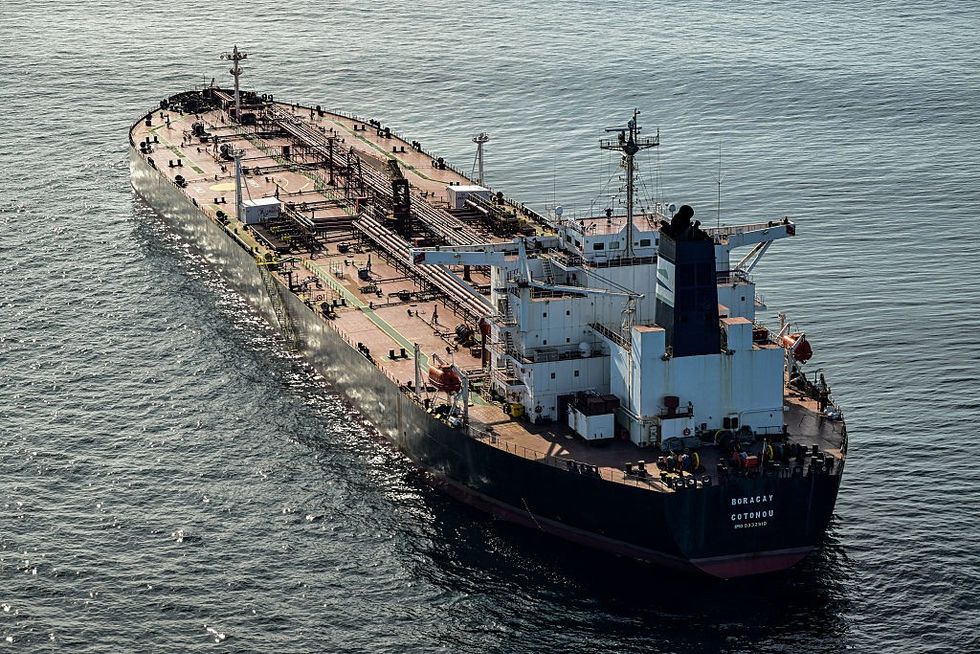
The impact of Western sanctions on Russia’s economy is becoming increasingly evident as the war in Ukraine continues. Following the invasion in February 2022, sanctions have significantly affected Russia’s oil revenues, economic growth, and military spending. Recent budget proposals indicate a remarkable shift, with military expenditures cut for the first time since the invasion and plans to raise the value-added tax to a staggering 22%.
According to various reports, Russia’s economic forecasts have been downgraded from 2.5% to 1% growth for the year. The National Welfare Fund, which serves as a financial buffer, has seen its liquid assets shrink by two-thirds since the onset of the conflict. These developments lend credence to claims made by former President Donald Trump, who stated that Russia is experiencing “big financial trouble.”
Despite these setbacks, Moscow has secured commitments from nations like India and China to continue purchasing Russian oil and other goods, indicating that sanctions have not entirely isolated Russia on the global stage. In fact, a September report noted that Russia’s “shadow fleet” of oil tankers has effectively circumvented sanctions.
The Kremlin, for its part, has dismissed the impact of sanctions, with spokesperson Dmitry Peskov asserting that they have been “absolutely useless” in altering Russia’s approach to Ukraine. This raises the question: Are the sanctions achieving their intended goals?
The Effectiveness of Sanctions
The sanctions imposed on Russia since the invasion are extensive, with the U.S. alone targeting over 6,000 individuals and companies linked to the conflict. The European Union has introduced 18 rounds of sanctions, with a 19th now proposed. These measures have focused primarily on Russia’s financial, military, and energy sectors.
Analysts like Thomas Graham from the Council on Foreign Relations have noted that while sanctions may not compel Russia to reverse its military actions, they have undoubtedly increased the costs of continuing the war. “The question is, what did you want sanctions to do?” Graham explained. “If the goal was to cause Russia to rethink what it’s doing in Ukraine, the short answer is no.”
Insights from the Kyiv School of Economics reveal that over 1,300 international companies have reduced operations in Russia, with approximately 500 exiting completely. This shift has resulted in a loss of around $109 billion in annual revenue.
Additionally, restrictions on Russian banks have hindered their access to global financial systems, leading to a significant withdrawal of foreign capital investment. “The investment community has outright abandoned Russian assets,” stated Daniel Tannebaum, a former U.S. Treasury official.
Challenges and Adaptations
Despite these challenges, Russia has shown resilience. The country has leaned heavily on alliances with nations like North Korea for military support and has found alternative markets for its oil, notably in Asia. The latest forecasts indicate that Russia’s oil revenues may reach $200 billion this year, despite the sanctions.
The Kremlin’s response to its economic predicament has included a pivot towards military spending, which has temporarily bolstered the economy. Reports indicate a growth rate of over 4% during the military-focused boom in 2023-2024. This has allowed the government to maintain public support and sustain its military efforts in Ukraine.
Furthermore, Russia has developed a “shadow fleet” comprising nearly 1,000 oil tankers, which bypass sanctions through complex transshipment methods. This fleet has been described as a “vital lifeline” for Russia by analysts from the Royal United Services Institute.
While Western sanctions have not achieved their primary objectives, they have undoubtedly imposed significant economic hardships. Experts suggest that more stringent measures, such as secondary sanctions on countries purchasing Russian oil and improved enforcement against the shadow fleet, could enhance the impact of existing sanctions.
The dilemma remains whether an outright collapse of the Russian economy would be beneficial for global stability. As Graham noted, “We want Russia to be weaker, but crippling the Russian economy has first- and second-order consequences that are actually quite negative from the standpoint of U.S. national interests.”
In conclusion, while sanctions have undeniably impacted Russia’s economic landscape, the interplay of global alliances and internal adaptations complicates the narrative. The effectiveness of these measures continues to be a subject of debate among policymakers and experts, highlighting the complexity of the geopolitical landscape surrounding the ongoing conflict in Ukraine.

Cattle Showcases Thrive at RUAS Winter Fair 2023

UK and US Strike Zero Tariff Agreement on Pharmaceuticals

Maya Jama Stuns in Strapless Ensemble at Qatar Grand Prix

Russia and Saudi Arabia Launch Visa-Free Travel Agreement

ISOLDE Facility Marks 10 Years of Advancements in Nuclear Research

Voters Demand Resignation of Chancellor Rachel Reeves Over Tax Hikes

Shoppers Save 30% on Marks & Spencer’s Viral Velvet Dress

Health Campaigners Urge End to Smoking Exemption for Lounges

Charity Shop Surprise: Woman Finds Joggers Worth £2,000 for £8

Iconic 90s TV Show House Hits Market for £1.1 Million

Milk Bank Urges Mothers to Donate for Premature Babies’ Health

Alessia Russo Signs Long-Term Deal with Arsenal Ahead of WSL Season

Shoppers Flock to Discounted Neck Pillow on Amazon for Travel Comfort

Museums Body Critiques EHRC Proposals on Gender Facilities

Trump Visits Europe: Business, Politics, or Leisure?

Japanese Teen Sorato Shimizu Breaks U18 100m Record in 10 Seconds

Couple Shares Inspiring Love Story Defying Height Stereotypes

Anglian Water Raises Concerns Over Proposed AI Data Centre
-
 Entertainment2 months ago
Iconic 90s TV Show House Hits Market for £1.1 Million
-
 Lifestyle4 months ago
Milk Bank Urges Mothers to Donate for Premature Babies’ Health
-
 Sports3 months ago
Alessia Russo Signs Long-Term Deal with Arsenal Ahead of WSL Season
-
 Lifestyle4 months ago
Shoppers Flock to Discounted Neck Pillow on Amazon for Travel Comfort
-
 Politics4 months ago
Museums Body Critiques EHRC Proposals on Gender Facilities
-
 Business4 months ago
Trump Visits Europe: Business, Politics, or Leisure?
-
 Lifestyle4 months ago
Japanese Teen Sorato Shimizu Breaks U18 100m Record in 10 Seconds
-
 Politics4 months ago
Couple Shares Inspiring Love Story Defying Height Stereotypes
-
 World4 months ago
Anglian Water Raises Concerns Over Proposed AI Data Centre
-

 Sports4 months ago
Bournemouth Dominates Everton with 3-0 Victory in Premier League Summer Series
-

 World4 months ago
Wreckage of Missing Russian Passenger Plane Discovered in Flames
-

 Lifestyle4 months ago
Shoppers Rave About Roman’s £42 Midi Dress, Calling It ‘Elegant’