
Science
NISAR Satellite Captures First Detailed Radar Images of Earth

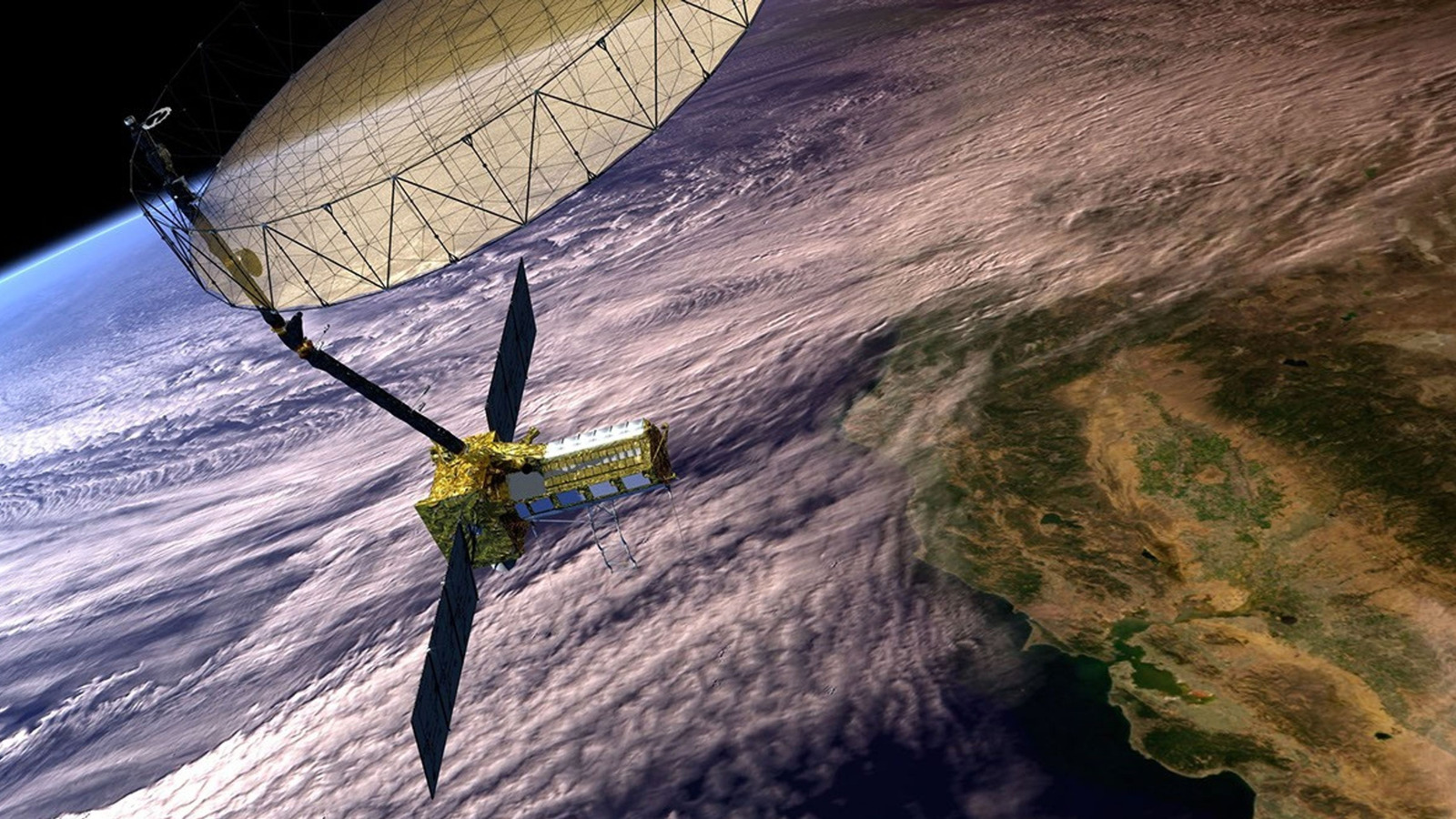
The NISAR satellite, a collaborative project between the United States and India, has successfully captured its first radar images of the Earth’s surface. Launched on July 30, 2023, the satellite’s initial images were taken on August 21, 2023, showcasing detailed views of areas in Maine and North Dakota. This milestone marks a significant advancement in satellite technology and represents the deepening partnership between NASA and the Indian Space Research Organization (ISRO).
The images provide unprecedented clarity, differentiating between various surfaces such as buildings, forests, and bodies of water. In Maine, the coastal images illustrate a remarkable level of detail, while the North Dakota images reveal distinctions among forested areas, wetlands, and agricultural fields. This capability is expected to enhance disaster prediction and management efforts, a critical need in the face of increasing natural disasters linked to climate change.
Advanced Radar Technology for Climate Insights
The NISAR satellite employs a sophisticated L-band synthetic aperture radar (SAR) system, which emits energy pulses that bounce off the Earth’s surface. This technology allows researchers to generate detailed images that traditional satellite photography cannot achieve. In addition to the L-band radar, NISAR is equipped with an S-band radar designed for capturing vegetation close to the ground.
Amit Kshatriya, Associate Administrator of NASA, highlighted the potential scientific advancements that NISAR’s images could bring. He stated, “By understanding how our home planet works, we can produce models and analysis of how other planets in our solar system and beyond work.” The implications for disaster preparedness are immediate, as NISAR will facilitate monitoring of natural events such as volcanic eruptions, earthquakes, and landslides, providing vital data for response planning.
The satellite’s ability to monitor changes down to a centimeter will be invaluable for flood mapping, assessing wildfires, tracking oil slicks, and studying glacial motion. NISAR is expected to continuously monitor the Earth, completing two full rotations every 12 days.
Decades of Collaboration and Future Prospects
NISAR is the culmination of over a decade of collaboration between the United States and India, initiated in September 2014. Both nations recognized the mutual benefits of synthetic aperture radar technology, especially given their diverse climates and agricultural needs. The project faced delays, originally scheduled for launch in 2024, but was postponed to address issues with the satellite’s antenna that could expose it to high temperatures.
The satellite finally launched from the Satish Dhawan Space Centre in Sriharikota, India, on the evening of July 30. With its first images now a testament to the mission’s success, NISAR is on a baseline mission set for three years, although it is anticipated that the collaboration will extend beyond this initial period.
NASA’s future plans also include a lunar mission, marking over 50 years since the last manned mission to the Moon. As NISAR continues to deliver critical data, it stands to play a crucial role in understanding and addressing the pressing challenges posed by climate change and natural disasters, paving the way for future advancements in space exploration and Earth science.

Cattle Showcases Thrive at RUAS Winter Fair 2023

UK and US Strike Zero Tariff Agreement on Pharmaceuticals

Maya Jama Stuns in Strapless Ensemble at Qatar Grand Prix

Russia and Saudi Arabia Launch Visa-Free Travel Agreement

ISOLDE Facility Marks 10 Years of Advancements in Nuclear Research

Voters Demand Resignation of Chancellor Rachel Reeves Over Tax Hikes

Shoppers Save 30% on Marks & Spencer’s Viral Velvet Dress

Health Campaigners Urge End to Smoking Exemption for Lounges

Charity Shop Surprise: Woman Finds Joggers Worth £2,000 for £8

Iconic 90s TV Show House Hits Market for £1.1 Million

Milk Bank Urges Mothers to Donate for Premature Babies’ Health

Alessia Russo Signs Long-Term Deal with Arsenal Ahead of WSL Season

Shoppers Flock to Discounted Neck Pillow on Amazon for Travel Comfort

Museums Body Critiques EHRC Proposals on Gender Facilities

Trump Visits Europe: Business, Politics, or Leisure?

Japanese Teen Sorato Shimizu Breaks U18 100m Record in 10 Seconds

Couple Shares Inspiring Love Story Defying Height Stereotypes

Anglian Water Raises Concerns Over Proposed AI Data Centre
-
 Entertainment2 months ago
Iconic 90s TV Show House Hits Market for £1.1 Million
-
 Lifestyle4 months ago
Milk Bank Urges Mothers to Donate for Premature Babies’ Health
-
 Sports3 months ago
Alessia Russo Signs Long-Term Deal with Arsenal Ahead of WSL Season
-
 Lifestyle4 months ago
Shoppers Flock to Discounted Neck Pillow on Amazon for Travel Comfort
-
 Politics4 months ago
Museums Body Critiques EHRC Proposals on Gender Facilities
-
 Business4 months ago
Trump Visits Europe: Business, Politics, or Leisure?
-
 Lifestyle4 months ago
Japanese Teen Sorato Shimizu Breaks U18 100m Record in 10 Seconds
-
 Politics4 months ago
Couple Shares Inspiring Love Story Defying Height Stereotypes
-
 World4 months ago
Anglian Water Raises Concerns Over Proposed AI Data Centre
-

 Sports4 months ago
Bournemouth Dominates Everton with 3-0 Victory in Premier League Summer Series
-

 World4 months ago
Wreckage of Missing Russian Passenger Plane Discovered in Flames
-

 Lifestyle4 months ago
Shoppers Rave About Roman’s £42 Midi Dress, Calling It ‘Elegant’