
Lifestyle
Keep Chickens Healthy: Essential Tips for Extreme Weather Care

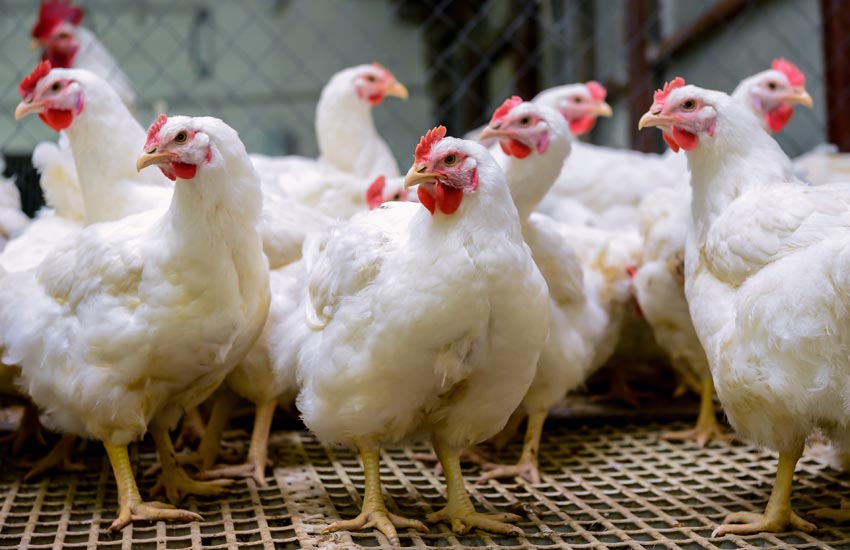
Backyard chickens are more than just a source of fresh eggs; they foster a sense of responsibility and connection within households. However, their well-being is significantly impacted by changing weather conditions. Recent trends indicate increasingly severe weather patterns, with extreme cold, heat, and storms posing challenges for chicken keepers. Protecting a flock during these fluctuations requires proactive measures, including modifications to their coop and daily care routines.
Preparing the Coop for Seasonal Changes
A well-structured coop is fundamental in ensuring chickens remain comfortable throughout the year. It must provide warmth without dampness and allow airflow without creating drafts. For added warmth during the winter months, materials like straw bales or rigid foam insulation are effective. Proper ventilation through roof vents is crucial as it helps remove moisture that could chill the roosts.
In summer, shade is essential. Installing shade cloth on sun-facing walls can significantly lower interior temperatures, alleviating stress during hot afternoons. Additionally, elevating the coop on treated blocks keeps the floors dry, while removable plywood panels can shield against cold winds, offering versatility as seasons change. Many poultry suppliers offer affordable materials and expert advice for necessary upgrades, helping keep coops practical and efficient.
Nutritional and Hydration Adjustments
As temperatures shift, so do the nutritional needs of chickens. In winter, hens expend extra energy to maintain body heat, making it vital to provide higher protein feeds, such as those containing 18–20% protein. Heated water bases are essential to prevent ice buildup, ensuring birds remain hydrated during freezing temperatures.
Conversely, summer presents its own challenges. Providing multiple shaded drinkers can help reduce stress and prevent overcrowding, while shallow pans offer opportunities for cooling sips. To combat algae growth, covering water containers and placing them in shaded areas is advisable. A practical guideline is to maintain one heated or shaded drinker for every ten birds, ensuring reliable hydration through both extreme cold and heat.
Seasonal health risks also need careful monitoring. Winter often brings frostbite, especially on sensitive areas like combs and wattles. Applying a thin layer of petroleum jelly before severe cold and ensuring dry, draft-free roosts can help protect these delicate tissues. Conversely, heat stress can manifest through heavy panting or lethargy in chickens. Providing shaded resting areas and observing flock behavior during peak temperatures can help mitigate these risks.
Maintaining egg production requires attention to daylight hours, which dictate laying cycles. Shorter days in winter can lead to a sharp drop in egg production. A low-watt light on a timer can help extend the hours of light, supporting consistent laying patterns without overwhelming the birds. In contrast, high temperatures can lead to decreased egg numbers as birds conserve energy. Fresh nesting material and daily egg collection can help maintain egg quality even in humid conditions.
Routine checks and maintenance are crucial for keeping flocks comfortable. Monitoring water supply, especially before dawn in winter and mid-afternoon in summer, can prevent slush or overheating. Observing the eagerness of the flock to drink can provide early indicators of temperature stress. Regularly refreshing bedding also helps combat moisture-related issues, particularly in humid conditions.
Overall, caring for chickens through seasonal extremes necessitates a thoughtful balance of preparation and consistent daily practices. A well-insulated and ventilated coop serves as a strong foundation. Nutritional adjustments and hydration strategies help birds adapt, while regular monitoring of health and behavior ensures resilience during unpredictable weather changes. By implementing these measures, chicken keepers can create an environment that promotes health and productivity, allowing their flocks to thrive year-round.

Marie Helvin Discusses Dating Challenges and Body Confidence at 73

Danny Morrison Reflects on United Ireland, Gerry Adams, and Stormont’s Future

Southampton University and Siemens Collaborate to Advance MEMS Technology

Barcelona’s Deco Highlights Rashford’s Burden at Manchester United

Rolls-Royce Shares Surge 77% in 2025: What’s Next for Investors?

Welsh Ambulance Service Targets Frequent 999 Callers for Support

Welsh Ambulance Service Targets Frequent 999 Callers for Better Care

Bremen’s Marble Imaging Secures €5.3M for Revolutionary Satellites

WNBA and Players Association Secure 40-Day Extension on CBA Talks

Iconic 90s TV Show House Hits Market for £1.1 Million

Milk Bank Urges Mothers to Donate for Premature Babies’ Health

Alessia Russo Signs Long-Term Deal with Arsenal Ahead of WSL Season

Shoppers Flock to Discounted Neck Pillow on Amazon for Travel Comfort

Museums Body Critiques EHRC Proposals on Gender Facilities

Trump Visits Europe: Business, Politics, or Leisure?

Japanese Teen Sorato Shimizu Breaks U18 100m Record in 10 Seconds

Couple Shares Inspiring Love Story Defying Height Stereotypes

Anglian Water Raises Concerns Over Proposed AI Data Centre
-
 Entertainment2 months ago
Iconic 90s TV Show House Hits Market for £1.1 Million
-
 Lifestyle4 months ago
Milk Bank Urges Mothers to Donate for Premature Babies’ Health
-
 Sports3 months ago
Alessia Russo Signs Long-Term Deal with Arsenal Ahead of WSL Season
-
 Lifestyle4 months ago
Shoppers Flock to Discounted Neck Pillow on Amazon for Travel Comfort
-
 Politics4 months ago
Museums Body Critiques EHRC Proposals on Gender Facilities
-
 Business4 months ago
Trump Visits Europe: Business, Politics, or Leisure?
-
 Lifestyle4 months ago
Japanese Teen Sorato Shimizu Breaks U18 100m Record in 10 Seconds
-
 Politics4 months ago
Couple Shares Inspiring Love Story Defying Height Stereotypes
-
 World4 months ago
Anglian Water Raises Concerns Over Proposed AI Data Centre
-

 Sports4 months ago
Bournemouth Dominates Everton with 3-0 Victory in Premier League Summer Series
-

 World4 months ago
Wreckage of Missing Russian Passenger Plane Discovered in Flames
-

 Lifestyle4 months ago
Shoppers Rave About Roman’s £42 Midi Dress, Calling It ‘Elegant’