
Politics
UK-China Relations Under Scrutiny After Spy Case Collapse

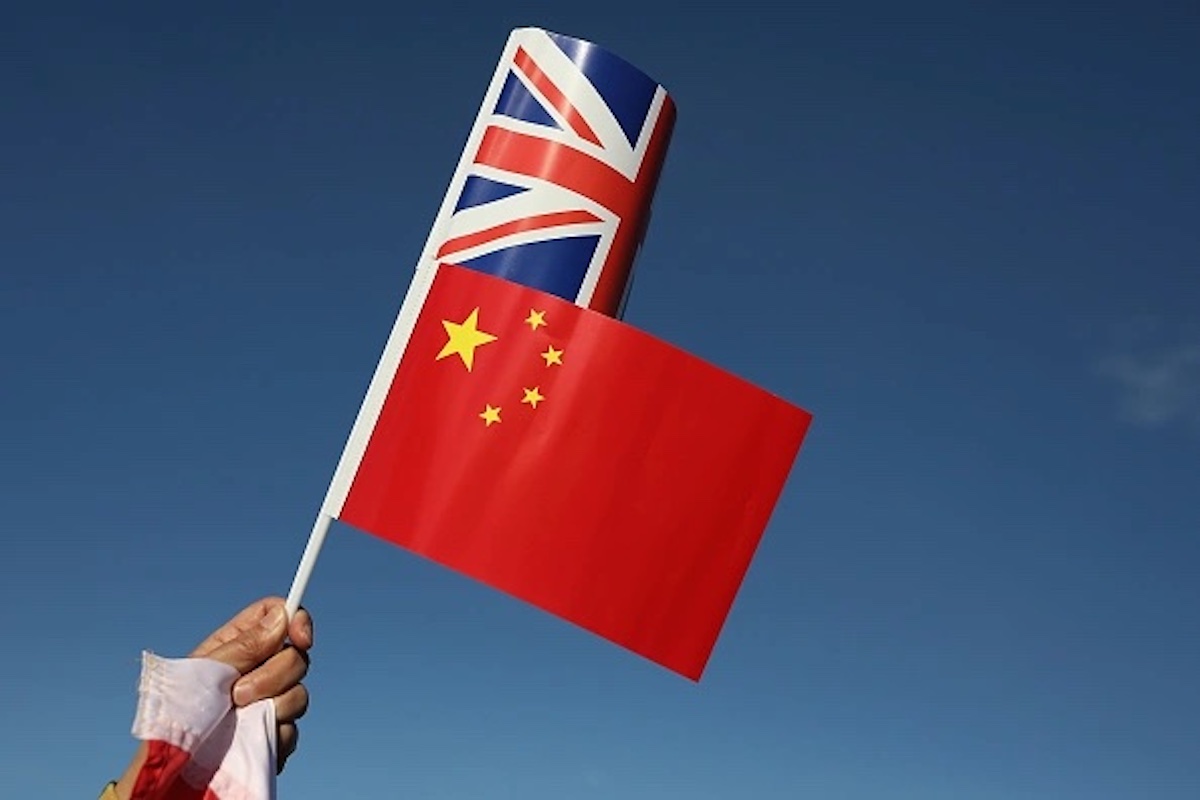
The recent collapse of a high-profile alleged Chinese spying case has illuminated deep divisions within the UK government regarding its approach to China. Over the years, the UK’s relationship with China has fluctuated, often swinging between periods of optimism and caution. While the “golden era” of UK-China relations was once celebrated by former leaders David Cameron and George Osborne, critics have long warned about the implications of engaging too closely with the world’s second-largest economy.
In 2015, Nick Timothy, who later served as Chief of Staff to Theresa May, cautioned that the government was “selling our national security to China.” This sentiment was echoed by the Intelligence and Security Committee, which raised alarms about the risks associated with deepening ties to Beijing. Despite these warnings, significant portions of Whitehall remain hesitant to adopt a confrontational stance, primarily due to China’s economic influence.
As the government navigates the fallout from the alleged spying incident, it has been suggested that there is a reluctance to challenge China. While ministers categorically deny any interference in the case’s demise, their support for China’s expansive new embassy in London highlights a complicated relationship. This move was made despite the advice of security officials who cautioned against it.
The British government has also faced criticism for the exclusion of China from new foreign influence regulations. These rules, which mandate that individuals in the UK acting on behalf of foreign powers declare their activities, currently only apply to Russia and Iran. Reports from The Guardian indicate that China threatened repercussions if it were included in these regulations.
In another instance, former Foreign Office Minister David Lammy reportedly advised against a Royal Navy freedom of navigation exercise through the Taiwan Strait due to concerns over a ministerial visit to China. Ultimately, the Ministry of Defence prevailed in this decision, yet it underscored the ongoing tension between different branches of the government regarding China.
While political leaders may shy away from confronting the implications of Chinese espionage, MI5, the UK’s domestic intelligence agency, has not held back. Its Director General has publicly warned of the “epic scale” of Chinese espionage activities within the UK. This stark warning stands in contrast to the apparent desire among some ministers and sectors of Whitehall to downplay or ignore these threats.
As the UK continues to grapple with its strategic stance towards China, the recent developments serve as a reminder of the complexities inherent in international relations. The balance between economic interests and national security remains a contentious issue, with the implications for UK foreign policy still unfolding. The government’s future approach to China will likely remain a focal point of debate as it seeks to navigate these challenging waters.

Cattle Showcases Thrive at RUAS Winter Fair 2023

UK and US Strike Zero Tariff Agreement on Pharmaceuticals

Maya Jama Stuns in Strapless Ensemble at Qatar Grand Prix

Russia and Saudi Arabia Launch Visa-Free Travel Agreement

ISOLDE Facility Marks 10 Years of Advancements in Nuclear Research

Voters Demand Resignation of Chancellor Rachel Reeves Over Tax Hikes

Shoppers Save 30% on Marks & Spencer’s Viral Velvet Dress

Health Campaigners Urge End to Smoking Exemption for Lounges

Charity Shop Surprise: Woman Finds Joggers Worth £2,000 for £8

Iconic 90s TV Show House Hits Market for £1.1 Million

Milk Bank Urges Mothers to Donate for Premature Babies’ Health

Alessia Russo Signs Long-Term Deal with Arsenal Ahead of WSL Season

Shoppers Flock to Discounted Neck Pillow on Amazon for Travel Comfort

Museums Body Critiques EHRC Proposals on Gender Facilities

Trump Visits Europe: Business, Politics, or Leisure?

Japanese Teen Sorato Shimizu Breaks U18 100m Record in 10 Seconds

Couple Shares Inspiring Love Story Defying Height Stereotypes

Anglian Water Raises Concerns Over Proposed AI Data Centre
-
 Entertainment2 months ago
Iconic 90s TV Show House Hits Market for £1.1 Million
-
 Lifestyle4 months ago
Milk Bank Urges Mothers to Donate for Premature Babies’ Health
-
 Sports3 months ago
Alessia Russo Signs Long-Term Deal with Arsenal Ahead of WSL Season
-
 Lifestyle4 months ago
Shoppers Flock to Discounted Neck Pillow on Amazon for Travel Comfort
-
 Politics4 months ago
Museums Body Critiques EHRC Proposals on Gender Facilities
-
 Business4 months ago
Trump Visits Europe: Business, Politics, or Leisure?
-
 Lifestyle4 months ago
Japanese Teen Sorato Shimizu Breaks U18 100m Record in 10 Seconds
-
 Politics4 months ago
Couple Shares Inspiring Love Story Defying Height Stereotypes
-
 World4 months ago
Anglian Water Raises Concerns Over Proposed AI Data Centre
-

 Sports4 months ago
Bournemouth Dominates Everton with 3-0 Victory in Premier League Summer Series
-

 World4 months ago
Wreckage of Missing Russian Passenger Plane Discovered in Flames
-

 Lifestyle4 months ago
Shoppers Rave About Roman’s £42 Midi Dress, Calling It ‘Elegant’