
Science
Consumers Face High Price Markups on Grocery Delivery Services

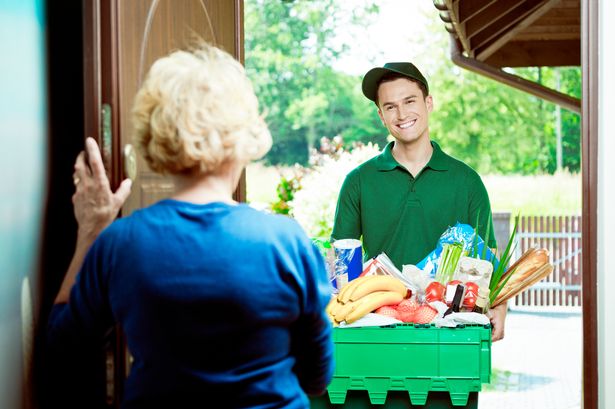
A recent study has revealed that consumers ordering groceries through delivery apps may face significant price markups, sometimes exceeding 100% for certain items. The consumer group Which? analyzed prices from major delivery platforms including Deliveroo, Just Eat, and Uber Eats, comparing them with prices at well-known supermarkets such as Sainsbury’s, Asda, Morrisons, and Waitrose.
The investigation focused on up to 50 popular grocery items and found that shoppers using these delivery services could be paying at least 20% more on average. For certain products, the price hike was even more dramatic. For example, Sainsbury’s customers who are members of the Nectar loyalty program could see price increases of as much as 45% when ordering through Uber Eats, compared to shopping in-store with their loyalty card.
Among the products highlighted, Birds Eye Cod Fish Fingers (280g) were priced at £3 for loyalty card holders but jumped to £6.25 through delivery apps. Similarly, Quorn Chicken Nuggets (300g) cost £1.75 with a Nectar card, while delivery prices reached £3.50. The research indicates that non-Nectar card holders faced smaller, yet still significant, price increases of around 25% on Uber Eats and 23% on Deliveroo.
Price Comparisons Across Supermarkets
The findings also revealed that customers shopping at Waitrose could pay up to 33% more via Uber Eats compared to purchasing directly from the store. The price differences were slightly less at Just Eat and Deliveroo, with increases of 30% and 25%, respectively. Notably, two items consistently marked up to double the in-store price were Pampers New Baby Nappies (40 pack) and Tilda Microwave Basmati Rice, which cost £12 and £2 through delivery apps compared to £6 and £1 in-store.
At Morrisons, shoppers found similar price hikes, with delivery through Uber Eats and Deliveroo averaging 28% more than in-store purchases. Just Eat recorded a 26% increase. Interestingly, on one occasion, Just Eat aligned its prices with Asda, resulting in a lower average price difference of 19%. However, prices through Deliveroo and Uber Eats remained substantially higher, averaging 31% and 28% more, respectively.
Members of the Tesco Clubcard also faced challenges, with an average markup of 25% when using the Whoosh delivery service compared to shopping directly at Tesco. Some offers available to Clubcard holders were not applicable through Whoosh, leading to increased prices for items like New York Bakery original bagels.
Consumer Reactions and Company Responses
Reena Sewraz, Retail Editor at Which?, commented on the findings, stating, “Shoppers won’t be surprised that buying groceries through a delivery app will cost more than popping to the shops or ordering directly from the supermarket. But our research shows that in some cases customers could be paying more than twice as much for specific items, so it’s worth considering how urgently you need those groceries before placing your order.”
In response to the findings, representatives from the supermarkets emphasized the value of their respective services. A Sainsbury’s spokesperson stated that customers have the flexibility to choose between in-store, online, or third-party app shopping, and that pricing is competitive across all platforms.
Similarly, Tesco defended their Whoosh service, stating, “The prices for groceries delivered by Whoosh reflect the extra costs of rapid delivery.” A spokesperson for Morrisons pointed out that some products listed in the study were on promotion at the time, suggesting that the data might not accurately represent typical price differences.
Delivery services also addressed the report. A representative from Uber Eats emphasized the range of inventory and deals available, asserting that every partner sets their own prices and that many products are marked down to match in-store prices. Deliveroo echoed this sentiment, highlighting ongoing promotions and efforts to integrate supermarket loyalty schemes.
As consumers increasingly turn to delivery services for convenience, the price discrepancies highlighted by the Which? report serve as a reminder for shoppers to weigh the benefits of immediate access against potential financial implications.

Moyes Faces Referee Controversy Ahead of Everton vs Chelsea Clash

Man Hospitalised After Assault Outside Shop in Sandwell

Fred MacAulay and Ally McCoist Reunite for Special World Cup Show

NoOnes Targets $1 Trillion Gift Card Market to Enhance Crypto Access

Beloved Actor Matt Clark Passes Away at 89, Fans Mourn Loss

Discover How Milk Thistle Supplements Enhance Liver Health

Irish Community Care Celebrates 60 Years of Support in Liverpool

New Affordable Housing Development Planned for Crawley Site

Millions of Parking Tickets Issued Amid Calls for Reform

Claire Tomlinson Bids Farewell to Sky Sports After 27 Years

Iconic 90s TV Show House Hits Market for £1.1 Million

Nathan Cleary’s Family Celebrates Engagement Amid Romance Rumors

Tributes Flow for Kerry Gentle, Beloved RNLI Volunteer and Artist

Milk Bank Urges Mothers to Donate for Premature Babies’ Health

Shoppers Flock to Discounted Neck Pillow on Amazon for Travel Comfort

Alessia Russo Signs Long-Term Deal with Arsenal Ahead of WSL Season

Nuneaton Town FC Advances Plans for New Stadium in Stockingford

Exploring England’s Cathedrals: A Journey Through History and Architecture
-
 Lifestyle8 months ago
Claire Tomlinson Bids Farewell to Sky Sports After 27 Years
-
 Entertainment11 months ago
Iconic 90s TV Show House Hits Market for £1.1 Million
-
 Sports1 year ago
Nathan Cleary’s Family Celebrates Engagement Amid Romance Rumors
-
 Lifestyle8 months ago
Tributes Flow for Kerry Gentle, Beloved RNLI Volunteer and Artist
-
 Lifestyle1 year ago
Milk Bank Urges Mothers to Donate for Premature Babies’ Health
-
 Lifestyle1 year ago
Shoppers Flock to Discounted Neck Pillow on Amazon for Travel Comfort
-
 Sports12 months ago
Alessia Russo Signs Long-Term Deal with Arsenal Ahead of WSL Season
-
 Sports9 months ago
Nuneaton Town FC Advances Plans for New Stadium in Stockingford
-
 Lifestyle1 year ago
Exploring England’s Cathedrals: A Journey Through History and Architecture
-

 Politics1 year ago
Museums Body Critiques EHRC Proposals on Gender Facilities
-

 Business1 year ago
Trump Visits Europe: Business, Politics, or Leisure?
-

 Lifestyle1 year ago
Japanese Teen Sorato Shimizu Breaks U18 100m Record in 10 Seconds