
Science
Kirin Explores Non-Invasive Urine Tests to Measure Immune Health

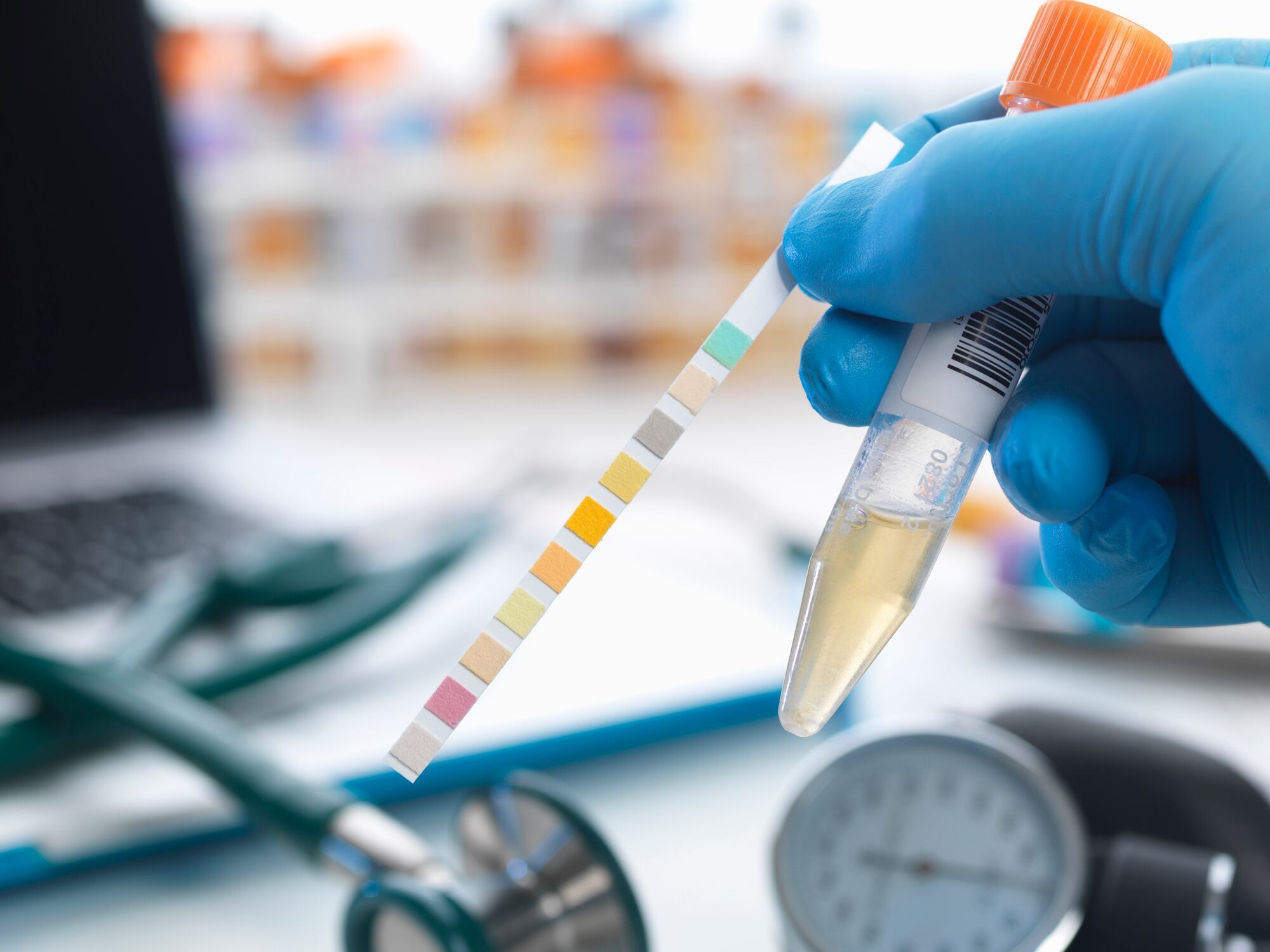
Kirin, a leading Japanese company, has unveiled promising research indicating the potential for a non-invasive method to measure plasmacytoid dendritic cell (pDC) activity and overall immune status through urine tests. Traditionally, assessing pDC activity involves invasive blood sampling and specialized equipment, making it both costly and time-consuming. The findings were discussed during the 21st Annual Meeting of the Japanese Association for Food Immunology (JAFI), held from October 2 to 3, 2023.
The research revealed that individuals exhibiting high pDC activity had significantly elevated levels of immune-related proteins, notably immunoglobulin A (IgA), in their urine samples. IgA is a crucial antibody found in blood and mucous membranes, playing a vital role in protecting the body against viruses and bacteria. In total, Kirin identified 115 proteins that are indicative of pDC activity, marking a significant advance in understanding immune health.
This study involved 223 Japanese participants aged between 51 and 55 years. Blood tests allowed researchers to categorize these individuals based on their pDC activity levels, identifying 40 individuals with both above and below median pDC activity. Subsequently, the research team measured over 7,000 urinary proteins from the urine samples of these participants. The analysis indicated marked differences in the levels of 115 types of urinary proteins between those with high and low pDC activity, specifically noting that individuals with elevated pDC activity had significantly higher IgA levels.
Kirin expressed optimism regarding the implications of these findings. “The findings of this study suggest the potential for developing a non-invasive method to evaluate immune activity via pDC activity. We will conduct further investigations to develop a simple service for visualizing immune status,” said a representative from the company.
Understanding pDC activity is crucial as these cells serve as the “commander-in-chief” of the immune system, activating various immune cells such as natural killer (NK) cells, T cells, and B cells. Kirin has been exploring various factors that affect pDC activity and has noted a significant correlation between pDC activity and frailty in older adults. According to previous interviews, frail elderly individuals exhibit a lower percentage of pDCs that produce interferon-alpha (IFN-α), a protein essential for regulating immune responses to viral infections.
Building on its research, Kirin has developed a series of health supplements and functional foods containing LC-plasma, a strain of Lactococcus lactis. This postbiotic is designed to support the immune system by activating pDCs. In 2020, LC-plasma became the first functional food ingredient recognized by Japan’s Consumer Affairs Agency (CAA) for making immune health claims.
The research on pDCs has also attracted interest from other Japanese companies, including Morinaga Milk, which reported that lactoferrin supplementation may help maintain pDC activity and support immune health. As the scientific community continues to investigate these links, developments in non-invasive testing for immune status could transform the way health professionals assess and monitor immune function in the future.

Voters Demand Resignation of Chancellor Rachel Reeves Over Tax Hikes

Shoppers Save 30% on Marks & Spencer’s Viral Velvet Dress

Health Campaigners Urge End to Smoking Exemption for Lounges

Charity Shop Surprise: Woman Finds Joggers Worth £2,000 for £8

Comet 3I/ATLAS Reveals Rare Metal Composition and Cryovolcanism

LaLiga Thrills: Key Highlights from Recent Fixtures Unveiled

Germany Intensifies Deportations of Afghan and Syrian Migrants

Shoppers Embrace Next’s £36 Knit as Trendy Christmas Alternative

Harbour Energy Announces 100 Job Cuts Amid Industry Challenges

Iconic 90s TV Show House Hits Market for £1.1 Million

Milk Bank Urges Mothers to Donate for Premature Babies’ Health

Alessia Russo Signs Long-Term Deal with Arsenal Ahead of WSL Season

Shoppers Flock to Discounted Neck Pillow on Amazon for Travel Comfort

Museums Body Critiques EHRC Proposals on Gender Facilities

Trump Visits Europe: Business, Politics, or Leisure?

Japanese Teen Sorato Shimizu Breaks U18 100m Record in 10 Seconds

Couple Shares Inspiring Love Story Defying Height Stereotypes

Anglian Water Raises Concerns Over Proposed AI Data Centre
-
 Entertainment2 months ago
Iconic 90s TV Show House Hits Market for £1.1 Million
-
 Lifestyle4 months ago
Milk Bank Urges Mothers to Donate for Premature Babies’ Health
-
 Sports3 months ago
Alessia Russo Signs Long-Term Deal with Arsenal Ahead of WSL Season
-
 Lifestyle4 months ago
Shoppers Flock to Discounted Neck Pillow on Amazon for Travel Comfort
-
 Politics4 months ago
Museums Body Critiques EHRC Proposals on Gender Facilities
-
 Business4 months ago
Trump Visits Europe: Business, Politics, or Leisure?
-
 Lifestyle4 months ago
Japanese Teen Sorato Shimizu Breaks U18 100m Record in 10 Seconds
-
 Politics4 months ago
Couple Shares Inspiring Love Story Defying Height Stereotypes
-
 World4 months ago
Anglian Water Raises Concerns Over Proposed AI Data Centre
-

 Sports4 months ago
Bournemouth Dominates Everton with 3-0 Victory in Premier League Summer Series
-

 World4 months ago
Wreckage of Missing Russian Passenger Plane Discovered in Flames
-

 Lifestyle4 months ago
Shoppers Rave About Roman’s £42 Midi Dress, Calling It ‘Elegant’