
Business
Keir Starmer Strengthens UK-India Ties with £350 Million Deal

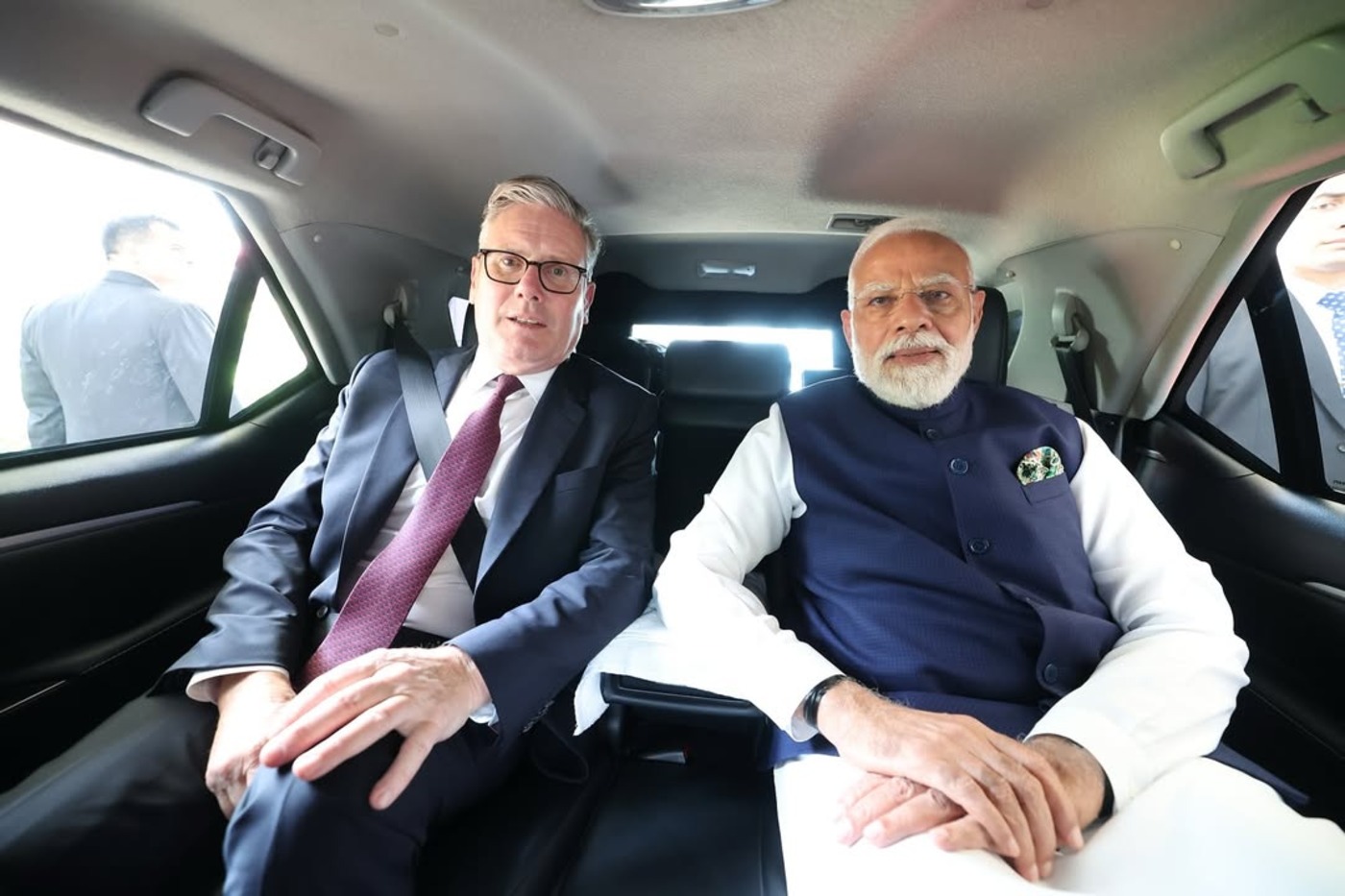
UK Prime Minister Keir Starmer recently visited Mumbai, marking a significant milestone in UK-India relations. This visit is underscored by a substantial £350 million defence contract and a landmark trade agreement, positioning India as a central partner in Britain’s international strategy. The trip aims to transform the perception of India from a distant trading partner into a pivotal ally.
During his visit, the UK and India formalized a contract where Britain will provide lightweight multirole missiles to the Indian armed forces. This agreement not only strengthens defence ties but also positions India as a key buyer within the British arms sector. Furthermore, the two nations agreed on a collaborative venture worth £250 million to develop electric propulsion systems for Indian warships. These initiatives are designed to enhance India’s military capabilities while offering financial benefits to the UK.
By focusing on defence hardware, Starmer appears to be shifting from traditional diplomacy towards a more assertive geopolitical stance. This approach reflects the UK’s commitment to acknowledging India’s rising status on the global stage and aligns with broader strategic interests.
Trade and Economic Collaboration
In addition to defence, Starmer’s visit highlighted the Comprehensive Economic and Trade Agreement (CETA), signed in July 2025. This pact aims to reduce tariffs and open various markets, affecting sectors such as whisky, textiles, and medical devices. Starmer’s delegation, consisting of 125 business leaders and industry experts, signifies a robust effort to secure further trade advancements.
Starmer noted the immediate impact of the trade deal, stating, “In the three months since we actually signed that [trade deal], we’ve seen a £6 billion boost in trade and investment.” According to Al Jazeera, Starmer’s office reported that 64 Indian companies pledged to invest £1.3 billion into the UK, although additional details were not provided.
The agreement is expected to unlock significant trade growth for India and includes initiatives such as establishing joint artificial intelligence and innovation centres, enhancing supply chains for critical minerals, and deepening technological links between the two countries. This multifaceted collaboration aims to solidify economic ties while boosting mutual interests.
Geopolitical Aspirations
Starmer’s diplomatic efforts extended beyond trade and technology. He advocated for India’s quest for a permanent seat on the UN Security Council during his bilateral meeting with Indian Prime Minister Narendra Modi. Starmer emphasized, “We sit together in the Commonwealth, the G20, and we want to see India taking its rightful place on the UN Security Council too.” This assertion aligns with the UK’s broader geopolitical ambitions and economic strategies, acknowledging India’s role as a major global player.
The UK-India partnership may significantly increase bilateral trade by £25.5 billion by 2040. However, the success of this ambitious plan will depend on continuous collaboration and effective implementation. As both nations navigate this new chapter, the outcome of their strategic engagement remains to be seen.

Cattle Showcases Thrive at RUAS Winter Fair 2023

UK and US Strike Zero Tariff Agreement on Pharmaceuticals

Maya Jama Stuns in Strapless Ensemble at Qatar Grand Prix

Russia and Saudi Arabia Launch Visa-Free Travel Agreement

ISOLDE Facility Marks 10 Years of Advancements in Nuclear Research

Voters Demand Resignation of Chancellor Rachel Reeves Over Tax Hikes

Shoppers Save 30% on Marks & Spencer’s Viral Velvet Dress

Health Campaigners Urge End to Smoking Exemption for Lounges

Charity Shop Surprise: Woman Finds Joggers Worth £2,000 for £8

Iconic 90s TV Show House Hits Market for £1.1 Million

Milk Bank Urges Mothers to Donate for Premature Babies’ Health

Alessia Russo Signs Long-Term Deal with Arsenal Ahead of WSL Season

Shoppers Flock to Discounted Neck Pillow on Amazon for Travel Comfort

Museums Body Critiques EHRC Proposals on Gender Facilities

Trump Visits Europe: Business, Politics, or Leisure?

Japanese Teen Sorato Shimizu Breaks U18 100m Record in 10 Seconds

Couple Shares Inspiring Love Story Defying Height Stereotypes

Anglian Water Raises Concerns Over Proposed AI Data Centre
-
 Entertainment2 months ago
Iconic 90s TV Show House Hits Market for £1.1 Million
-
 Lifestyle4 months ago
Milk Bank Urges Mothers to Donate for Premature Babies’ Health
-
 Sports3 months ago
Alessia Russo Signs Long-Term Deal with Arsenal Ahead of WSL Season
-
 Lifestyle4 months ago
Shoppers Flock to Discounted Neck Pillow on Amazon for Travel Comfort
-
 Politics4 months ago
Museums Body Critiques EHRC Proposals on Gender Facilities
-
 Business4 months ago
Trump Visits Europe: Business, Politics, or Leisure?
-
 Lifestyle4 months ago
Japanese Teen Sorato Shimizu Breaks U18 100m Record in 10 Seconds
-
 Politics4 months ago
Couple Shares Inspiring Love Story Defying Height Stereotypes
-
 World4 months ago
Anglian Water Raises Concerns Over Proposed AI Data Centre
-

 Sports4 months ago
Bournemouth Dominates Everton with 3-0 Victory in Premier League Summer Series
-

 World4 months ago
Wreckage of Missing Russian Passenger Plane Discovered in Flames
-

 Lifestyle4 months ago
Shoppers Rave About Roman’s £42 Midi Dress, Calling It ‘Elegant’