
Science
Study Links Increased Screen Time to Lower Academic Performance

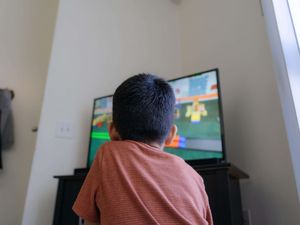
A recent study has found a connection between increased screen time and lower academic performance in reading and mathematics among primary school children. Conducted by researchers from The Hospital for Sick Children in Toronto, Canada, the study involved over 5,000 Canadian children, including 3,300 children aged nine and 2,000 aged twelve. The findings suggest that excessive screen exposure may hinder educational achievement.
Researchers gathered data through questionnaires sent to parents regarding their children’s screen time, including television viewing, digital media consumption, and video game usage. This information was analyzed alongside results from standardized tests in reading, writing, and mathematics. The results indicated that each additional hour of screen time corresponded to a 9% decrease in the likelihood of younger pupils achieving higher grades in reading and mathematics. For older students, the odds of attaining a higher grade in mathematics dropped by 10% for each additional hour spent on screens.
Examining the specifics, the data revealed that increased television viewing was associated with decreased achievement levels in both reading and mathematics for younger pupils, while older pupils showed similar trends in mathematics. Notably, video game use among younger students was linked to poorer reading outcomes.
In their published report in the journal Jama Network Open, the researchers stated, “High levels of early total screen time, and TV and digital media time, were associated with lower reading and maths achievement in elementary school.” They emphasized the need for developing targeted guidelines and interventions aimed at reducing screen time to enhance academic performance.
Despite these findings, some experts urge caution in interpreting the results. Chris Ferguson, a professor of psychology at Stetson University in Florida, expressed skepticism about the conclusions drawn from this study. He pointed out that numerous studies, including some of higher quality, have found no substantial evidence linking screen time to academic outcomes. “Put simply, this study provides little real evidence for a link between screen time and school performance in youth,” Ferguson noted.
As schools and parents grapple with the implications of screen time on children’s learning, the debate continues about the balance between digital exposure and academic achievement. The study highlights a growing concern among educators and health professionals regarding the long-term effects of technology on young learners.
In light of these findings, further research will be essential to develop comprehensive guidelines that address screen time while promoting healthy educational practices.

Cattle Showcases Thrive at RUAS Winter Fair 2023

UK and US Strike Zero Tariff Agreement on Pharmaceuticals

Maya Jama Stuns in Strapless Ensemble at Qatar Grand Prix

Russia and Saudi Arabia Launch Visa-Free Travel Agreement

ISOLDE Facility Marks 10 Years of Advancements in Nuclear Research

Voters Demand Resignation of Chancellor Rachel Reeves Over Tax Hikes

Shoppers Save 30% on Marks & Spencer’s Viral Velvet Dress

Health Campaigners Urge End to Smoking Exemption for Lounges

Charity Shop Surprise: Woman Finds Joggers Worth £2,000 for £8

Iconic 90s TV Show House Hits Market for £1.1 Million

Milk Bank Urges Mothers to Donate for Premature Babies’ Health

Alessia Russo Signs Long-Term Deal with Arsenal Ahead of WSL Season

Shoppers Flock to Discounted Neck Pillow on Amazon for Travel Comfort

Museums Body Critiques EHRC Proposals on Gender Facilities

Trump Visits Europe: Business, Politics, or Leisure?

Japanese Teen Sorato Shimizu Breaks U18 100m Record in 10 Seconds

Couple Shares Inspiring Love Story Defying Height Stereotypes

Anglian Water Raises Concerns Over Proposed AI Data Centre
-
 Entertainment2 months ago
Iconic 90s TV Show House Hits Market for £1.1 Million
-
 Lifestyle4 months ago
Milk Bank Urges Mothers to Donate for Premature Babies’ Health
-
 Sports3 months ago
Alessia Russo Signs Long-Term Deal with Arsenal Ahead of WSL Season
-
 Lifestyle4 months ago
Shoppers Flock to Discounted Neck Pillow on Amazon for Travel Comfort
-
 Politics4 months ago
Museums Body Critiques EHRC Proposals on Gender Facilities
-
 Business4 months ago
Trump Visits Europe: Business, Politics, or Leisure?
-
 Lifestyle4 months ago
Japanese Teen Sorato Shimizu Breaks U18 100m Record in 10 Seconds
-
 Politics4 months ago
Couple Shares Inspiring Love Story Defying Height Stereotypes
-
 World4 months ago
Anglian Water Raises Concerns Over Proposed AI Data Centre
-

 Sports4 months ago
Bournemouth Dominates Everton with 3-0 Victory in Premier League Summer Series
-

 World4 months ago
Wreckage of Missing Russian Passenger Plane Discovered in Flames
-

 Lifestyle4 months ago
Shoppers Rave About Roman’s £42 Midi Dress, Calling It ‘Elegant’