
Business
EU Launches New Digital Border System to Enhance Travel Efficiency

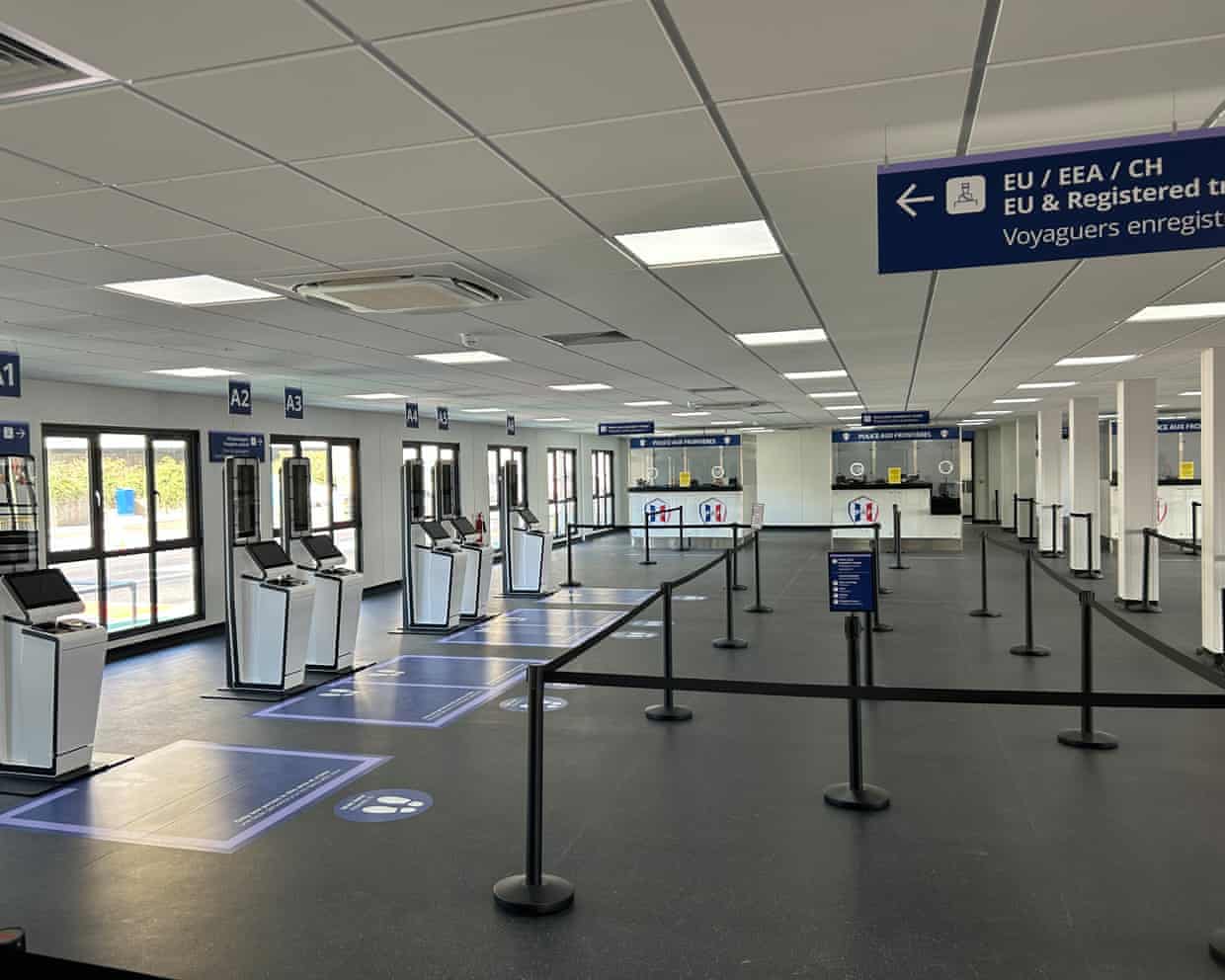
The European Union has introduced a new digital entry and exit system (EES) aimed at improving border security and efficiency for travelers entering the Schengen Area. Starting on October 1, 2023, most non-EU citizens will be required to register biometric information, including facial photographs and fingerprints, upon arrival. This initiative is part of a phased rollout, with full implementation expected by April 10, 2026.
What is the EES and How Does it Function?
The EES is designed to enhance border control without replacing traditional passport checks. Travelers will still interact with border officials, but their passports will no longer be stamped. Instead, the new system will log facial images, fingerprints, and entry and exit dates into a digital database. This change aims to streamline border crossings, making them faster and more efficient while also enabling better tracking of individuals entering and leaving the EU.
This system applies to the Schengen Area, which includes 25 of the 27 EU member states as well as Iceland, Liechtenstein, Norway, and Switzerland. Notably, the Republic of Ireland and Cyprus are exempt from this system and will continue processing passports as usual.
Upon arrival, travelers will use a self-service kiosk to input their name, passport details, fingerprints, and the date and place of entry. The system will capture a facial photograph, although children under 12 will not have their fingerprints scanned. The phased introduction of EES will initially affect coach and foot passengers at the port of Dover, with full application for all traffic set to commence by November 2023. Eurostar passengers will also experience these changes as registration terminals are implemented at St Pancras International in London.
Concerns and Data Privacy
There have been concerns regarding potential delays caused by the new processing requirements. However, the port of Dover has advised coach drivers to arrive no more than two hours before departure. Eurostar officials have indicated that the new processes can fit within the existing 75-minute check-in window. Yann Leriche, CEO of Eurotunnel, expressed confidence in the system’s efficiency, stating that lengthy queues are not anticipated. Border officials will have the discretion to suspend EES processing if wait times become excessive.
Regarding data privacy, information collected through the EES will be stored for a period of three years before being erased, although certain exceptions apply. The data can be accessed by border control, visa and immigration authorities, local police, and Europol. The EU has stated that data may be shared with countries outside the Schengen Area or international organizations under strict conditions. If travelers re-enter the Schengen Area within three years, the process should be expedited since their biometric data will already be on file. Travelers who refuse to comply with the biometric registration will be denied entry into the EU.
Overall, the EES marks a significant shift in how the EU manages its borders, prioritizing both security and efficiency as travel demands evolve.

Cattle Showcases Thrive at RUAS Winter Fair 2023

UK and US Strike Zero Tariff Agreement on Pharmaceuticals

Maya Jama Stuns in Strapless Ensemble at Qatar Grand Prix

Russia and Saudi Arabia Launch Visa-Free Travel Agreement

ISOLDE Facility Marks 10 Years of Advancements in Nuclear Research

Voters Demand Resignation of Chancellor Rachel Reeves Over Tax Hikes

Shoppers Save 30% on Marks & Spencer’s Viral Velvet Dress

Health Campaigners Urge End to Smoking Exemption for Lounges

Charity Shop Surprise: Woman Finds Joggers Worth £2,000 for £8

Iconic 90s TV Show House Hits Market for £1.1 Million

Milk Bank Urges Mothers to Donate for Premature Babies’ Health

Alessia Russo Signs Long-Term Deal with Arsenal Ahead of WSL Season

Shoppers Flock to Discounted Neck Pillow on Amazon for Travel Comfort

Museums Body Critiques EHRC Proposals on Gender Facilities

Trump Visits Europe: Business, Politics, or Leisure?

Japanese Teen Sorato Shimizu Breaks U18 100m Record in 10 Seconds

Couple Shares Inspiring Love Story Defying Height Stereotypes

Anglian Water Raises Concerns Over Proposed AI Data Centre
-
 Entertainment2 months ago
Iconic 90s TV Show House Hits Market for £1.1 Million
-
 Lifestyle4 months ago
Milk Bank Urges Mothers to Donate for Premature Babies’ Health
-
 Sports3 months ago
Alessia Russo Signs Long-Term Deal with Arsenal Ahead of WSL Season
-
 Lifestyle4 months ago
Shoppers Flock to Discounted Neck Pillow on Amazon for Travel Comfort
-
 Politics4 months ago
Museums Body Critiques EHRC Proposals on Gender Facilities
-
 Business4 months ago
Trump Visits Europe: Business, Politics, or Leisure?
-
 Lifestyle4 months ago
Japanese Teen Sorato Shimizu Breaks U18 100m Record in 10 Seconds
-
 Politics4 months ago
Couple Shares Inspiring Love Story Defying Height Stereotypes
-
 World4 months ago
Anglian Water Raises Concerns Over Proposed AI Data Centre
-

 Sports4 months ago
Bournemouth Dominates Everton with 3-0 Victory in Premier League Summer Series
-

 World4 months ago
Wreckage of Missing Russian Passenger Plane Discovered in Flames
-

 Lifestyle4 months ago
Shoppers Rave About Roman’s £42 Midi Dress, Calling It ‘Elegant’