
Business
Hybrid Events: A Sustainable Solution for the Future of Meetings

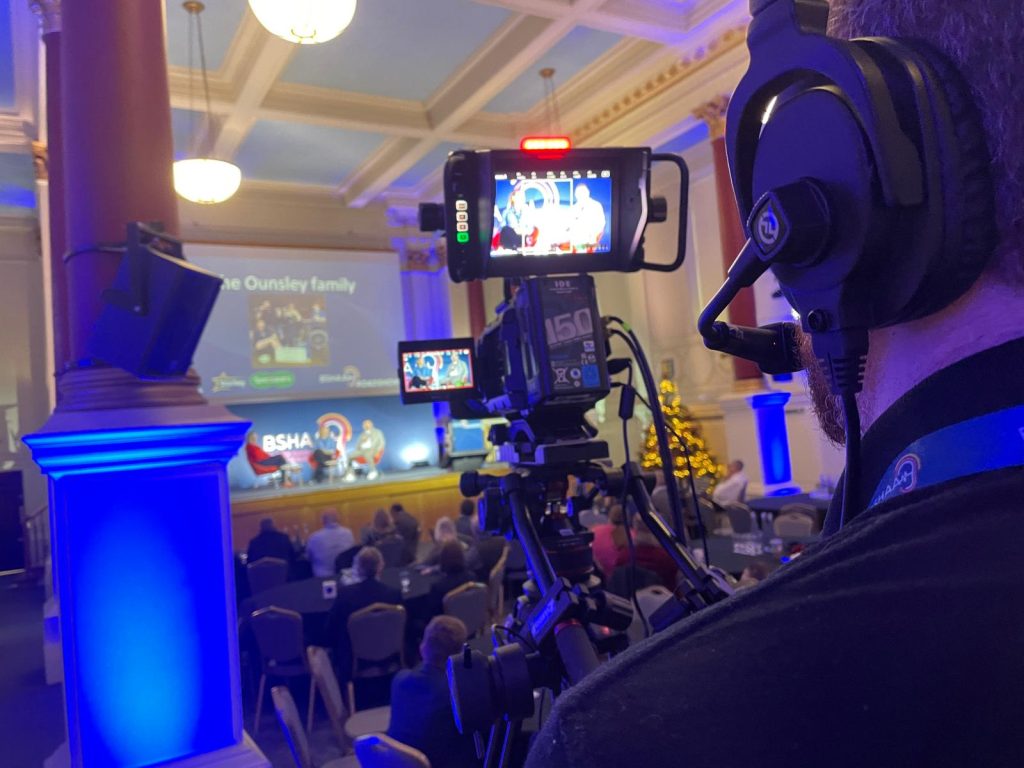
Sustainability is increasingly shaping the events industry, as organisations strive to reduce their environmental impact. From the adoption of reusable name badges to implementing carbon-offset travel schemes, stakeholders are recognising that every choice carries ecological implications. Among the various strategies available, hybrid events are emerging as a highly effective solution for lowering emissions while enhancing accessibility for participants.
The Rise of Hybrid Events
Hybrid events combine in-person and virtual elements, allowing attendees to participate remotely. This format not only broadens reach but also significantly reduces the carbon footprint associated with traditional events. According to a report from the International Association of Exhibitions and Events (IAEE), hybrid events can decrease overall travel-related emissions by as much as 60%. This substantial reduction highlights the potential of hybrid formats in meeting sustainability goals.
As hybrid events grow in popularity, they are proving to be a game changer for the industry. Organisers are now able to cater to diverse audiences while minimising the environmental consequences that often accompany large gatherings. By embracing technology, venues and suppliers can provide a seamless experience for both in-person and virtual participants.
Accessibility and Inclusivity
One of the key advantages of hybrid events is their ability to enhance accessibility. Individuals who may face barriers to attending in-person events, such as those with disabilities or geographical constraints, can still engage meaningfully. This opens the door for a wider range of voices and perspectives, enriching discussions and fostering inclusivity.
The events industry is already adapting to these needs. For instance, venues are investing in technology that supports hybrid formats, ensuring high-quality audio and visual experiences for both physical and remote attendees. These advancements not only improve participant engagement but also align with broader sustainability goals.
The shift towards hybrid events is not merely a trend but a necessary evolution in how events are conceived and executed. As the industry continues to innovate, the focus on sustainability and accessibility will likely remain at the forefront of planning efforts.
In conclusion, hybrid events present a unique opportunity for the events industry to align its practices with sustainability efforts. By prioritising both environmental responsibility and inclusivity, organisers, venues, and suppliers can play a pivotal role in shaping a more sustainable future for events. As we move forward, the lessons learned from these hybrid formats will be essential in guiding the industry’s response to ongoing environmental challenges.

Cattle Showcases Thrive at RUAS Winter Fair 2023

UK and US Strike Zero Tariff Agreement on Pharmaceuticals

Maya Jama Stuns in Strapless Ensemble at Qatar Grand Prix

Russia and Saudi Arabia Launch Visa-Free Travel Agreement

ISOLDE Facility Marks 10 Years of Advancements in Nuclear Research

Voters Demand Resignation of Chancellor Rachel Reeves Over Tax Hikes

Shoppers Save 30% on Marks & Spencer’s Viral Velvet Dress

Health Campaigners Urge End to Smoking Exemption for Lounges

Charity Shop Surprise: Woman Finds Joggers Worth £2,000 for £8

Iconic 90s TV Show House Hits Market for £1.1 Million

Milk Bank Urges Mothers to Donate for Premature Babies’ Health

Alessia Russo Signs Long-Term Deal with Arsenal Ahead of WSL Season

Shoppers Flock to Discounted Neck Pillow on Amazon for Travel Comfort

Museums Body Critiques EHRC Proposals on Gender Facilities

Trump Visits Europe: Business, Politics, or Leisure?

Japanese Teen Sorato Shimizu Breaks U18 100m Record in 10 Seconds

Couple Shares Inspiring Love Story Defying Height Stereotypes

Anglian Water Raises Concerns Over Proposed AI Data Centre
-
 Entertainment2 months ago
Iconic 90s TV Show House Hits Market for £1.1 Million
-
 Lifestyle4 months ago
Milk Bank Urges Mothers to Donate for Premature Babies’ Health
-
 Sports3 months ago
Alessia Russo Signs Long-Term Deal with Arsenal Ahead of WSL Season
-
 Lifestyle4 months ago
Shoppers Flock to Discounted Neck Pillow on Amazon for Travel Comfort
-
 Politics4 months ago
Museums Body Critiques EHRC Proposals on Gender Facilities
-
 Business4 months ago
Trump Visits Europe: Business, Politics, or Leisure?
-
 Lifestyle4 months ago
Japanese Teen Sorato Shimizu Breaks U18 100m Record in 10 Seconds
-
 Politics4 months ago
Couple Shares Inspiring Love Story Defying Height Stereotypes
-
 World4 months ago
Anglian Water Raises Concerns Over Proposed AI Data Centre
-

 Sports4 months ago
Bournemouth Dominates Everton with 3-0 Victory in Premier League Summer Series
-

 World4 months ago
Wreckage of Missing Russian Passenger Plane Discovered in Flames
-

 Lifestyle4 months ago
Shoppers Rave About Roman’s £42 Midi Dress, Calling It ‘Elegant’