
Business
US Plans 107% Tariffs on Italian Pasta, Threatening Major Brands

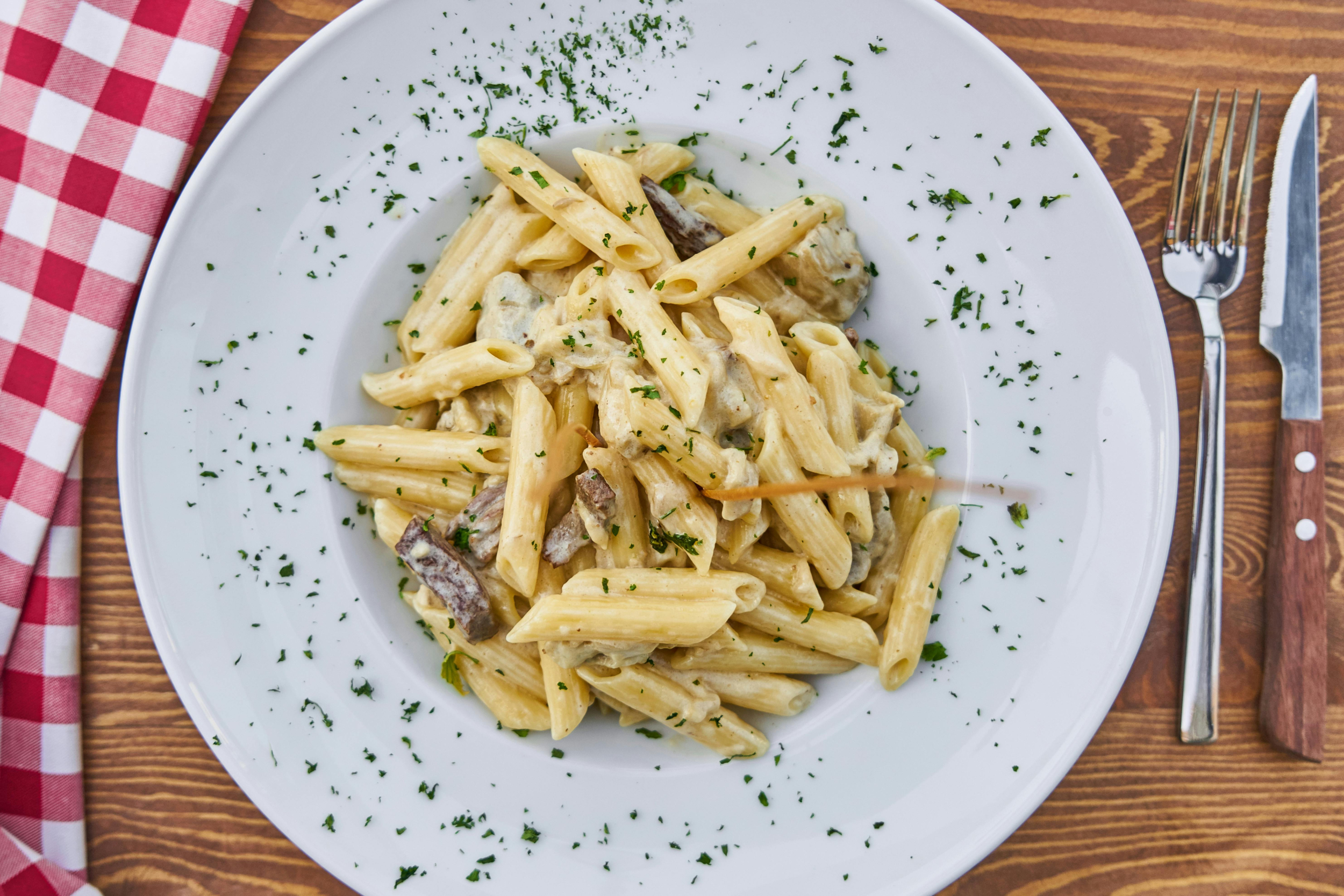
The United States is set to impose substantial tariffs on select Italian pasta imports, potentially reaching as high as 107%. This significant move threatens the availability of 13 major brands in grocery stores nationwide. The decision follows an investigation into allegations of ‘dumping’, where Italian exporters are accused of selling pasta below domestic market value, thereby undercutting American producers.
Should these tariffs be enacted, American consumers may face increased prices and a reduction in the variety of authentic Italian pasta available. For Italian exporters, this situation marks a critical disruption to one of their most profitable markets. According to industry analysts, the implications could extend beyond pasta, indicating a new phase of escalating trade tensions between the United States and Italy, a key European partner.
Impact on the Italian Pasta Market
The proposed tariffs consist of a standard 15% duty combined with a 92% anti-dumping levy, resulting in a total of 107%. The brands identified in the investigation include La Molisana and Garofalo, which faced scrutiny for submitting incomplete or untranslated documentation, delaying the investigation process. Notably, Barilla, which partially produces its pasta in the United States, is also included in this tariff proposal.
Italian pasta constitutes a £3.5 billion (approximately €4 billion or $4.7 billion) export industry. In 2024, the United States imported £600 million (around $700 million) worth of Italian pasta, accounting for 12% of the US pasta market. If the tariffs take effect, consumers could experience significant consequences. The total US pasta consumption is around £5 billion (about $5.8 billion) annually, meaning that losing £600 million in imports would drastically limit the options available to American shoppers.
Responses and Future Implications
The announcement has elicited strong reactions from Italian officials. Agriculture Minister Francesco Lollobrigida has characterized the tariffs as ‘hyper-protectionist’. In response to the potential trade dispute, the European Commission is reportedly preparing to escalate the matter to the World Trade Organisation if any shortcomings are found in the US investigation.
The 92% anti-dumping duty is currently preliminary and could undergo changes following a formal review scheduled for early 2026. Affected companies are actively requesting revisions in an effort to reduce or eliminate the proposed tariffs. The situation not only revolves around pasta but also reflects broader trade dynamics. With tariffs nearing 107%, Italian pasta exporters face difficult decisions: they may need to absorb the hefty duties, significantly raise prices, or withdraw from the US market altogether.
As the review process unfolds, the potential loss of 12% of pasta options for consumers looms large. Additionally, Italy’s food industry could suffer a major setback, losing a crucial export channel. All eyes will be on the evolving relationship between trade law, national interests, and cultural heritage, all through the lens of a beloved staple: pasta.

Cattle Showcases Thrive at RUAS Winter Fair 2023

UK and US Strike Zero Tariff Agreement on Pharmaceuticals

Maya Jama Stuns in Strapless Ensemble at Qatar Grand Prix

Russia and Saudi Arabia Launch Visa-Free Travel Agreement

ISOLDE Facility Marks 10 Years of Advancements in Nuclear Research

Voters Demand Resignation of Chancellor Rachel Reeves Over Tax Hikes

Shoppers Save 30% on Marks & Spencer’s Viral Velvet Dress

Health Campaigners Urge End to Smoking Exemption for Lounges

Charity Shop Surprise: Woman Finds Joggers Worth £2,000 for £8

Iconic 90s TV Show House Hits Market for £1.1 Million

Milk Bank Urges Mothers to Donate for Premature Babies’ Health

Alessia Russo Signs Long-Term Deal with Arsenal Ahead of WSL Season

Shoppers Flock to Discounted Neck Pillow on Amazon for Travel Comfort

Museums Body Critiques EHRC Proposals on Gender Facilities

Trump Visits Europe: Business, Politics, or Leisure?

Japanese Teen Sorato Shimizu Breaks U18 100m Record in 10 Seconds

Couple Shares Inspiring Love Story Defying Height Stereotypes

Anglian Water Raises Concerns Over Proposed AI Data Centre
-
 Entertainment2 months ago
Iconic 90s TV Show House Hits Market for £1.1 Million
-
 Lifestyle4 months ago
Milk Bank Urges Mothers to Donate for Premature Babies’ Health
-
 Sports3 months ago
Alessia Russo Signs Long-Term Deal with Arsenal Ahead of WSL Season
-
 Lifestyle4 months ago
Shoppers Flock to Discounted Neck Pillow on Amazon for Travel Comfort
-
 Politics4 months ago
Museums Body Critiques EHRC Proposals on Gender Facilities
-
 Business4 months ago
Trump Visits Europe: Business, Politics, or Leisure?
-
 Lifestyle4 months ago
Japanese Teen Sorato Shimizu Breaks U18 100m Record in 10 Seconds
-
 Politics4 months ago
Couple Shares Inspiring Love Story Defying Height Stereotypes
-
 World4 months ago
Anglian Water Raises Concerns Over Proposed AI Data Centre
-

 Sports4 months ago
Bournemouth Dominates Everton with 3-0 Victory in Premier League Summer Series
-

 World4 months ago
Wreckage of Missing Russian Passenger Plane Discovered in Flames
-

 Lifestyle4 months ago
Shoppers Rave About Roman’s £42 Midi Dress, Calling It ‘Elegant’