
Entertainment
Why the Traitors Captivates Audiences: A Link to Ancient Greece

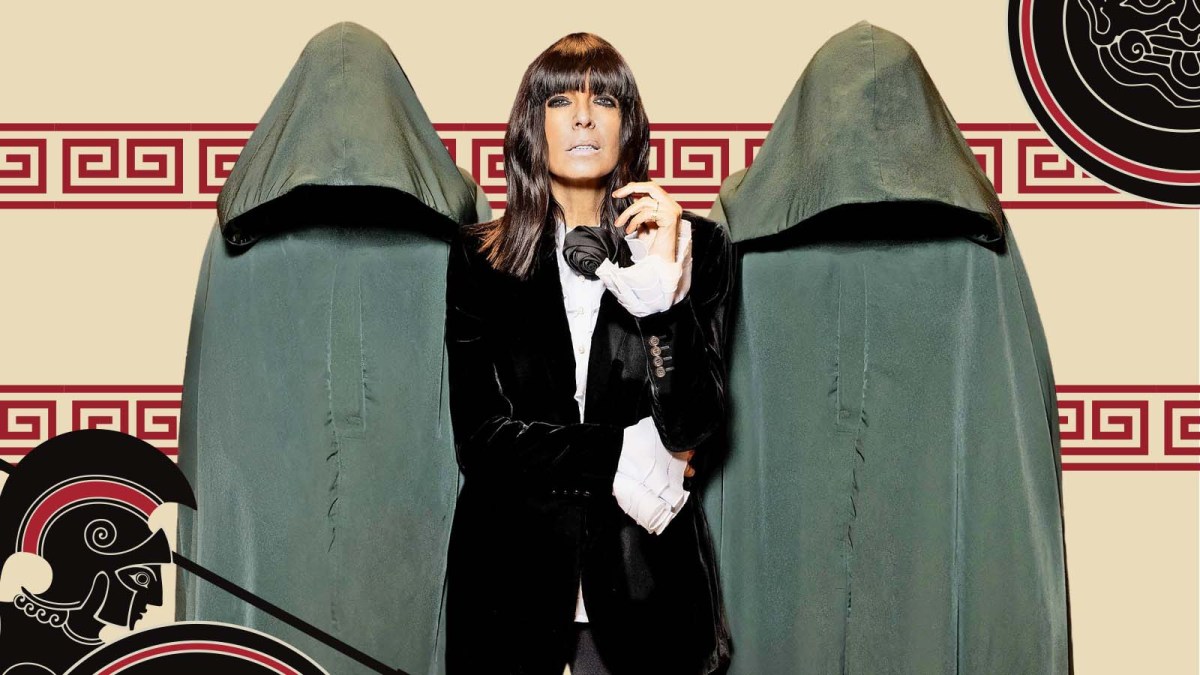
The BBC’s reality show, The Traitors, has captivated audiences, drawing millions of viewers since its debut. According to classicist Natalie Haynes, the show’s appeal is deeply rooted in the narratives of ancient Greece, where themes of betrayal and loyalty were explored in tragedies and dramas thousands of years ago.
Haynes argues that the essence of The Traitors resonates with the timeless human experience depicted in ancient works. The show, featuring contestants navigating deceit and strategy, mirrors the moral struggles faced by characters in Greek tragedies. This connection highlights how enduring these themes are across cultures and eras.
Ancient Themes in Modern Reality
The format of The Traitors not only entertains but also engages viewers on an emotional level. Contestants must form alliances while simultaneously questioning each other’s motives, creating a tense atmosphere reminiscent of classic Greek drama. Haynes notes that this dynamic is not simply a modern invention but rather a reimagining of age-old stories that have fascinated audiences for centuries.
This linkage to ancient narratives is significant. Haynes explains that the allure of betrayal and loyalty transcends time, suggesting that viewers find comfort in familiar patterns of conflict and resolution. The show taps into a primal instinct, urging participants and audiences alike to reflect on their own experiences of trust and deception.
Impact on Contemporary Entertainment
With its compelling format, The Traitors has sparked discussions about the nature of reality television. While many shows focus on superficial entertainment, this series encourages viewers to think critically about the human condition. By drawing from the foundations laid by ancient Greek playwrights, the program fosters a deeper appreciation for storytelling’s power.
The influence of Alan Carr and Cat Burns in the entertainment landscape cannot be ignored, but Haynes emphasizes that the show’s success speaks to a broader human fascination. This connection to historical narratives is a reminder that storytelling is an essential part of our culture, capable of evoking profound emotions and insights.
As audiences continue to engage with The Traitors, it becomes evident that the show’s format serves as a modern reflection of ancient themes. Haynes’ analysis provides a compelling perspective on how the past continues to shape contemporary entertainment, underscoring the relevance of classic storytelling in today’s world.

Liverpool Activates Backup Plan as Man City Targets Antoine Semenyo

British Father Drowns in Thailand After Being Swept Away by Waves

TorroFX Set to Transform Trading Landscape with Launch on December 1, 2025

BBC Breakfast’s Sally Nugent Apologizes for News Disruption

Recognize Bowel Cancer Signs During Festive Overindulgence

Marie Helvin Discusses Dating Challenges and Body Confidence at 73

Danny Morrison Reflects on United Ireland, Gerry Adams, and Stormont’s Future

Southampton University and Siemens Collaborate to Advance MEMS Technology

Barcelona’s Deco Highlights Rashford’s Burden at Manchester United

Iconic 90s TV Show House Hits Market for £1.1 Million

Milk Bank Urges Mothers to Donate for Premature Babies’ Health

Alessia Russo Signs Long-Term Deal with Arsenal Ahead of WSL Season

Shoppers Flock to Discounted Neck Pillow on Amazon for Travel Comfort

Museums Body Critiques EHRC Proposals on Gender Facilities

Trump Visits Europe: Business, Politics, or Leisure?

Japanese Teen Sorato Shimizu Breaks U18 100m Record in 10 Seconds

Couple Shares Inspiring Love Story Defying Height Stereotypes

Anglian Water Raises Concerns Over Proposed AI Data Centre
-
 Entertainment2 months ago
Iconic 90s TV Show House Hits Market for £1.1 Million
-
 Lifestyle4 months ago
Milk Bank Urges Mothers to Donate for Premature Babies’ Health
-
 Sports3 months ago
Alessia Russo Signs Long-Term Deal with Arsenal Ahead of WSL Season
-
 Lifestyle4 months ago
Shoppers Flock to Discounted Neck Pillow on Amazon for Travel Comfort
-
 Politics4 months ago
Museums Body Critiques EHRC Proposals on Gender Facilities
-
 Business4 months ago
Trump Visits Europe: Business, Politics, or Leisure?
-
 Lifestyle4 months ago
Japanese Teen Sorato Shimizu Breaks U18 100m Record in 10 Seconds
-
 Politics4 months ago
Couple Shares Inspiring Love Story Defying Height Stereotypes
-
 World4 months ago
Anglian Water Raises Concerns Over Proposed AI Data Centre
-

 Sports4 months ago
Bournemouth Dominates Everton with 3-0 Victory in Premier League Summer Series
-

 World4 months ago
Wreckage of Missing Russian Passenger Plane Discovered in Flames
-

 Lifestyle4 months ago
Shoppers Rave About Roman’s £42 Midi Dress, Calling It ‘Elegant’