
Health
AI Radiomics Transforms Treatment Predictions for Nasopharyngeal Carcinoma

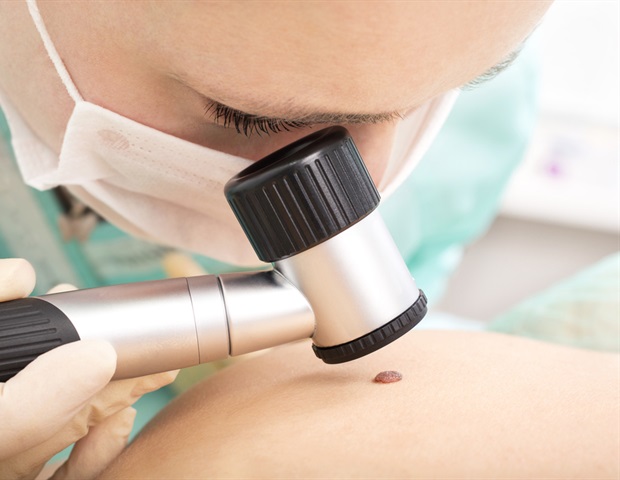
A recent multicenter study has revealed that an artificial intelligence (AI)-based radiomics model significantly outperforms traditional clinical models in predicting treatment outcomes for patients with nasopharyngeal carcinoma (NPC). The research, led by Prof. Shuixing Zhang and Prof. Bin Zhang from the First Affiliated Hospital of Jinan University, involved 246 patients diagnosed with locally advanced NPC who were treated with immunotherapy.
NPC is known for its aggressive nature and is often diagnosed at advanced stages. Although immunotherapy, particularly PD-1 blockade, has transformed treatment approaches, durable responses are seen in only a fraction of patients. This underscores the urgent need for reliable biomarkers that can accurately predict treatment responses.
The research team utilized advanced artificial intelligence algorithms to extract and select optimal radiomic features from medical imaging data, thereby constructing a predictive model specifically for NPC treatment outcomes. The study’s findings indicated that this new radiomics model achieved an area under the curve (AUC) of 0.760, representing a significant improvement over traditional clinical models that registered an AUC of only 0.559.
Enhanced Prognostic Accuracy through Radiomics
In terms of prognosis, the AI-based model achieved a concordance index (C-index) of 0.858, effectively classifying patients into high- and low-risk categories. This stratification is crucial for tailoring treatment strategies to individual patient needs, potentially enhancing overall treatment efficacy.
Beyond its predictive capabilities, the study also emphasized the biological relevance of the radiomics model. Through a comprehensive image-pathology correlation analysis using whole-slide hematoxylin and eosin (H&E) and immunohistochemistry (IHC) images, the researchers identified strong associations between the radiomic features and key immune cell markers, including CD45RO, CD8, PD-L1, and CD163. These findings underscore a significant connection between imaging-derived features and the immune landscape present in the tumor microenvironment, providing biological validation for the radiomics approach.
The implications of this research are profound. It not only highlights the potential of radiomics as a non-invasive tool for precision immunotherapy in NPC but also bridges the gap between advanced imaging analytics and tumor biology. The integration of these methodologies offers promising insights into patient stratification and the development of personalized treatment plans.
As the field of cancer treatment continues to evolve, studies like this one pave the way for enhanced predictive accuracy and improved patient outcomes, marking a significant step forward in the fight against nasopharyngeal carcinoma.
The complete study is documented in the Science and Technology Review Publishing House, authored by Sun, J. et al., and is available for further reading with the citation: doi.org/10.34133/research.0749.

Marie Helvin Discusses Dating Challenges and Body Confidence at 73

Danny Morrison Reflects on United Ireland, Gerry Adams, and Stormont’s Future

Southampton University and Siemens Collaborate to Advance MEMS Technology

Barcelona’s Deco Highlights Rashford’s Burden at Manchester United

Rolls-Royce Shares Surge 77% in 2025: What’s Next for Investors?

Welsh Ambulance Service Targets Frequent 999 Callers for Support

Welsh Ambulance Service Targets Frequent 999 Callers for Better Care

Bremen’s Marble Imaging Secures €5.3M for Revolutionary Satellites

WNBA and Players Association Secure 40-Day Extension on CBA Talks

Iconic 90s TV Show House Hits Market for £1.1 Million

Milk Bank Urges Mothers to Donate for Premature Babies’ Health

Alessia Russo Signs Long-Term Deal with Arsenal Ahead of WSL Season

Shoppers Flock to Discounted Neck Pillow on Amazon for Travel Comfort

Museums Body Critiques EHRC Proposals on Gender Facilities

Trump Visits Europe: Business, Politics, or Leisure?

Japanese Teen Sorato Shimizu Breaks U18 100m Record in 10 Seconds

Couple Shares Inspiring Love Story Defying Height Stereotypes

Anglian Water Raises Concerns Over Proposed AI Data Centre
-
 Entertainment2 months ago
Iconic 90s TV Show House Hits Market for £1.1 Million
-
 Lifestyle4 months ago
Milk Bank Urges Mothers to Donate for Premature Babies’ Health
-
 Sports3 months ago
Alessia Russo Signs Long-Term Deal with Arsenal Ahead of WSL Season
-
 Lifestyle4 months ago
Shoppers Flock to Discounted Neck Pillow on Amazon for Travel Comfort
-
 Politics4 months ago
Museums Body Critiques EHRC Proposals on Gender Facilities
-
 Business4 months ago
Trump Visits Europe: Business, Politics, or Leisure?
-
 Lifestyle4 months ago
Japanese Teen Sorato Shimizu Breaks U18 100m Record in 10 Seconds
-
 Politics4 months ago
Couple Shares Inspiring Love Story Defying Height Stereotypes
-
 World4 months ago
Anglian Water Raises Concerns Over Proposed AI Data Centre
-

 Sports4 months ago
Bournemouth Dominates Everton with 3-0 Victory in Premier League Summer Series
-

 World4 months ago
Wreckage of Missing Russian Passenger Plane Discovered in Flames
-

 Lifestyle4 months ago
Shoppers Rave About Roman’s £42 Midi Dress, Calling It ‘Elegant’