
Health
Chronic Kidney Disease Joins Top 10 Causes of Death Globally

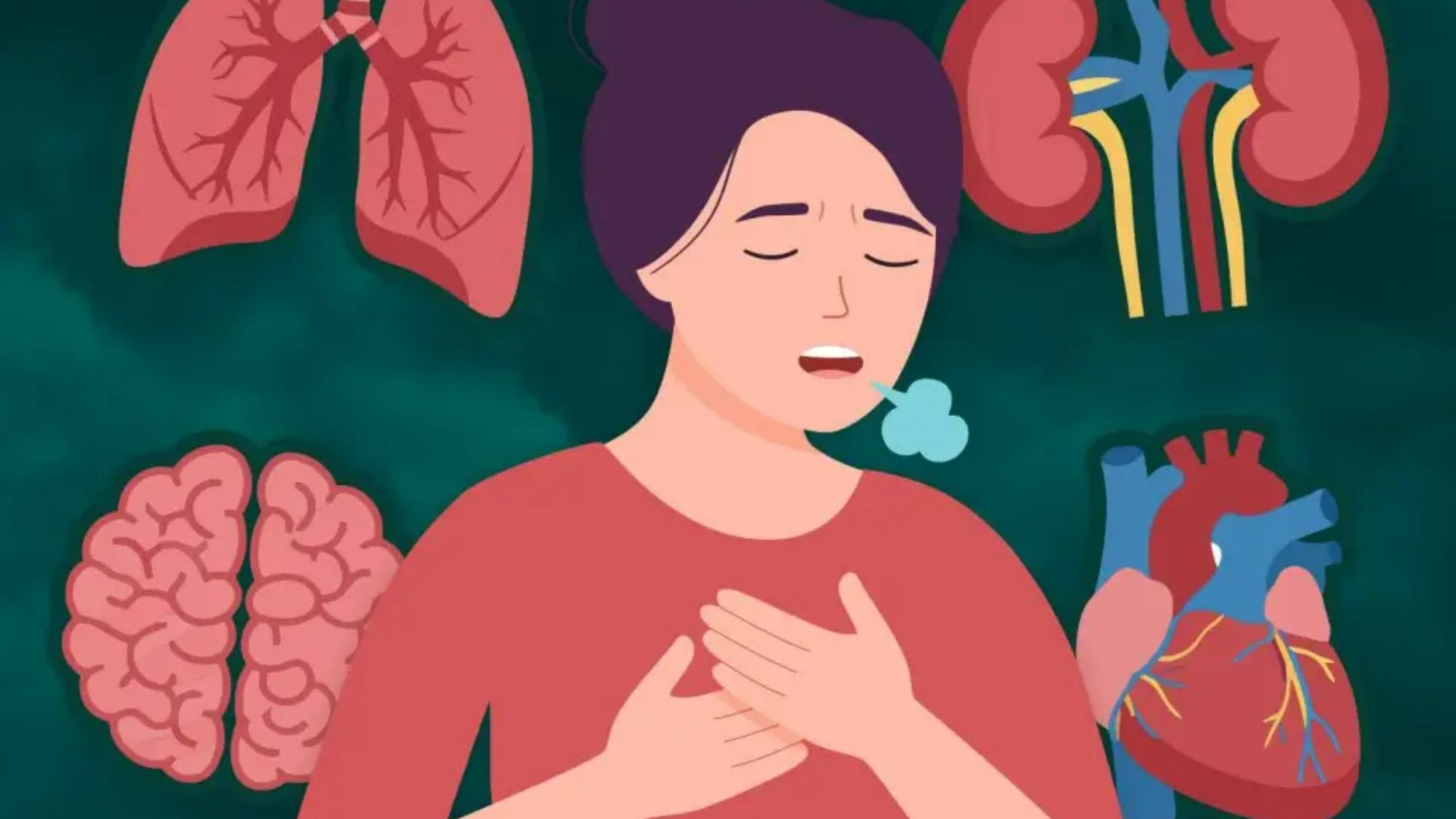
A significant shift in global health has occurred as chronic kidney disease (CKD) has entered the top ten causes of death worldwide. According to recent findings by US scientists, approximately 1.5 million people die from this often asymptomatic condition each year. The alarming rise in CKD cases underscores the urgent need for public awareness and proactive health measures.
Around 788 million individuals globally are now affected by CKD, a figure that has more than doubled over the past three decades. This statistic indicates that over one in ten adults is living with this chronic condition, which typically progresses without noticeable symptoms until it reaches a critical stage.
Understanding Chronic Kidney Disease
Chronic kidney disease is characterized by the gradual loss of kidney function, which can lead to serious health complications, including kidney failure. Early detection and management are crucial, yet many individuals remain unaware of their condition until it becomes severe. This highlights the need for increased screening and education on kidney health.
The increase in CKD cases can be attributed to several factors, including rising rates of diabetes and hypertension, which are leading contributors to kidney damage. As lifestyle-related health issues continue to escalate, the burden of CKD is expected to grow, posing a significant challenge for healthcare systems worldwide.
Global Health Implications and Recommendations
The World Health Organization (WHO) has emphasized the importance of addressing chronic kidney disease as a global health priority. They recommend regular health check-ups to monitor kidney function, especially for individuals at higher risk, including those with diabetes, hypertension, or a family history of kidney disease.
Public health campaigns aimed at educating communities about the risks and symptoms of CKD can play a vital role in prevention. By raising awareness, health authorities can encourage individuals to seek medical advice earlier, potentially reducing the number of advanced cases.
As CKD gains recognition as a leading cause of death, it is imperative for governments and health organizations to implement strategies that support early detection and effective management. This will not only improve patient outcomes but also alleviate the growing pressure on healthcare resources.
The rising prevalence of chronic kidney disease serves as a stark reminder of the importance of maintaining overall health and well-being. With early intervention and education, there is hope for mitigating the impact of this silent killer on populations around the globe.

Marie Helvin Discusses Dating Challenges and Body Confidence at 73

Danny Morrison Reflects on United Ireland, Gerry Adams, and Stormont’s Future

Southampton University and Siemens Collaborate to Advance MEMS Technology

Barcelona’s Deco Highlights Rashford’s Burden at Manchester United

Rolls-Royce Shares Surge 77% in 2025: What’s Next for Investors?

Welsh Ambulance Service Targets Frequent 999 Callers for Support

Welsh Ambulance Service Targets Frequent 999 Callers for Better Care

Bremen’s Marble Imaging Secures €5.3M for Revolutionary Satellites

WNBA and Players Association Secure 40-Day Extension on CBA Talks

Iconic 90s TV Show House Hits Market for £1.1 Million

Milk Bank Urges Mothers to Donate for Premature Babies’ Health

Alessia Russo Signs Long-Term Deal with Arsenal Ahead of WSL Season

Shoppers Flock to Discounted Neck Pillow on Amazon for Travel Comfort

Museums Body Critiques EHRC Proposals on Gender Facilities

Trump Visits Europe: Business, Politics, or Leisure?

Japanese Teen Sorato Shimizu Breaks U18 100m Record in 10 Seconds

Couple Shares Inspiring Love Story Defying Height Stereotypes

Anglian Water Raises Concerns Over Proposed AI Data Centre
-
 Entertainment2 months ago
Iconic 90s TV Show House Hits Market for £1.1 Million
-
 Lifestyle4 months ago
Milk Bank Urges Mothers to Donate for Premature Babies’ Health
-
 Sports3 months ago
Alessia Russo Signs Long-Term Deal with Arsenal Ahead of WSL Season
-
 Lifestyle4 months ago
Shoppers Flock to Discounted Neck Pillow on Amazon for Travel Comfort
-
 Politics4 months ago
Museums Body Critiques EHRC Proposals on Gender Facilities
-
 Business4 months ago
Trump Visits Europe: Business, Politics, or Leisure?
-
 Lifestyle4 months ago
Japanese Teen Sorato Shimizu Breaks U18 100m Record in 10 Seconds
-
 Politics4 months ago
Couple Shares Inspiring Love Story Defying Height Stereotypes
-
 World4 months ago
Anglian Water Raises Concerns Over Proposed AI Data Centre
-

 Sports4 months ago
Bournemouth Dominates Everton with 3-0 Victory in Premier League Summer Series
-

 World4 months ago
Wreckage of Missing Russian Passenger Plane Discovered in Flames
-

 Lifestyle4 months ago
Shoppers Rave About Roman’s £42 Midi Dress, Calling It ‘Elegant’