
Health
New Daily Pill Offers Hope for Millions with High Blood Pressure

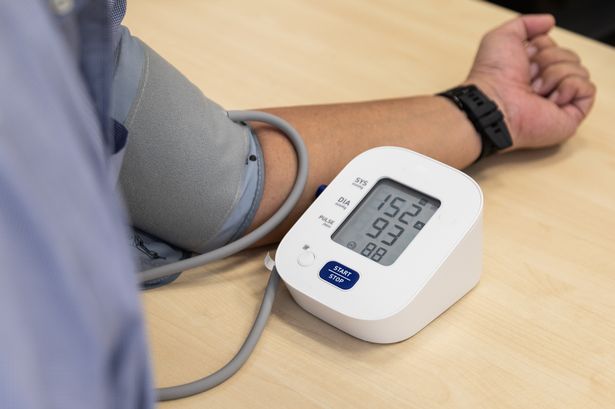
A new once-daily medication, known as baxdrostat, has shown promising results in managing blood pressure for millions of individuals in the United Kingdom and globally. Clinical trials indicate that this innovative drug could assist as many as 10 million people in the UK and potentially up to 500 million worldwide who struggle to regulate their blood pressure despite using existing treatments.
The worldwide BaxHTN trial, led by Professor Bryan Williams from University College London (UCL), included nearly 800 patients from 214 medical centres across various countries. Results demonstrated a significant reduction in blood pressure levels among participants taking baxdrostat, with readings dropping by approximately 9-10 mmHg after just 12 weeks of treatment. This reduction is substantial enough to lower the risk of serious cardiovascular issues.
Around 40% of the patients receiving baxdrostat achieved healthy blood pressure levels, compared to less than 20% in the placebo group. Professor Williams emphasized that these findings could revolutionize treatment for high blood pressure, which affects an estimated 1.3 billion people worldwide and is a leading cause of premature death due to heart disease, stroke, and kidney disease.
Baxdrostat, developed by AstraZeneca, functions by inhibiting an enzyme responsible for producing aldosterone, a hormone that regulates blood pressure and salt levels in the body. Professor Williams explained that the critical role of aldosterone in resistant high blood pressure has only been recognized in the last decade. He noted that traditional medications often fail to address this underlying mechanism effectively.
“Unless we take this system out in some way, it becomes difficult to get blood pressure controlled in a very large number of people,” he stated. “By inhibiting the production of aldosterone, we have seen blood pressure levels come down significantly.”
The promising results from the BaxHTN trial have sparked excitement in the medical community. Professor Williams indicated that this new approach not only improves blood pressure management but may also reduce the number of medications patients need to take. “We are targeting the underlying problem, which we haven’t been doing with the drugs that we currently use,” he said.
AstraZeneca plans to submit baxdrostat for regulatory approval later this year. Sharon Barr, executive vice president of biopharmaceuticals R&D at AstraZeneca, highlighted the importance of these findings, which were published in the New England Journal of Medicine and presented at the European Society of Cardiology Congress in Madrid. “These results demonstrate baxdrostat’s potential in tackling one of the toughest challenges in cardiovascular care,” she commented.
With high blood pressure affecting around 14 million people in the UK alone, the need for effective treatments is urgent. Without appropriate management, high blood pressure can lead to severe complications, including heart attacks and strokes. The introduction of baxdrostat could represent a significant advancement in the fight against this pervasive health issue, bringing hope to millions who continue to struggle with elevated blood pressure levels.

Cattle Showcases Thrive at RUAS Winter Fair 2023

UK and US Strike Zero Tariff Agreement on Pharmaceuticals

Maya Jama Stuns in Strapless Ensemble at Qatar Grand Prix

Russia and Saudi Arabia Launch Visa-Free Travel Agreement

ISOLDE Facility Marks 10 Years of Advancements in Nuclear Research

Voters Demand Resignation of Chancellor Rachel Reeves Over Tax Hikes

Shoppers Save 30% on Marks & Spencer’s Viral Velvet Dress

Health Campaigners Urge End to Smoking Exemption for Lounges

Charity Shop Surprise: Woman Finds Joggers Worth £2,000 for £8

Iconic 90s TV Show House Hits Market for £1.1 Million

Milk Bank Urges Mothers to Donate for Premature Babies’ Health

Alessia Russo Signs Long-Term Deal with Arsenal Ahead of WSL Season

Shoppers Flock to Discounted Neck Pillow on Amazon for Travel Comfort

Museums Body Critiques EHRC Proposals on Gender Facilities

Trump Visits Europe: Business, Politics, or Leisure?

Japanese Teen Sorato Shimizu Breaks U18 100m Record in 10 Seconds

Couple Shares Inspiring Love Story Defying Height Stereotypes

Anglian Water Raises Concerns Over Proposed AI Data Centre
-
 Entertainment2 months ago
Iconic 90s TV Show House Hits Market for £1.1 Million
-
 Lifestyle4 months ago
Milk Bank Urges Mothers to Donate for Premature Babies’ Health
-
 Sports3 months ago
Alessia Russo Signs Long-Term Deal with Arsenal Ahead of WSL Season
-
 Lifestyle4 months ago
Shoppers Flock to Discounted Neck Pillow on Amazon for Travel Comfort
-
 Politics4 months ago
Museums Body Critiques EHRC Proposals on Gender Facilities
-
 Business4 months ago
Trump Visits Europe: Business, Politics, or Leisure?
-
 Lifestyle4 months ago
Japanese Teen Sorato Shimizu Breaks U18 100m Record in 10 Seconds
-
 Politics4 months ago
Couple Shares Inspiring Love Story Defying Height Stereotypes
-
 World4 months ago
Anglian Water Raises Concerns Over Proposed AI Data Centre
-

 Sports4 months ago
Bournemouth Dominates Everton with 3-0 Victory in Premier League Summer Series
-

 World4 months ago
Wreckage of Missing Russian Passenger Plane Discovered in Flames
-

 Lifestyle4 months ago
Shoppers Rave About Roman’s £42 Midi Dress, Calling It ‘Elegant’