
Health
Supplement Promises Relief for IBS Sufferers, Improves Mood

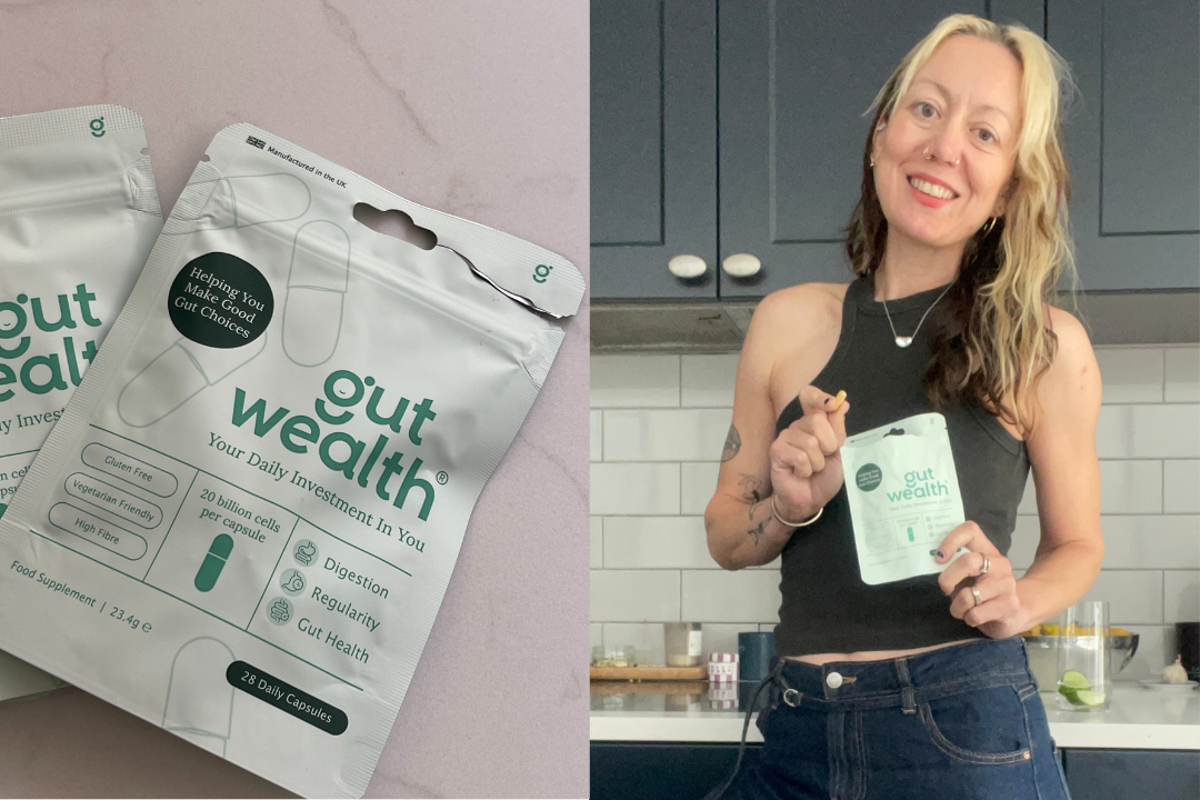
A recently introduced health supplement has shown promising results in alleviating symptoms of Irritable Bowel Syndrome (IBS) within just one week of use. This supplement is gaining attention for not only easing gastrointestinal discomfort but also significantly enhancing mental well-being among users.
Research into the effects of dietary supplements on IBS has revealed that certain ingredients may help to regulate gut health. According to a study published in the *Journal of Gastroenterology* on March 15, 2023, specific formulations can lead to a notable decrease in IBS-related symptoms, such as bloating and abdominal pain, within a week of consistent use.
Promising Outcomes for Patients
Patients participating in the study reported a marked improvement in their mental health alongside the physical benefits. The combination of reduced stomach issues and improved emotional states suggests that gut health may play a critical role in overall mental well-being. A participant from the study, who wished to remain anonymous, shared, “Not only did my stomach issue ease, but my mental health improved massively.” This anecdote underscores the connection between digestive health and mental clarity, an area that researchers are keen to explore further.
Nutrition experts emphasize that the relationship between gut health and mental health, often referred to as the gut-brain axis, is a developing field of study. Dr. Sarah Thompson, a leading nutrition researcher at the University of London, states, “Our findings suggest that improving gut health can have a beneficial effect on mood and mental health.” This highlights the potential of dietary supplements to address both physical and psychological aspects of health.
Market Implications and Future Research
The growing interest in supplements that target IBS opens up significant market opportunities. According to data from the *Global Health Supplements Market Report*, the industry is expected to reach approximately $280 billion by 2025, driven in part by increasing consumer awareness of health and wellness products. As more individuals seek effective solutions for chronic conditions like IBS, the demand for scientifically backed supplements continues to rise.
Despite the positive early results, health professionals advise caution. The ongoing research is essential to determine the long-term efficacy and safety of these supplements. Regulatory bodies, such as the European Food Safety Authority (EFSA) and the U.S. Food and Drug Administration (FDA), are monitoring developments closely, ensuring that products entering the market meet safety standards.
Given the promising early findings, ongoing studies will likely focus on identifying the specific ingredients responsible for these health benefits. As researchers continue to explore the intricacies of the gut-brain connection, patients suffering from IBS may soon have more comprehensive options for managing their symptoms while also enhancing their mental health.
In summary, the emergence of this new supplement offers hope for those suffering from IBS, highlighting the critical link between gut health and emotional well-being. As research progresses, it may pave the way for innovative solutions that could transform how individuals approach their health challenges.

Liverpool Activates Backup Plan as Man City Targets Antoine Semenyo

British Father Drowns in Thailand After Being Swept Away by Waves

TorroFX Set to Transform Trading Landscape with Launch on December 1, 2025

BBC Breakfast’s Sally Nugent Apologizes for News Disruption

Recognize Bowel Cancer Signs During Festive Overindulgence

Marie Helvin Discusses Dating Challenges and Body Confidence at 73

Danny Morrison Reflects on United Ireland, Gerry Adams, and Stormont’s Future

Southampton University and Siemens Collaborate to Advance MEMS Technology

Barcelona’s Deco Highlights Rashford’s Burden at Manchester United

Iconic 90s TV Show House Hits Market for £1.1 Million

Milk Bank Urges Mothers to Donate for Premature Babies’ Health

Alessia Russo Signs Long-Term Deal with Arsenal Ahead of WSL Season

Shoppers Flock to Discounted Neck Pillow on Amazon for Travel Comfort

Museums Body Critiques EHRC Proposals on Gender Facilities

Trump Visits Europe: Business, Politics, or Leisure?

Japanese Teen Sorato Shimizu Breaks U18 100m Record in 10 Seconds

Couple Shares Inspiring Love Story Defying Height Stereotypes

Anglian Water Raises Concerns Over Proposed AI Data Centre
-
 Entertainment2 months ago
Iconic 90s TV Show House Hits Market for £1.1 Million
-
 Lifestyle4 months ago
Milk Bank Urges Mothers to Donate for Premature Babies’ Health
-
 Sports3 months ago
Alessia Russo Signs Long-Term Deal with Arsenal Ahead of WSL Season
-
 Lifestyle4 months ago
Shoppers Flock to Discounted Neck Pillow on Amazon for Travel Comfort
-
 Politics4 months ago
Museums Body Critiques EHRC Proposals on Gender Facilities
-
 Business4 months ago
Trump Visits Europe: Business, Politics, or Leisure?
-
 Lifestyle4 months ago
Japanese Teen Sorato Shimizu Breaks U18 100m Record in 10 Seconds
-
 Politics4 months ago
Couple Shares Inspiring Love Story Defying Height Stereotypes
-
 World4 months ago
Anglian Water Raises Concerns Over Proposed AI Data Centre
-

 Sports4 months ago
Bournemouth Dominates Everton with 3-0 Victory in Premier League Summer Series
-

 World4 months ago
Wreckage of Missing Russian Passenger Plane Discovered in Flames
-

 Lifestyle4 months ago
Shoppers Rave About Roman’s £42 Midi Dress, Calling It ‘Elegant’