
Health
Understanding Oily Skin During Perimenopause: Solutions Revealed

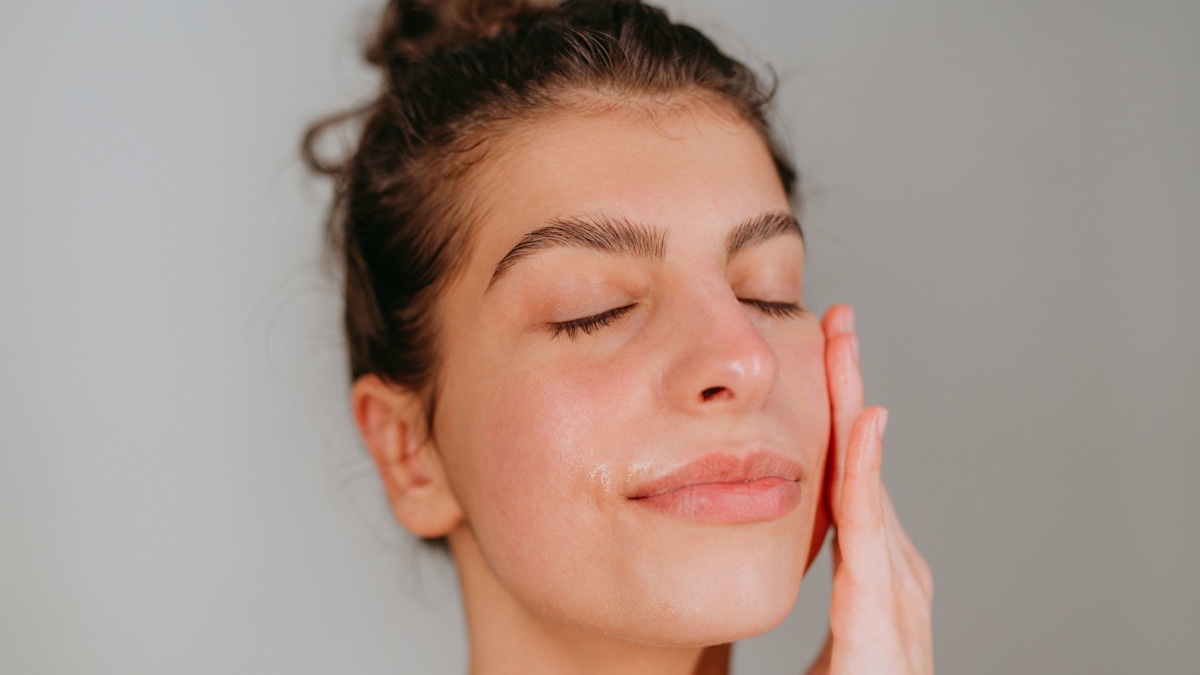
As women enter their 40s, many experience significant skin changes, particularly during perimenopause. Hormonal fluctuations can lead to oily skin, adult acne, and enlarged pores. This phenomenon has prompted numerous inquiries regarding effective skincare solutions.
Dr Kiran Juneja, a skincare expert and aesthetics doctor, explains that during perimenopause, the body experiences declining estrogen and fluctuating progesterone levels. These hormonal changes can result in increased oiliness as androgen levels rise, stimulating the sebaceous glands to produce more oil.
To effectively manage oily skin during this transitional phase, Dr Juneja emphasizes the importance of a balanced skincare routine. “To combat this, it’s crucial to balance oil without overstripping the skin,” she advises. Using gentle, noncomedogenic cleansers is essential. These cleansers should effectively remove excess sebum while preserving the skin barrier.
Recommended Skincare Practices
Incorporating lightweight, oil-free moisturizers that contain hydrating ingredients like hyaluronic acid or glycerin can help maintain moisture without adding excess oil. For those facing persistent breakouts, targeted treatments with benzoyl peroxide may be beneficial but should be introduced gradually to minimize irritation.
The role of exfoliation cannot be overlooked. Regular use of exfoliating acids, such as salicylic acid, is recommended to clear pores and reduce congestion. Additionally, niacinamide can effectively regulate sebum production and improve skin texture.
Professor Firas, a consultant and dermatologist, supports these recommendations. He suggests that appropriate skincare tailored to hormonal changes is vital. “Gentle cleansers and hydrating ingredients can help restore moisture and strengthen the skin barrier,” he states. Depending on individual sensitivity, introducing a retinoid or an alpha hydroxy acid can further support cell turnover, enhancing overall skin texture.
Lifestyle Adjustments and Professional Treatments
Beyond skincare products, lifestyle changes can significantly influence oil production. Staying hydrated, managing stress, and maintaining a balanced diet are all crucial. A simplified skincare routine is often more effective than overwhelming the skin with numerous products, which can exacerbate both oiliness and sensitivity.
For those seeking additional support, professional facial treatments can be beneficial. Laura Porter, skincare expert and founder of FAB Skincare, recommends specialized facial treatments to address oily pores. Regular facial massage or lymphatic drainage can enhance circulation, reduce congestion, and alleviate puffiness, creating a smoother skin texture without harsh chemicals.
“For perimenopausal clients,” Porter explains, “I often recommend a combination of hydrating facials with gentle enzyme exfoliation. This approach maintains barrier health while keeping pores clear and oil levels in check.”
Navigating the changes that come with perimenopause can be challenging, particularly regarding skin health. By understanding the underlying hormonal influences and adopting tailored skincare practices, women can effectively manage oily skin and restore their natural glow.

LaLiga Thrills: Key Highlights from Recent Fixtures Unveiled

Germany Intensifies Deportations of Afghan and Syrian Migrants

Shoppers Embrace Next’s £36 Knit as Trendy Christmas Alternative

Harbour Energy Announces 100 Job Cuts Amid Industry Challenges

Amy Childs Shares Weight Gain Journey, Emphasizing Self-Love

UK and US Set to Finalize Zero-Tariff Agreement on Pharmaceuticals

Liverpool Activates Backup Plan as Man City Targets Antoine Semenyo

British Father Drowns in Thailand After Being Swept Away by Waves

TorroFX Set to Transform Trading Landscape with Launch on December 1, 2025

Iconic 90s TV Show House Hits Market for £1.1 Million

Milk Bank Urges Mothers to Donate for Premature Babies’ Health

Alessia Russo Signs Long-Term Deal with Arsenal Ahead of WSL Season

Shoppers Flock to Discounted Neck Pillow on Amazon for Travel Comfort

Museums Body Critiques EHRC Proposals on Gender Facilities

Trump Visits Europe: Business, Politics, or Leisure?

Japanese Teen Sorato Shimizu Breaks U18 100m Record in 10 Seconds

Couple Shares Inspiring Love Story Defying Height Stereotypes

Anglian Water Raises Concerns Over Proposed AI Data Centre
-
 Entertainment2 months ago
Iconic 90s TV Show House Hits Market for £1.1 Million
-
 Lifestyle4 months ago
Milk Bank Urges Mothers to Donate for Premature Babies’ Health
-
 Sports3 months ago
Alessia Russo Signs Long-Term Deal with Arsenal Ahead of WSL Season
-
 Lifestyle4 months ago
Shoppers Flock to Discounted Neck Pillow on Amazon for Travel Comfort
-
 Politics4 months ago
Museums Body Critiques EHRC Proposals on Gender Facilities
-
 Business4 months ago
Trump Visits Europe: Business, Politics, or Leisure?
-
 Lifestyle4 months ago
Japanese Teen Sorato Shimizu Breaks U18 100m Record in 10 Seconds
-
 Politics4 months ago
Couple Shares Inspiring Love Story Defying Height Stereotypes
-
 World4 months ago
Anglian Water Raises Concerns Over Proposed AI Data Centre
-

 Sports4 months ago
Bournemouth Dominates Everton with 3-0 Victory in Premier League Summer Series
-

 World4 months ago
Wreckage of Missing Russian Passenger Plane Discovered in Flames
-

 Lifestyle4 months ago
Shoppers Rave About Roman’s £42 Midi Dress, Calling It ‘Elegant’