
Politics
Gateshead Council Faces Challenges in Addressing Empty Buildings

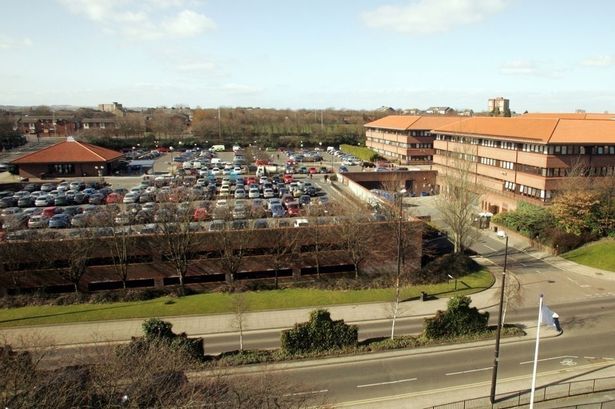
Gateshead Council is grappling with the increasing number of long-term vacant buildings across the area, a situation compounded by legal delays and difficulties in locating property owners. During a recent meeting of the council’s housing and communities scrutiny committee, officials outlined the complex issues that hinder efforts to manage these empty private properties, which include both commercial and residential sites.
As of September 2022, approximately 1,450 properties were recorded as vacant throughout Gateshead. According to Elaine Rudman, compliance and regulatory services manager at Gateshead Council, the challenges arise from absentee landlords, many of whom live abroad, and complications related to probate. These factors can significantly prolong the resolution process, sometimes taking years.
The council’s ability to act is further restricted by staffing issues. A dedicated role for managing long-term vacant properties has remained unfilled since April 2025. However, the local authority is making strides to address this gap, having recently hired two new employees who will begin their roles next month.
Legal Framework and Community Impact
The council has multiple legal tools at its disposal to address vacant properties, including provisions from the Local Government Miscellaneous Provisions Act 1982. This act empowers local authorities to serve notices on owners to secure properties or undertake emergency works if necessary. Additionally, the Environmental Protection Act 1990 allows the council to intervene if a building’s condition constitutes a statutory nuisance.
Despite these powers, the council cannot provide a standard timeframe for resolving issues related to vacant buildings. Councillors were informed that the process can often extend beyond two years. This delay can have significant repercussions for local communities, particularly in areas where abandoned properties attract anti-social behavior or pose safety risks.
Rudman reassured committee members that the council exhausts all available measures when addressing problematic empty properties. She stated, “The reality is some of these powers and steps take a long time to resolve and take a long time to see progress being made.”
The council’s reports intentionally avoided detailed mentions of specific abandoned properties to prevent encouraging “urban explorers,” who might expose themselves to hazardous conditions. The focus remains on ensuring community safety while navigating the complexities of property management.
As Gateshead Council continues its efforts to tackle the issue of vacant buildings, the challenges highlighted during the committee meeting underscore the need for a coordinated approach involving legal, administrative, and community engagement strategies.

Liverpool Activates Backup Plan as Man City Targets Antoine Semenyo

British Father Drowns in Thailand After Being Swept Away by Waves

TorroFX Set to Transform Trading Landscape with Launch on December 1, 2025

BBC Breakfast’s Sally Nugent Apologizes for News Disruption

Recognize Bowel Cancer Signs During Festive Overindulgence

Marie Helvin Discusses Dating Challenges and Body Confidence at 73

Danny Morrison Reflects on United Ireland, Gerry Adams, and Stormont’s Future

Southampton University and Siemens Collaborate to Advance MEMS Technology

Barcelona’s Deco Highlights Rashford’s Burden at Manchester United

Iconic 90s TV Show House Hits Market for £1.1 Million

Milk Bank Urges Mothers to Donate for Premature Babies’ Health

Alessia Russo Signs Long-Term Deal with Arsenal Ahead of WSL Season

Shoppers Flock to Discounted Neck Pillow on Amazon for Travel Comfort

Museums Body Critiques EHRC Proposals on Gender Facilities

Trump Visits Europe: Business, Politics, or Leisure?

Japanese Teen Sorato Shimizu Breaks U18 100m Record in 10 Seconds

Couple Shares Inspiring Love Story Defying Height Stereotypes

Anglian Water Raises Concerns Over Proposed AI Data Centre
-
 Entertainment2 months ago
Iconic 90s TV Show House Hits Market for £1.1 Million
-
 Lifestyle4 months ago
Milk Bank Urges Mothers to Donate for Premature Babies’ Health
-
 Sports3 months ago
Alessia Russo Signs Long-Term Deal with Arsenal Ahead of WSL Season
-
 Lifestyle4 months ago
Shoppers Flock to Discounted Neck Pillow on Amazon for Travel Comfort
-
 Politics4 months ago
Museums Body Critiques EHRC Proposals on Gender Facilities
-
 Business4 months ago
Trump Visits Europe: Business, Politics, or Leisure?
-
 Lifestyle4 months ago
Japanese Teen Sorato Shimizu Breaks U18 100m Record in 10 Seconds
-
 Politics4 months ago
Couple Shares Inspiring Love Story Defying Height Stereotypes
-
 World4 months ago
Anglian Water Raises Concerns Over Proposed AI Data Centre
-

 Sports4 months ago
Bournemouth Dominates Everton with 3-0 Victory in Premier League Summer Series
-

 World4 months ago
Wreckage of Missing Russian Passenger Plane Discovered in Flames
-

 Lifestyle4 months ago
Shoppers Rave About Roman’s £42 Midi Dress, Calling It ‘Elegant’