
Politics
Scotland’s NHS Faces Scrutiny Over New Appointment Reporting Rules

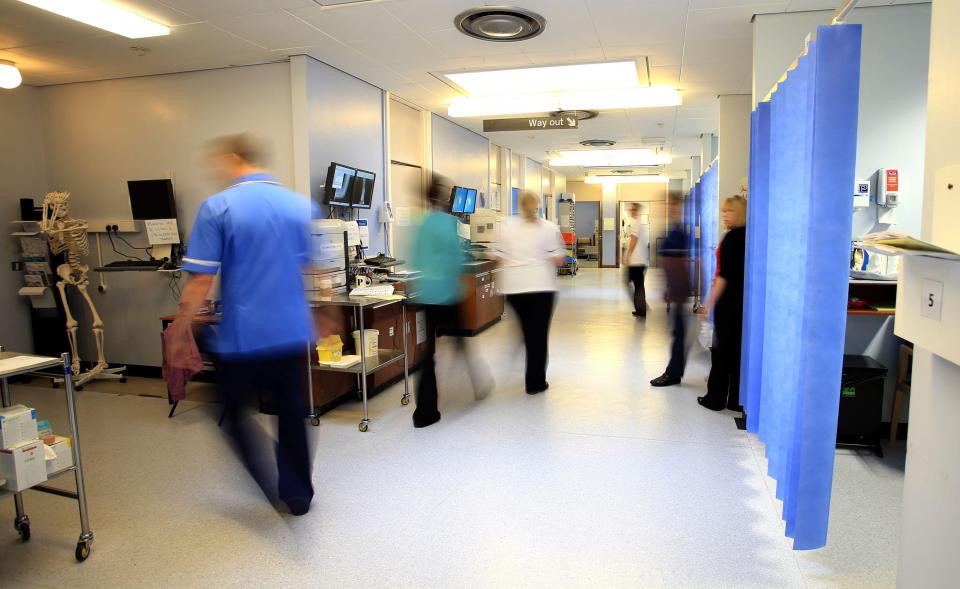
Scotland’s National Health Service (NHS) is under intense scrutiny following the announcement of new rules that will alter how patient wait times are reported. The Scottish Government intends to remove thousands of cases from public statistics, with officials stating that this move will not necessarily lead to quicker appointments for patients.
Critics are calling this strategy a “sleekit” attempt to manipulate figures, aiming to create a more favorable impression of the SNP’s handling of the health crisis. According to the new guidelines, health boards will be able to “reset to zero” the wait times for patients who cancel or miss appointments, effectively reducing the official wait lists without addressing the underlying issues.
Dr. Sandesh Gulhane, the Scottish Conservative health spokesman, expressed strong disapproval, stating, “This is a sleekit attempt from the SNP to cook the books.” He emphasized that such manipulations do not solve the fundamental problems facing the NHS.
Scottish Labour’s health spokeswoman, Jackie Baillie, echoed this sentiment, labeling the initiative a “disgraceful attempt” by the SNP to mask their failures in managing the health service. Alex Cole-Hamilton, leader of the Scottish Liberal Democrats, described the move as a “straightforward pre-election fiddle,” suggesting it aims to mislead the public ahead of the upcoming Holyrood elections in May 2024.
Public Health Scotland indicated that the total number of patients waiting for inpatient and outpatient treatment would decrease from 103,789 to 99,127 under the new reporting method. The median wait for inpatient care would fall by eight days to 152 days, while outpatient waits would decline by five days to 112 days. Despite this, a briefing note clarified that these adjustments in figures do not reflect an actual increase in patient treatment speed.
The backdrop to these changes is a growing backlog within the NHS, with nearly 900,000 adults currently awaiting appointments. Critics argue that while the government may present improved statistics, the reality for patients remains unchanged. Many are still waiting for essential care, which highlights the disconnect between reported figures and patient experiences.
Health Secretary Neil Gray previously committed to ensuring that no patient waits longer than a year for treatment by 2026. Yet, as the NHS grapples with record-breaking wait times, the perceived manipulation of data raises concerns about transparency and accountability.
Public Health Scotland’s findings reveal that the current number of patients waiting over a year for outpatient appointments stands at a record high of 67,095. The new counting method, set to be implemented shortly, is seen by some as an attempt to present a more favorable image of the health service rather than genuinely addressing the systemic issues.
As debates continue, the call for substantive reforms in Scotland’s NHS grows louder. Stakeholders and patients alike are urging the government to focus on real solutions that improve healthcare delivery rather than relying on statistical adjustments to mask ongoing challenges.

Cattle Showcases Thrive at RUAS Winter Fair 2023

UK and US Strike Zero Tariff Agreement on Pharmaceuticals

Maya Jama Stuns in Strapless Ensemble at Qatar Grand Prix

Russia and Saudi Arabia Launch Visa-Free Travel Agreement

ISOLDE Facility Marks 10 Years of Advancements in Nuclear Research

Voters Demand Resignation of Chancellor Rachel Reeves Over Tax Hikes

Shoppers Save 30% on Marks & Spencer’s Viral Velvet Dress

Health Campaigners Urge End to Smoking Exemption for Lounges

Charity Shop Surprise: Woman Finds Joggers Worth £2,000 for £8

Iconic 90s TV Show House Hits Market for £1.1 Million

Milk Bank Urges Mothers to Donate for Premature Babies’ Health

Alessia Russo Signs Long-Term Deal with Arsenal Ahead of WSL Season

Shoppers Flock to Discounted Neck Pillow on Amazon for Travel Comfort

Museums Body Critiques EHRC Proposals on Gender Facilities

Trump Visits Europe: Business, Politics, or Leisure?

Japanese Teen Sorato Shimizu Breaks U18 100m Record in 10 Seconds

Couple Shares Inspiring Love Story Defying Height Stereotypes

Anglian Water Raises Concerns Over Proposed AI Data Centre
-
 Entertainment2 months ago
Iconic 90s TV Show House Hits Market for £1.1 Million
-
 Lifestyle4 months ago
Milk Bank Urges Mothers to Donate for Premature Babies’ Health
-
 Sports3 months ago
Alessia Russo Signs Long-Term Deal with Arsenal Ahead of WSL Season
-
 Lifestyle4 months ago
Shoppers Flock to Discounted Neck Pillow on Amazon for Travel Comfort
-
 Politics4 months ago
Museums Body Critiques EHRC Proposals on Gender Facilities
-
 Business4 months ago
Trump Visits Europe: Business, Politics, or Leisure?
-
 Lifestyle4 months ago
Japanese Teen Sorato Shimizu Breaks U18 100m Record in 10 Seconds
-
 Politics4 months ago
Couple Shares Inspiring Love Story Defying Height Stereotypes
-
 World4 months ago
Anglian Water Raises Concerns Over Proposed AI Data Centre
-

 Sports4 months ago
Bournemouth Dominates Everton with 3-0 Victory in Premier League Summer Series
-

 World4 months ago
Wreckage of Missing Russian Passenger Plane Discovered in Flames
-

 Lifestyle4 months ago
Shoppers Rave About Roman’s £42 Midi Dress, Calling It ‘Elegant’