
Politics
Seagull Summit Held Amid Controversy Over Minister’s Resignation

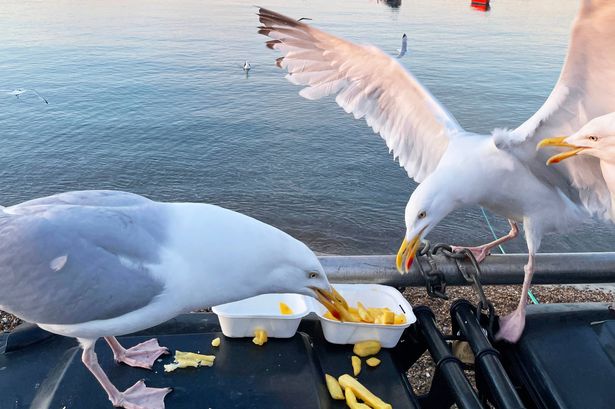
A summit addressing the issue of problem seagulls is taking place today in Inverness, following the resignation of SNP minister Jamie Hepburn amid controversy regarding the management of the birds. The event, chaired by SNP agriculture minister Jim Fairlie, aims to bring together local officials and community groups to discuss effective strategies for mitigating the challenges posed by seagulls.
The controversy escalated last week when Douglas Ross, a Conservative Member of the Scottish Parliament (MSP), criticized the Scottish Government for excluding opposition parties and the media from the summit. This criticism came after Ross had previously raised concerns about the gull population earlier in the year. His remarks provoked a heated exchange with Hepburn in Parliament, which led to Ross accusing the SNP minister of “assaulting” him. Following this incident, Hepburn resigned from his position on March 1, 2024, a move that added to the tensions surrounding the summit.
Despite the ongoing turmoil, the Scottish Government is pressing forward with the event. The summit will include participants from local councils, NatureScot, waste management companies, and various community organizations. The focus will be on addressing the disruption caused by seagulls and exploring potential solutions, including the use of deterrents such as lasers, noise devices, roof spikes, and netting to prevent nesting.
Jim Fairlie emphasized the importance of collaboration in tackling the seagull issue, stating, “The summit allows us to share practical solutions, learn from real-world examples and identify gaps in current policies to develop a coordinated approach.” He noted that managing gull populations often requires a multifaceted strategy, particularly regarding litter management, which contributes to the availability of food sources for the birds.
Additionally, Fairlie mentioned that when public safety is at risk, NatureScot can issue control licenses, allowing for more direct management of the gull population. The funding for these initiatives will come from NatureScot, supporting projects aimed at reducing gull-related issues in urban areas.
Professor Colin Galbraith, chair of NatureScot, pointed out that seagulls have adapted to changing food availability and climate conditions by increasingly residing in urban environments. He expressed optimism that the funding would enable local councils to create proactive and collaborative management plans that balance conservation efforts with necessary control activities.
As the summit progresses, the Scottish Government aims to foster effective solutions tailored to the unique circumstances of affected communities, ensuring that urban areas become less attractive to seagulls. The outcomes of this summit could significantly influence future policies and strategies regarding wildlife management in Scotland.

Cattle Showcases Thrive at RUAS Winter Fair 2023

UK and US Strike Zero Tariff Agreement on Pharmaceuticals

Maya Jama Stuns in Strapless Ensemble at Qatar Grand Prix

Russia and Saudi Arabia Launch Visa-Free Travel Agreement

ISOLDE Facility Marks 10 Years of Advancements in Nuclear Research

Voters Demand Resignation of Chancellor Rachel Reeves Over Tax Hikes

Shoppers Save 30% on Marks & Spencer’s Viral Velvet Dress

Health Campaigners Urge End to Smoking Exemption for Lounges

Charity Shop Surprise: Woman Finds Joggers Worth £2,000 for £8

Iconic 90s TV Show House Hits Market for £1.1 Million

Milk Bank Urges Mothers to Donate for Premature Babies’ Health

Alessia Russo Signs Long-Term Deal with Arsenal Ahead of WSL Season

Shoppers Flock to Discounted Neck Pillow on Amazon for Travel Comfort

Museums Body Critiques EHRC Proposals on Gender Facilities

Trump Visits Europe: Business, Politics, or Leisure?

Japanese Teen Sorato Shimizu Breaks U18 100m Record in 10 Seconds

Couple Shares Inspiring Love Story Defying Height Stereotypes

Anglian Water Raises Concerns Over Proposed AI Data Centre
-
 Entertainment2 months ago
Iconic 90s TV Show House Hits Market for £1.1 Million
-
 Lifestyle4 months ago
Milk Bank Urges Mothers to Donate for Premature Babies’ Health
-
 Sports3 months ago
Alessia Russo Signs Long-Term Deal with Arsenal Ahead of WSL Season
-
 Lifestyle4 months ago
Shoppers Flock to Discounted Neck Pillow on Amazon for Travel Comfort
-
 Politics4 months ago
Museums Body Critiques EHRC Proposals on Gender Facilities
-
 Business4 months ago
Trump Visits Europe: Business, Politics, or Leisure?
-
 Lifestyle4 months ago
Japanese Teen Sorato Shimizu Breaks U18 100m Record in 10 Seconds
-
 Politics4 months ago
Couple Shares Inspiring Love Story Defying Height Stereotypes
-
 World4 months ago
Anglian Water Raises Concerns Over Proposed AI Data Centre
-

 Sports4 months ago
Bournemouth Dominates Everton with 3-0 Victory in Premier League Summer Series
-

 World4 months ago
Wreckage of Missing Russian Passenger Plane Discovered in Flames
-

 Lifestyle4 months ago
Shoppers Rave About Roman’s £42 Midi Dress, Calling It ‘Elegant’