
Politics
Wrexham Councillors Debate Market Revival Amid Community Concerns

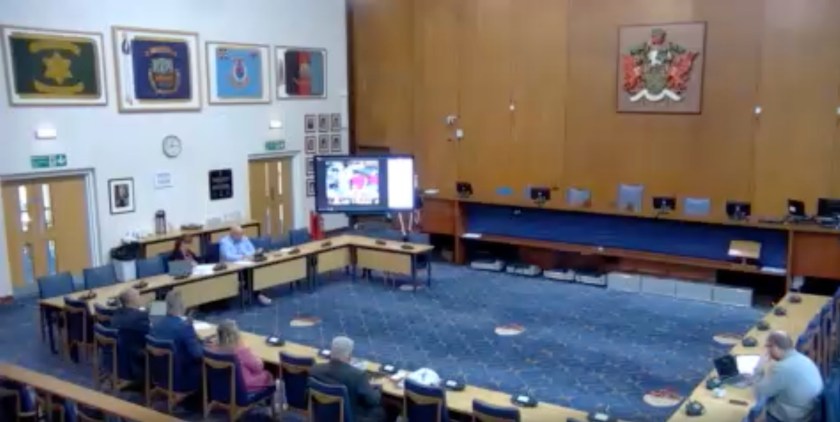
Wrexham Council’s Employment, Business and Investment Scrutiny Committee recently convened to discuss the future of Wrexham’s historic markets, focusing particularly on the Butchers’ Market and the General Market’s progress. The committee reviewed a report detailing the challenges faced since the multi-million-pound restoration and reopening of these markets in November 2024, following their closure in July 2023.
During the meeting, concerns were raised regarding ongoing issues related to the design of the market spaces, the impact of changing consumer habits, and competition from large retailers like Amazon.com. Councillors debated whether the challenges stemmed from municipal design flaws, economic shifts, or the shopping preferences of the public. The report highlighted vacant units and ineffective incentives for the Monday Market as key areas needing attention.
Committee chair Cllr Bill Baldwin initiated discussions by inviting Cllr Nigel Williams, Lead Member for the Economy, to present the report. Cllr Williams described the refurbishment of the Butchers’ Market and the General Market as a complex project made possible through funding from the National Lottery Heritage Fund, the Welsh Government’s Transforming Towns Fund, and Wrexham Council’s capital programme. He noted the increase in occupancy rates, stating that the General Market rose from 53 percent to 64 percent and the Butchers’ Market increased from 21 percent to 70 percent since reopening.
Despite these positive figures, scrutiny quickly emerged regarding the condition of the market facilities. Cllr Andy Gallanders highlighted issues with the flooring, describing it as a potential safety hazard due to trip risks and its disheveled appearance. “The floor looks dirty. It looks unfinished. Parts are concrete, some parts slate, some stone,” he stated, drawing attention to trader complaints about injuries caused by the flooring.
In response, a senior council officer defended the project, emphasizing the importance of preserving the historic elements of the buildings while acknowledging that some snagging issues remained unresolved. He confirmed that the council was still within the snagging period, typically lasting 12 months, to address identified problems. However, Cllr Gallanders remained critical, insisting that the current state of the flooring reflected poorly on the substantial investment made in the refurbishment.
The meeting also addressed the lack of permanent tenants in the butcher units, with Cllr Gallanders questioning the suitability of the installed equipment for butchery. He cited the council’s budget allocation of £10,000-£20,000 for equipping these units, yet noted that no butchers had taken up the opportunity since reopening. Cllr Williams explained that while the council provided basic services, it was ultimately up to prospective tenants to determine their specific needs for fit-outs.
Financial constraints and changing consumer preferences were recurring themes throughout the discussion. Cllr Baldwin suggested that the reluctance of butchers to invest in the market may stem from insufficient foot traffic. Cllr Williams echoed this sentiment, stating that the days of having multiple butchers in the city may be over as shopping habits shift towards convenience and cost-effectiveness offered by supermarkets.
As discussions continued, Cllr Dana Davies raised concerns about the financial transparency of the markets, questioning the lack of detailed income and expenditure reports. She suggested that the council consider offering payment plans for startup costs to ease the burden on new traders.
The meeting concluded with a call for recommendations aimed at improving the situation. These included requests for detailed financial reports, engagement with traders to better understand their needs, and exploring potential incentives for new businesses. Cllr Gallanders proposed inviting traders to voice their experiences and concerns in future meetings, a suggestion that was accepted by the committee.
In reflecting on the challenges facing Wrexham’s markets, Cllr Williams emphasized the need for community support, urging residents to patronize local businesses. “People need to support the traders we have here,” he stated, highlighting the importance of local engagement in revitalizing the markets.
As Wrexham navigates the complexities of revitalizing its historic markets, the council faces the dual challenge of modernizing facilities while addressing the evolving preferences of consumers. The outcome of these discussions could well shape the future of the city’s marketplace and its role within the community.

Cattle Showcases Thrive at RUAS Winter Fair 2023

UK and US Strike Zero Tariff Agreement on Pharmaceuticals

Maya Jama Stuns in Strapless Ensemble at Qatar Grand Prix

Russia and Saudi Arabia Launch Visa-Free Travel Agreement

ISOLDE Facility Marks 10 Years of Advancements in Nuclear Research

Voters Demand Resignation of Chancellor Rachel Reeves Over Tax Hikes

Shoppers Save 30% on Marks & Spencer’s Viral Velvet Dress

Health Campaigners Urge End to Smoking Exemption for Lounges

Charity Shop Surprise: Woman Finds Joggers Worth £2,000 for £8

Iconic 90s TV Show House Hits Market for £1.1 Million

Milk Bank Urges Mothers to Donate for Premature Babies’ Health

Alessia Russo Signs Long-Term Deal with Arsenal Ahead of WSL Season

Shoppers Flock to Discounted Neck Pillow on Amazon for Travel Comfort

Museums Body Critiques EHRC Proposals on Gender Facilities

Trump Visits Europe: Business, Politics, or Leisure?

Japanese Teen Sorato Shimizu Breaks U18 100m Record in 10 Seconds

Couple Shares Inspiring Love Story Defying Height Stereotypes

Anglian Water Raises Concerns Over Proposed AI Data Centre
-
 Entertainment2 months ago
Iconic 90s TV Show House Hits Market for £1.1 Million
-
 Lifestyle4 months ago
Milk Bank Urges Mothers to Donate for Premature Babies’ Health
-
 Sports3 months ago
Alessia Russo Signs Long-Term Deal with Arsenal Ahead of WSL Season
-
 Lifestyle4 months ago
Shoppers Flock to Discounted Neck Pillow on Amazon for Travel Comfort
-
 Politics4 months ago
Museums Body Critiques EHRC Proposals on Gender Facilities
-
 Business4 months ago
Trump Visits Europe: Business, Politics, or Leisure?
-
 Lifestyle4 months ago
Japanese Teen Sorato Shimizu Breaks U18 100m Record in 10 Seconds
-
 Politics4 months ago
Couple Shares Inspiring Love Story Defying Height Stereotypes
-
 World4 months ago
Anglian Water Raises Concerns Over Proposed AI Data Centre
-

 Sports4 months ago
Bournemouth Dominates Everton with 3-0 Victory in Premier League Summer Series
-

 World4 months ago
Wreckage of Missing Russian Passenger Plane Discovered in Flames
-

 Lifestyle4 months ago
Shoppers Rave About Roman’s £42 Midi Dress, Calling It ‘Elegant’