
Science
Ancient Chinese Skull Discovery Challenges Human Evolution Theory

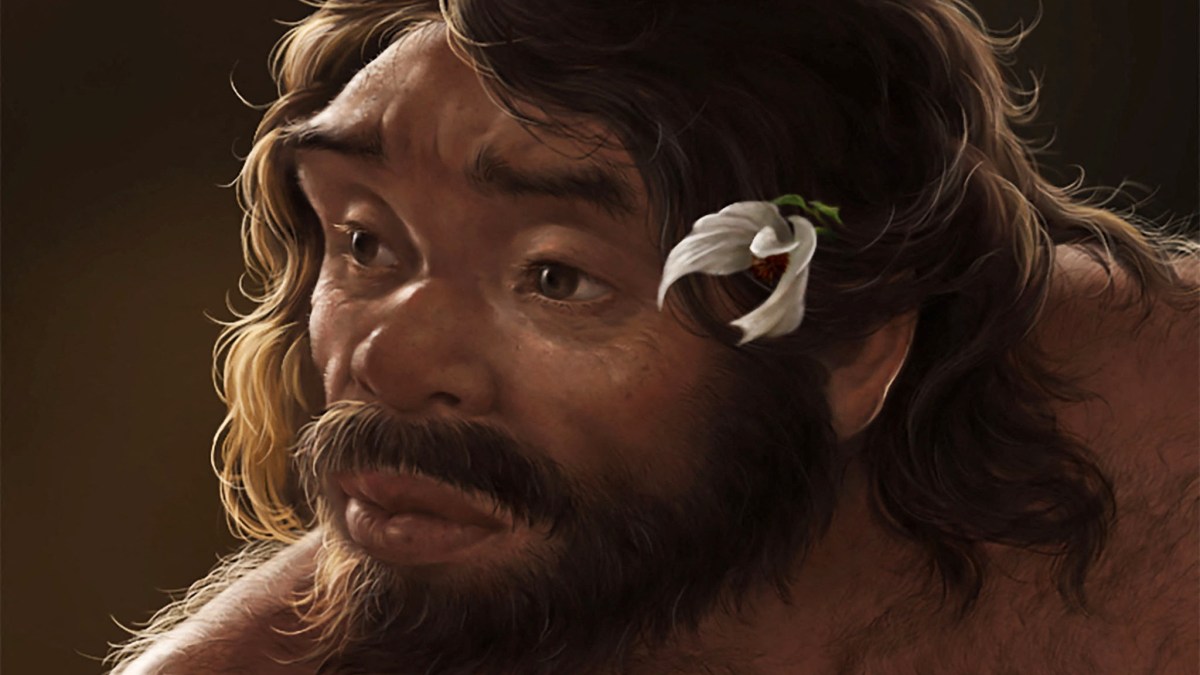
A recently unearthed skull, identified as the Yunxian 2, could significantly alter existing theories regarding human evolution. This skull, estimated to be over 1 million years old, was discovered in China and suggests that Homo sapiens may have emerged 400,000 years earlier than previously thought, potentially in Asia rather than Africa.
The findings challenge the long-held belief that modern humans originated solely in Africa. Researchers involved in the excavation, which took place in the Yunxian County of Hunan Province, believe that this discovery could provide new insights into the migration and development of early human species.
Experts from various institutions have been analyzing the fossil, which exhibits features that are distinct from those of known ancient hominins. This includes a combination of both archaic and modern traits, making it a unique specimen in the study of human ancestry.
Significance of the Discovery
According to a study published in the journal Nature, the implications of the Yunxian 2 skull extend far beyond its geographical context. The data suggests that early human populations might have been more diverse and widespread than previously understood. The conventional view of a linear evolution from Africa may need reevaluation in light of these findings.
Dr. Li Wei, a leading researcher on the project, emphasized the importance of the skull in understanding the complexities of human evolution. “This discovery may indicate that multiple regions contributed to the development of modern humans,” he stated. “It opens a new chapter in the narrative of our origins.”
The skull’s age and its anatomical features are prompting scientists to reconsider timelines and migration patterns of early hominins. Previous fossil records from Africa have dominated the discourse on human origins, thereby minimizing the significance of discoveries in other regions. The Yunxian 2 skull may help balance this narrative.
Future Research Directions
The implications of the Yunxian 2 find extend into various fields of research, including archaeology, anthropology, and genetics. Ongoing studies will focus on the geological context of the skull, as well as comparisons with other ancient fossils found across Asia and Africa.
Further excavation in the region is planned, with hopes of uncovering additional artifacts that could shed light on the lifestyle and environment of early humans. The research team anticipates that new findings could lead to a more comprehensive understanding of how early humans adapted to different habitats.
In summary, the discovery of the Yunxian 2 skull not only adds a substantial piece to the puzzle of human evolution but also encourages a broader examination of our species’ history. As research continues, scientists remain optimistic about what future discoveries may reveal regarding the intricate web of human ancestry.

Cattle Showcases Thrive at RUAS Winter Fair 2023

UK and US Strike Zero Tariff Agreement on Pharmaceuticals

Maya Jama Stuns in Strapless Ensemble at Qatar Grand Prix

Russia and Saudi Arabia Launch Visa-Free Travel Agreement

ISOLDE Facility Marks 10 Years of Advancements in Nuclear Research

Voters Demand Resignation of Chancellor Rachel Reeves Over Tax Hikes

Shoppers Save 30% on Marks & Spencer’s Viral Velvet Dress

Health Campaigners Urge End to Smoking Exemption for Lounges

Charity Shop Surprise: Woman Finds Joggers Worth £2,000 for £8

Iconic 90s TV Show House Hits Market for £1.1 Million

Milk Bank Urges Mothers to Donate for Premature Babies’ Health

Alessia Russo Signs Long-Term Deal with Arsenal Ahead of WSL Season

Shoppers Flock to Discounted Neck Pillow on Amazon for Travel Comfort

Museums Body Critiques EHRC Proposals on Gender Facilities

Trump Visits Europe: Business, Politics, or Leisure?

Japanese Teen Sorato Shimizu Breaks U18 100m Record in 10 Seconds

Couple Shares Inspiring Love Story Defying Height Stereotypes

Anglian Water Raises Concerns Over Proposed AI Data Centre
-
 Entertainment2 months ago
Iconic 90s TV Show House Hits Market for £1.1 Million
-
 Lifestyle4 months ago
Milk Bank Urges Mothers to Donate for Premature Babies’ Health
-
 Sports3 months ago
Alessia Russo Signs Long-Term Deal with Arsenal Ahead of WSL Season
-
 Lifestyle4 months ago
Shoppers Flock to Discounted Neck Pillow on Amazon for Travel Comfort
-
 Politics4 months ago
Museums Body Critiques EHRC Proposals on Gender Facilities
-
 Business4 months ago
Trump Visits Europe: Business, Politics, or Leisure?
-
 Lifestyle4 months ago
Japanese Teen Sorato Shimizu Breaks U18 100m Record in 10 Seconds
-
 Politics4 months ago
Couple Shares Inspiring Love Story Defying Height Stereotypes
-
 World4 months ago
Anglian Water Raises Concerns Over Proposed AI Data Centre
-

 Sports4 months ago
Bournemouth Dominates Everton with 3-0 Victory in Premier League Summer Series
-

 World4 months ago
Wreckage of Missing Russian Passenger Plane Discovered in Flames
-

 Lifestyle4 months ago
Shoppers Rave About Roman’s £42 Midi Dress, Calling It ‘Elegant’