
Science
Explore the Waxing Gibbous Moon on International Observe the Moon Night

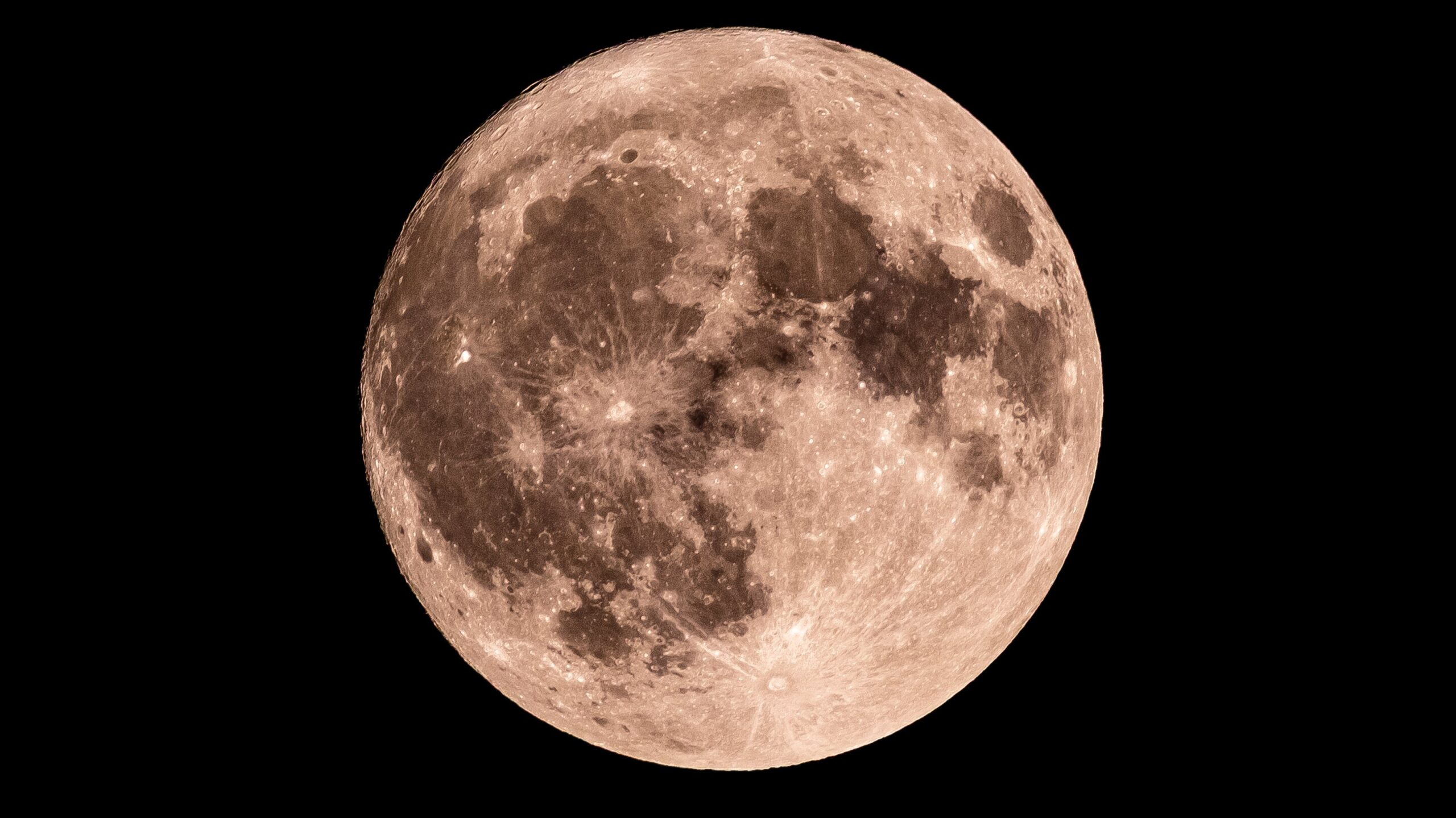
On October 4, 2023, stargazers around the world can enjoy a spectacular view of the Waxing Gibbous Moon, which is illuminated at an impressive 91%. This night coincides with International Observe the Moon Night, an initiative by NASA to encourage people to celebrate and appreciate our celestial neighbor.
NASA invites enthusiasts to engage in lunar observations, emphasizing the cultural and personal connections many have with the Moon. Tonight, viewers can spot several prominent lunar features, including the Copernicus Crater, Mare Serenitatis, and Mare Fecunditatis, all of which are easily visible to the naked eye.
What to See in the Night Sky
For those equipped with binoculars, the view becomes even more rewarding. Observers can glimpse the Apennine Mountains, Alphonsus Crater, and Clavius Crater. Additionally, those with telescopes have the chance to view the historic landing site of Apollo 11, along with the intriguing Reiner Gamma and the Descartes Highlands.
The Waxing Gibbous phase is a fascinating time in the lunar cycle, as the Moon transitions towards its next full phase. The upcoming full moon is set for October 7, following the last full moon on September 7.
Understanding Moon Phases
The various phases of the Moon result from its 29.5-day orbit around Earth and the changing angles formed between the Sun, Moon, and Earth. As the Moon orbits, the amount of sunlight reflected from its surface alters, creating the different appearances we observe. From our vantage point on Earth, the Moon can appear full, partially illuminated, or entirely dark, while always showing the same side.
The primary moon phases include:
– **New Moon**: The Moon is positioned between Earth and the Sun, rendering it invisible.
– **Waxing Crescent**: A small sliver of light becomes visible on the right side.
– **First Quarter**: Half of the Moon is lit on the right side, creating a half-moon appearance.
– **Waxing Gibbous**: More than half of the Moon’s surface is illuminated, but it is not yet full.
– **Full Moon**: The entire face of the Moon is fully illuminated.
– **Waning Gibbous**: The illuminated portion begins to decrease on the right side.
– **Last Quarter**: Another half-moon appears, with the left side now lit.
– **Waning Crescent**: A thin sliver of light remains on the left side before the Moon disappears again.
This evening, as enthusiasts gather for International Observe the Moon Night, they will not only enjoy the stunning view of the Waxing Gibbous Moon but also deepen their understanding of its phases and significance in our night sky.

Cattle Showcases Thrive at RUAS Winter Fair 2023

UK and US Strike Zero Tariff Agreement on Pharmaceuticals

Maya Jama Stuns in Strapless Ensemble at Qatar Grand Prix

Russia and Saudi Arabia Launch Visa-Free Travel Agreement

ISOLDE Facility Marks 10 Years of Advancements in Nuclear Research

Voters Demand Resignation of Chancellor Rachel Reeves Over Tax Hikes

Shoppers Save 30% on Marks & Spencer’s Viral Velvet Dress

Health Campaigners Urge End to Smoking Exemption for Lounges

Charity Shop Surprise: Woman Finds Joggers Worth £2,000 for £8

Iconic 90s TV Show House Hits Market for £1.1 Million

Milk Bank Urges Mothers to Donate for Premature Babies’ Health

Alessia Russo Signs Long-Term Deal with Arsenal Ahead of WSL Season

Shoppers Flock to Discounted Neck Pillow on Amazon for Travel Comfort

Museums Body Critiques EHRC Proposals on Gender Facilities

Trump Visits Europe: Business, Politics, or Leisure?

Japanese Teen Sorato Shimizu Breaks U18 100m Record in 10 Seconds

Couple Shares Inspiring Love Story Defying Height Stereotypes

Anglian Water Raises Concerns Over Proposed AI Data Centre
-
 Entertainment2 months ago
Iconic 90s TV Show House Hits Market for £1.1 Million
-
 Lifestyle4 months ago
Milk Bank Urges Mothers to Donate for Premature Babies’ Health
-
 Sports3 months ago
Alessia Russo Signs Long-Term Deal with Arsenal Ahead of WSL Season
-
 Lifestyle4 months ago
Shoppers Flock to Discounted Neck Pillow on Amazon for Travel Comfort
-
 Politics4 months ago
Museums Body Critiques EHRC Proposals on Gender Facilities
-
 Business4 months ago
Trump Visits Europe: Business, Politics, or Leisure?
-
 Lifestyle4 months ago
Japanese Teen Sorato Shimizu Breaks U18 100m Record in 10 Seconds
-
 Politics4 months ago
Couple Shares Inspiring Love Story Defying Height Stereotypes
-
 World4 months ago
Anglian Water Raises Concerns Over Proposed AI Data Centre
-

 Sports4 months ago
Bournemouth Dominates Everton with 3-0 Victory in Premier League Summer Series
-

 World4 months ago
Wreckage of Missing Russian Passenger Plane Discovered in Flames
-

 Lifestyle4 months ago
Shoppers Rave About Roman’s £42 Midi Dress, Calling It ‘Elegant’