
Science
Lab-Grown Mini-Brains Reveal Insights into Neanderthal Extinction

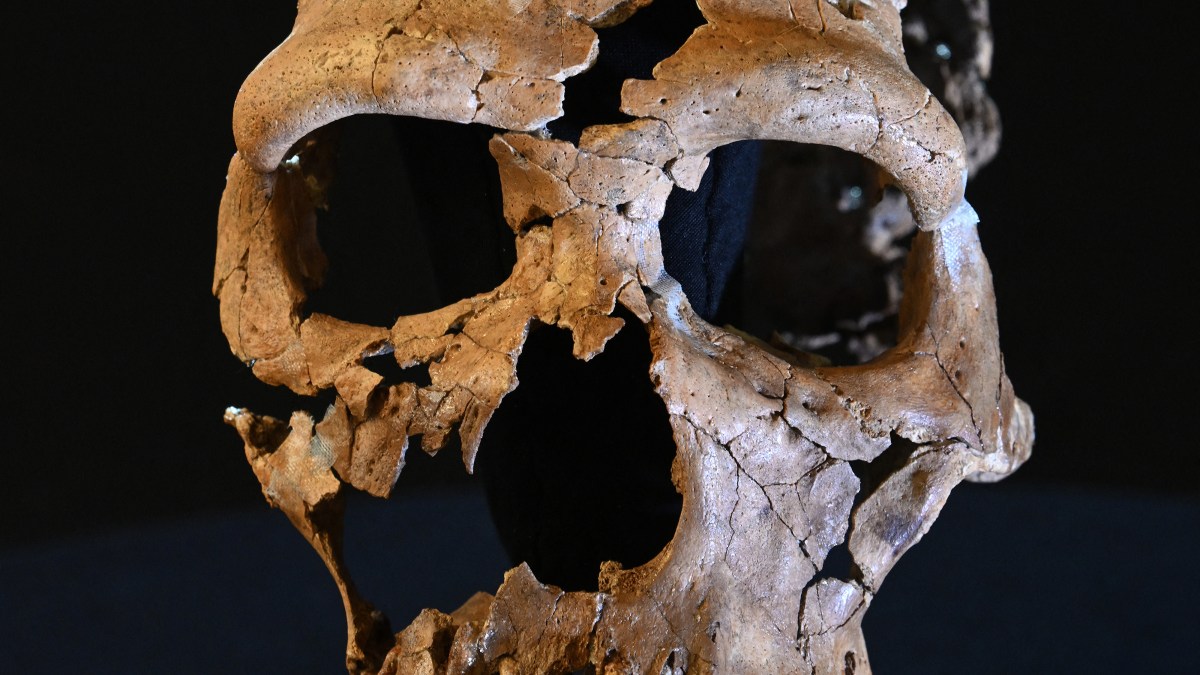
Laboratory-grown “mini-brains,” or organoids, may provide crucial insights into one of evolution’s most enduring questions: why did Homo sapiens thrive while Neanderthals ultimately went extinct? These miniature brain-like structures, roughly the size and shape of a peppercorn, are composed of self-organising living tissue derived from human stem cells. They offer a unique opportunity to study the early stages of brain development, although they do not possess thoughts, feelings, or consciousness.
A research team led by Dr. Alysson Muotri at the University of California San Diego has conducted a groundbreaking experiment in which they introduced Neanderthal genes into some organoids while using modern human genes in others. Their findings, published in the journal Science Advances, suggest that environmental factors, specifically intermittent lead exposure, may have played a significant role in the fate of Neanderthals, who vanished from the fossil record approximately 40,000 years ago after inhabiting Europe and Asia for hundreds of thousands of years.
The study highlights the potential impact of lead exposure on brain development and function, particularly in early human ancestors. The researchers noted that lead, a toxic substance, could adversely affect cognitive abilities and overall health. Given that Neanderthals lived during a period when environmental changes were frequent, exposure to such toxins may have compromised their survival.
The implications of this research extend beyond the immediate findings; they open up new avenues for understanding how different environmental pressures can shape the course of evolution. This innovative study contrasts the cognitive capabilities of Neanderthals and modern humans, emphasizing the delicate interplay between genetics and environment in determining the survival of species.
The organoids used in the study are a testament to modern scientific advancements in regenerative medicine and neuroscience. By studying these mini-brains, researchers aim to uncover the underlying mechanisms that differentiate Homo sapiens from Neanderthals on a biological level. The work also raises ethical questions regarding the manipulation of genetic material and the extent to which scientists can recreate aspects of our evolutionary past.
As the research progresses, it may provide further clarity on the complex factors that led to the extinction of Neanderthals. The findings underscore the importance of interdisciplinary approaches in unraveling the mysteries of human evolution, combining genetics, environmental science, and neuroscience.
In conclusion, the study led by Dr. Muotri marks a significant step forward in our understanding of human evolution. By leveraging cutting-edge technology and innovative research methods, scientists may soon illuminate the reasons behind the survival of Homo sapiens and the eventual disappearance of Neanderthals, offering a richer perspective on our shared ancestry.

LaLiga Thrills: Key Highlights from Recent Fixtures Unveiled

Germany Intensifies Deportations of Afghan and Syrian Migrants

Shoppers Embrace Next’s £36 Knit as Trendy Christmas Alternative

Harbour Energy Announces 100 Job Cuts Amid Industry Challenges

Amy Childs Shares Weight Gain Journey, Emphasizing Self-Love

UK and US Set to Finalize Zero-Tariff Agreement on Pharmaceuticals

Liverpool Activates Backup Plan as Man City Targets Antoine Semenyo

British Father Drowns in Thailand After Being Swept Away by Waves

TorroFX Set to Transform Trading Landscape with Launch on December 1, 2025

Iconic 90s TV Show House Hits Market for £1.1 Million

Milk Bank Urges Mothers to Donate for Premature Babies’ Health

Alessia Russo Signs Long-Term Deal with Arsenal Ahead of WSL Season

Shoppers Flock to Discounted Neck Pillow on Amazon for Travel Comfort

Museums Body Critiques EHRC Proposals on Gender Facilities

Trump Visits Europe: Business, Politics, or Leisure?

Japanese Teen Sorato Shimizu Breaks U18 100m Record in 10 Seconds

Couple Shares Inspiring Love Story Defying Height Stereotypes

Anglian Water Raises Concerns Over Proposed AI Data Centre
-
 Entertainment2 months ago
Iconic 90s TV Show House Hits Market for £1.1 Million
-
 Lifestyle4 months ago
Milk Bank Urges Mothers to Donate for Premature Babies’ Health
-
 Sports3 months ago
Alessia Russo Signs Long-Term Deal with Arsenal Ahead of WSL Season
-
 Lifestyle4 months ago
Shoppers Flock to Discounted Neck Pillow on Amazon for Travel Comfort
-
 Politics4 months ago
Museums Body Critiques EHRC Proposals on Gender Facilities
-
 Business4 months ago
Trump Visits Europe: Business, Politics, or Leisure?
-
 Lifestyle4 months ago
Japanese Teen Sorato Shimizu Breaks U18 100m Record in 10 Seconds
-
 Politics4 months ago
Couple Shares Inspiring Love Story Defying Height Stereotypes
-
 World4 months ago
Anglian Water Raises Concerns Over Proposed AI Data Centre
-

 Sports4 months ago
Bournemouth Dominates Everton with 3-0 Victory in Premier League Summer Series
-

 World4 months ago
Wreckage of Missing Russian Passenger Plane Discovered in Flames
-

 Lifestyle4 months ago
Shoppers Rave About Roman’s £42 Midi Dress, Calling It ‘Elegant’