
Science
New Study Explores Evolutionary Roots of Humans’ Love for Alcohol

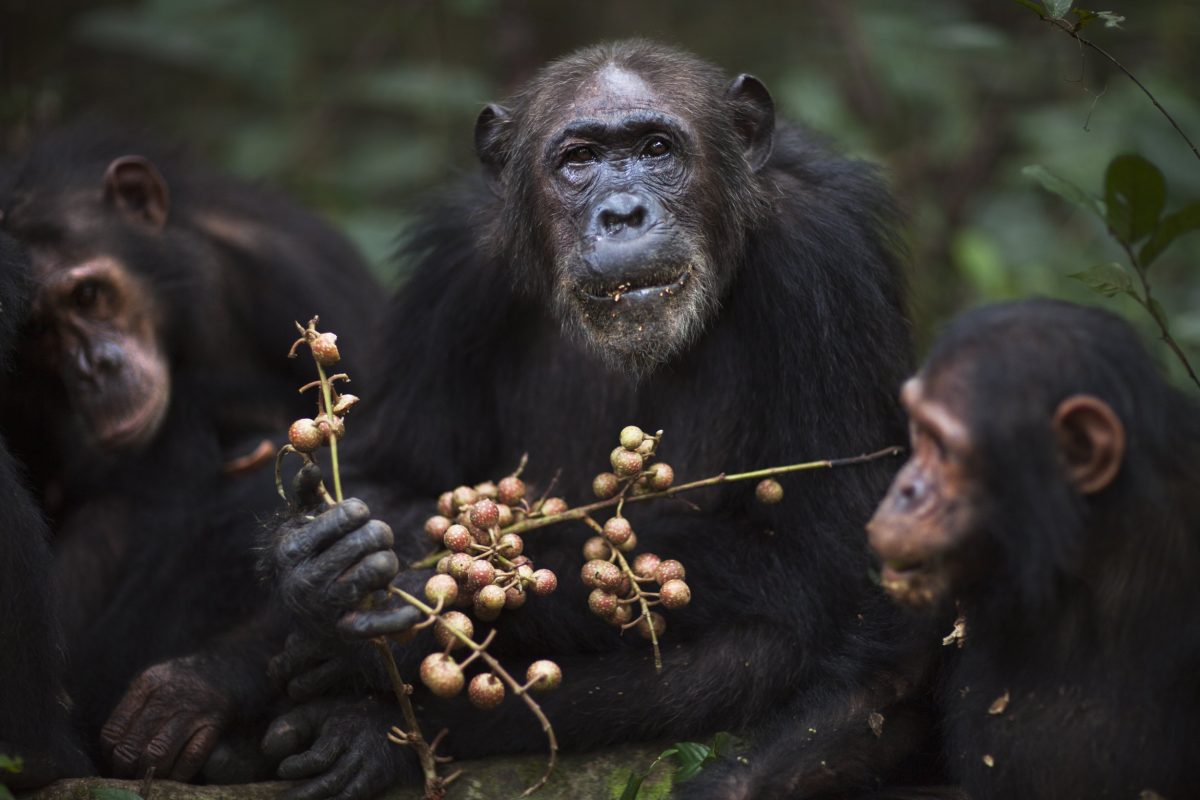
Research has provided new insights into why humans have a fondness for alcohol, suggesting our attraction may stem from evolutionary roots. The findings support the “drunken monkey” theory, which posits that our primate ancestors developed a taste for the smell and flavor of alcohol found in ripe, fermenting fruits. This theory was originally proposed by Professor Robert Dudley of the University of California, Berkeley, in his 2014 book, *The Drunken Monkey: Why We Drink and Abuse Alcohol*.
Alcohol is prevalent in nature, primarily due to the fermentation processes that occur in ripe fruits. According to Dudley, around 100 million years ago, plants began encasing their seeds in nutritious fruits to encourage animals to consume them, dispersing the seeds in the process. As fruit ripens, naturally occurring yeast feeds on its sugars, producing alcohol. This creates an “ethanol plume” that could attract primates, helping them locate calorie-rich food amidst dense foliage.
Aleksey Maro, a primatologist and collaborator with Dudley, highlights that the ethanol plume serves as a “signpost” for monkeys navigating their environments. The ability to detect this scent could provide a significant advantage in finding food sources.
Despite initial skepticism regarding the drunken monkey theory, growing evidence has emerged of primates consuming fermented fruit. Dr. Kimberley Hockings, a chimpanzee expert at the University of Exeter, noted that her observations of wild chimpanzees indicated they often eat fermenting breadfruit, sometimes sharing it with others.
To further investigate, Maro’s team analyzed the typical diet of wild chimpanzees in Uganda and Ivory Coast. They recorded the types and quantities of fruits consumed, measuring their alcohol content. The researchers found that chimpanzees consume an average of 14 grams of ethanol daily, equivalent to about two glasses of wine for a human. This research was published in the journal *Science Advances*.
While this level of alcohol consumption does not imply that the chimpanzees become intoxicated—since they consume it gradually throughout the day—it does indicate that alcohol forms a regular part of their diet. Moreover, chimps can utilize alcohol as an energy source, a trait shared with humans. Recent findings revealed that an enzyme responsible for breaking down alcohol became more efficient in our primate ancestors around 10 million years ago, coinciding with the evolutionary split from the chimpanzee lineage approximately six million years ago.
As early humans transitioned from arboreal to terrestrial lifestyles, they likely encountered more overripe and fermenting fruit, increasing their alcohol intake during this significant evolutionary phase. This historical context may explain the widespread human affinity for alcohol today. Evidence suggests that the intentional fermentation of fruits and grains to produce alcoholic beverages dates back to the dawn of agriculture, around 10,000 years ago.
Despite this deep-rooted connection to alcohol, experts caution against its excessive consumption in modern contexts. Maro points out that contemporary humans have access to concentrated doses of alcohol that can be consumed rapidly, a practice that is unnatural for wild animals. He suggests that this could explain the challenges many individuals face with alcohol today.
Additionally, Dr. Lorenzo Stafford, a psychologist at the University of Portsmouth, indicates that the human desire to alter consciousness is a fundamental aspect of our nature. Throughout history, various civilizations have utilized substances like alcohol, tobacco, and cannabis for this purpose, highlighting a longstanding relationship with mind-altering substances.
The exploration of our evolutionary ties to alcohol not only sheds light on human behavior but also raises important considerations regarding consumption patterns in contemporary society. As research continues to uncover the roots of our affinity for alcohol, it remains vital to navigate this complex relationship with awareness and responsibility.

Marie Helvin Discusses Dating Challenges and Body Confidence at 73

Danny Morrison Reflects on United Ireland, Gerry Adams, and Stormont’s Future

Southampton University and Siemens Collaborate to Advance MEMS Technology

Barcelona’s Deco Highlights Rashford’s Burden at Manchester United

Rolls-Royce Shares Surge 77% in 2025: What’s Next for Investors?

Welsh Ambulance Service Targets Frequent 999 Callers for Support

Welsh Ambulance Service Targets Frequent 999 Callers for Better Care

Bremen’s Marble Imaging Secures €5.3M for Revolutionary Satellites

WNBA and Players Association Secure 40-Day Extension on CBA Talks

Iconic 90s TV Show House Hits Market for £1.1 Million

Milk Bank Urges Mothers to Donate for Premature Babies’ Health

Alessia Russo Signs Long-Term Deal with Arsenal Ahead of WSL Season

Shoppers Flock to Discounted Neck Pillow on Amazon for Travel Comfort

Museums Body Critiques EHRC Proposals on Gender Facilities

Trump Visits Europe: Business, Politics, or Leisure?

Japanese Teen Sorato Shimizu Breaks U18 100m Record in 10 Seconds

Couple Shares Inspiring Love Story Defying Height Stereotypes

Anglian Water Raises Concerns Over Proposed AI Data Centre
-
 Entertainment2 months ago
Iconic 90s TV Show House Hits Market for £1.1 Million
-
 Lifestyle4 months ago
Milk Bank Urges Mothers to Donate for Premature Babies’ Health
-
 Sports3 months ago
Alessia Russo Signs Long-Term Deal with Arsenal Ahead of WSL Season
-
 Lifestyle4 months ago
Shoppers Flock to Discounted Neck Pillow on Amazon for Travel Comfort
-
 Politics4 months ago
Museums Body Critiques EHRC Proposals on Gender Facilities
-
 Business4 months ago
Trump Visits Europe: Business, Politics, or Leisure?
-
 Lifestyle4 months ago
Japanese Teen Sorato Shimizu Breaks U18 100m Record in 10 Seconds
-
 Politics4 months ago
Couple Shares Inspiring Love Story Defying Height Stereotypes
-
 World4 months ago
Anglian Water Raises Concerns Over Proposed AI Data Centre
-

 Sports4 months ago
Bournemouth Dominates Everton with 3-0 Victory in Premier League Summer Series
-

 World4 months ago
Wreckage of Missing Russian Passenger Plane Discovered in Flames
-

 Lifestyle4 months ago
Shoppers Rave About Roman’s £42 Midi Dress, Calling It ‘Elegant’