
Science
Scientists Deploy Micro-Transmitters to Track Invasive Hornets

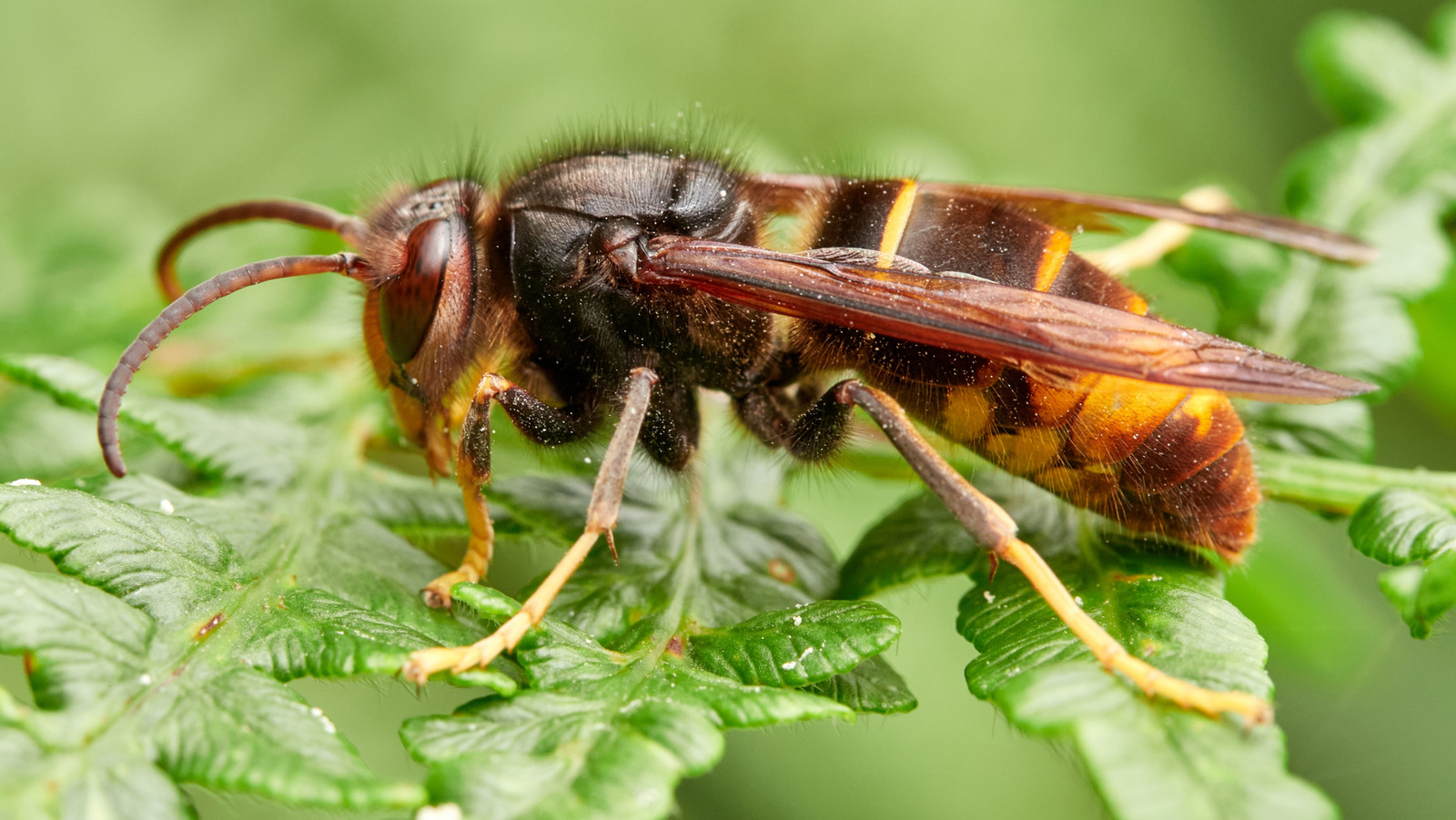
Asian hornets pose a significant threat to local biodiversity as they aggressively prey on bees and other pollinators. To address the growing concern over these invasive species, particularly in the U.K., scientists have introduced an innovative solution: micro-transmitters fitted onto the insects to track their movements and locate their nests.
In recent years, sightings of Asian hornets have surged, prompting the National Bee Unit to explore advanced tracking methods. Traditional nest tracking methods involve extensive labor and time, often requiring experts to bait and monitor hornets manually. The introduction of micro-transmitters marks a significant shift in how researchers plan to tackle this invasive species.
The micro-transmitters, which weigh less than 160 milligrams, are designed to be lightweight enough for hornets to carry without hindrance. Equipped with short antennas, these devices can be easily attached and reused, providing a sustainable approach to tracking. The U.K.’s Animal and Plant Health Agency (APHA) has successfully conducted field tests, leading to plans for deploying four sets of these micro-transmitters to identify hornet nests.
According to APHA, attaching a micro-transmitter takes approximately five seconds. The process begins with experts visiting locations where the hornets have been sighted. They set up bait stations, and once a hornet feeds, it is marked with a pen. If the same hornet returns, it is fitted with the micro-transmitter and subsequently released.
As the hornet returns to its nest, its location can be tracked using a combination of handheld directional receivers, drones, or a mobile application. The tracking devices offer a range of up to 0.6 miles, enabling researchers to pinpoint the nests effectively. The BBC has reported on the promising results of this initiative, emphasizing its potential as a cost-effective solution to an escalating problem.
The rechargeable battery pack powering the micro-transmitters adds to their appeal, making them a practical choice for ongoing use. Additionally, the Asian Hornet Watch app has played a crucial role in this mission, logging approximately 30,000 reports last year. This crowd-sourced platform allows citizens to report sightings of Asian hornets, contributing valuable data to researchers.
The tracking devices provide real-time feedback via LED indicators and audio signals, guiding experts directly to the nests. APHA encourages public participation, offering a comprehensive guide on identifying yellow-legged hornets and urging citizens to report any sightings through the online form or the Asian Hornet Watch app, available for both iOS and Android platforms.
This initiative is part of a broader series of strategies aimed at controlling the Asian hornet population. Interestingly, similar innovative tracking concepts have been explored in the past, including the CIA’s controversial Project Acoustic Kitty, which aimed to use cats equipped with transmitters for espionage purposes.
As scientists continue to develop and refine these tracking methods, the fight against invasive Asian hornets takes on a new dimension, blending technology with ecological preservation efforts.

Cattle Showcases Thrive at RUAS Winter Fair 2023

UK and US Strike Zero Tariff Agreement on Pharmaceuticals

Maya Jama Stuns in Strapless Ensemble at Qatar Grand Prix

Russia and Saudi Arabia Launch Visa-Free Travel Agreement

ISOLDE Facility Marks 10 Years of Advancements in Nuclear Research

Voters Demand Resignation of Chancellor Rachel Reeves Over Tax Hikes

Shoppers Save 30% on Marks & Spencer’s Viral Velvet Dress

Health Campaigners Urge End to Smoking Exemption for Lounges

Charity Shop Surprise: Woman Finds Joggers Worth £2,000 for £8

Iconic 90s TV Show House Hits Market for £1.1 Million

Milk Bank Urges Mothers to Donate for Premature Babies’ Health

Alessia Russo Signs Long-Term Deal with Arsenal Ahead of WSL Season

Shoppers Flock to Discounted Neck Pillow on Amazon for Travel Comfort

Museums Body Critiques EHRC Proposals on Gender Facilities

Trump Visits Europe: Business, Politics, or Leisure?

Japanese Teen Sorato Shimizu Breaks U18 100m Record in 10 Seconds

Couple Shares Inspiring Love Story Defying Height Stereotypes

Anglian Water Raises Concerns Over Proposed AI Data Centre
-
 Entertainment2 months ago
Iconic 90s TV Show House Hits Market for £1.1 Million
-
 Lifestyle4 months ago
Milk Bank Urges Mothers to Donate for Premature Babies’ Health
-
 Sports3 months ago
Alessia Russo Signs Long-Term Deal with Arsenal Ahead of WSL Season
-
 Lifestyle4 months ago
Shoppers Flock to Discounted Neck Pillow on Amazon for Travel Comfort
-
 Politics4 months ago
Museums Body Critiques EHRC Proposals on Gender Facilities
-
 Business4 months ago
Trump Visits Europe: Business, Politics, or Leisure?
-
 Lifestyle4 months ago
Japanese Teen Sorato Shimizu Breaks U18 100m Record in 10 Seconds
-
 Politics4 months ago
Couple Shares Inspiring Love Story Defying Height Stereotypes
-
 World4 months ago
Anglian Water Raises Concerns Over Proposed AI Data Centre
-

 Sports4 months ago
Bournemouth Dominates Everton with 3-0 Victory in Premier League Summer Series
-

 World4 months ago
Wreckage of Missing Russian Passenger Plane Discovered in Flames
-

 Lifestyle4 months ago
Shoppers Rave About Roman’s £42 Midi Dress, Calling It ‘Elegant’