
Science
UK Diets Lack Key Nutrients: Selenium, Iodine, and Riboflavin Deficiencies Rise

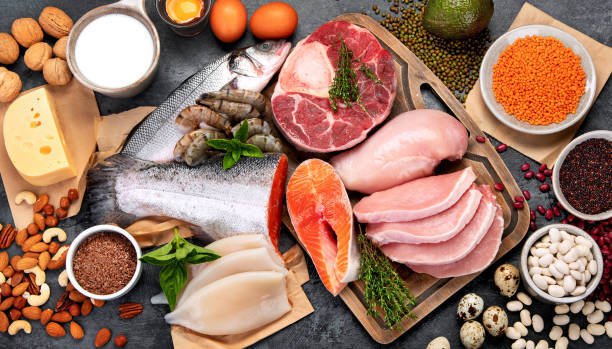
A recent analysis of the UK’s National Diet and Nutrition Survey has revealed significant deficiencies in three essential nutrients: selenium, iodine, and riboflavin (vitamin B2). The findings indicate that many individuals may not be aware of their lack of these nutrients, which are crucial for overall health.
The survey, published in 2023, highlights a worrying trend in dietary deficiencies since the last report in 2016. According to Bridget Benelam of the British Nutrition Foundation, the nation’s eating patterns suggest a failure to maintain a balanced diet. While deficiencies in vitamin D, folate (vitamin B9), iron, calcium, and potassium are more commonly recognized, this new data sheds light on less-discussed nutrient shortfalls.
Dr. Emma Derbyshire, a public health nutritionist at the Health & Food Supplements Information Service, noted that the increasing trend toward plant-based diets could be contributing to these deficiencies. She emphasized the importance of considering selenium, which is often overshadowed by other nutrients.
Selenium: Essential Yet Overlooked
Selenium is crucial for immune system function. Dr. Derbyshire pointed out that nearly half of adults surveyed did not meet the recommended dietary intake for this mineral. A deficiency can lead to increased susceptibility to infections, fatigue, muscle weakness, and decreased sperm quality in men. Food sources rich in selenium include meat, fish, eggs, Brazil nuts, lentils, and grains.
Concerns have also been raised in Parliament regarding low selenium levels in British farmland, which could be affecting the nutrient content of crops. Variability in selenium levels in UK soils has been documented, potentially exacerbating dietary deficiencies.
Iodine: A Key for Brain Development
Iodine is critical for synthesizing the hormone thyroxine, and its deficiency can have serious implications, particularly in pregnant women. The survey found that approximately 13 percent of adults do not consume enough iodine. Over the past decade, iodine levels measured in urine have dropped by a quarter, indicating a significant public health concern.
Dr. Derbyshire explained that while plant-based milks may be fortified with iodine, the amounts often fall short of what is necessary for optimal health. Seafood and dairy products are primary sources of iodine, making those who avoid these foods particularly vulnerable.
Riboflavin: Vital for Energy Metabolism
Riboflavin, or vitamin B2, plays a key role in energy metabolism. The survey indicated that 15 percent of adults and one-third of teenage girls are not getting enough riboflavin in their diets. Dietary sources include meat, eggs, dairy products, and certain green vegetables like spinach.
Benelam highlighted the need for individuals avoiding meat and animal products to consider supplements to prevent malnutrition. She noted that a balanced diet across all food groups should typically provide necessary nutrients, with the exception of vitamin D, which remains a challenge for many.
The complete analysis is published in the journal Food and Nutrition Sciences, underscoring the urgent need for increased awareness about these nutrient deficiencies in the UK. Addressing these gaps is crucial not only for current health but also for the well-being of future generations.

Voters Demand Resignation of Chancellor Rachel Reeves Over Tax Hikes

Shoppers Save 30% on Marks & Spencer’s Viral Velvet Dress

Health Campaigners Urge End to Smoking Exemption for Lounges

Charity Shop Surprise: Woman Finds Joggers Worth £2,000 for £8

Comet 3I/ATLAS Reveals Rare Metal Composition and Cryovolcanism

LaLiga Thrills: Key Highlights from Recent Fixtures Unveiled

Germany Intensifies Deportations of Afghan and Syrian Migrants

Shoppers Embrace Next’s £36 Knit as Trendy Christmas Alternative

Harbour Energy Announces 100 Job Cuts Amid Industry Challenges

Iconic 90s TV Show House Hits Market for £1.1 Million

Milk Bank Urges Mothers to Donate for Premature Babies’ Health

Alessia Russo Signs Long-Term Deal with Arsenal Ahead of WSL Season

Shoppers Flock to Discounted Neck Pillow on Amazon for Travel Comfort

Museums Body Critiques EHRC Proposals on Gender Facilities

Trump Visits Europe: Business, Politics, or Leisure?

Japanese Teen Sorato Shimizu Breaks U18 100m Record in 10 Seconds

Couple Shares Inspiring Love Story Defying Height Stereotypes

Anglian Water Raises Concerns Over Proposed AI Data Centre
-
 Entertainment2 months ago
Iconic 90s TV Show House Hits Market for £1.1 Million
-
 Lifestyle4 months ago
Milk Bank Urges Mothers to Donate for Premature Babies’ Health
-
 Sports3 months ago
Alessia Russo Signs Long-Term Deal with Arsenal Ahead of WSL Season
-
 Lifestyle4 months ago
Shoppers Flock to Discounted Neck Pillow on Amazon for Travel Comfort
-
 Politics4 months ago
Museums Body Critiques EHRC Proposals on Gender Facilities
-
 Business4 months ago
Trump Visits Europe: Business, Politics, or Leisure?
-
 Lifestyle4 months ago
Japanese Teen Sorato Shimizu Breaks U18 100m Record in 10 Seconds
-
 Politics4 months ago
Couple Shares Inspiring Love Story Defying Height Stereotypes
-
 World4 months ago
Anglian Water Raises Concerns Over Proposed AI Data Centre
-

 Sports4 months ago
Bournemouth Dominates Everton with 3-0 Victory in Premier League Summer Series
-

 World4 months ago
Wreckage of Missing Russian Passenger Plane Discovered in Flames
-

 Lifestyle4 months ago
Shoppers Rave About Roman’s £42 Midi Dress, Calling It ‘Elegant’