
Top Stories
Bank of England’s Rate Decisions Raise Questions on Inflation Control

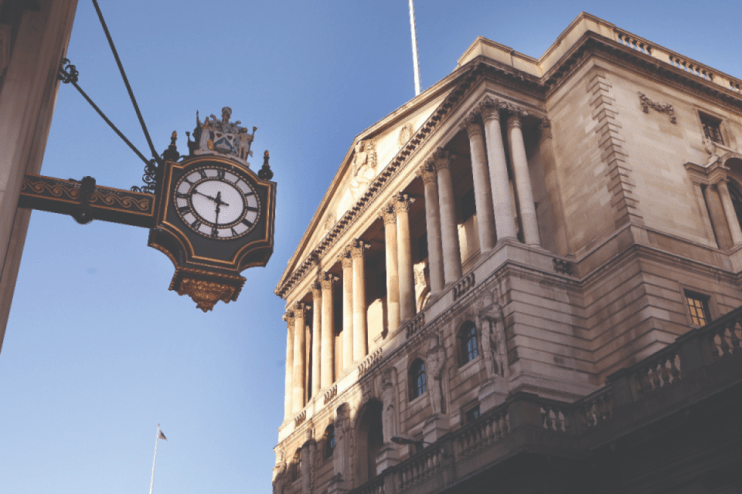
The relationship between the Bank of England’s interest rate decisions and inflation control is under scrutiny following recent policy actions. Despite the Bank’s assertion that the Bank Rate is the primary tool for managing inflation, its decision to maintain the rate at 4 percent while inflation hovers at 3.8 percent raises questions about the effectiveness of this strategy. Paul Ormerod, an economist and Honorary Professor at the Alliance Business School, argues that the Monetary Policy Committee (MPC) may be underestimating the complexities of controlling inflation.
According to the Bank of England, its objective is to achieve low and stable inflation, specifically targeting a 2 percent inflation rate over the medium term. Yet, inflation remains significantly above this target, prompting further analysis of the MPC’s recent decision to keep the Bank Rate unchanged. This follows a trend where, over the past two years, the only adjustments made have been reductions from a high of 5.25 percent in August 2023.
Challenging the Effectiveness of Monetary Policy
Ormerod highlights a perplexing trend: while the MPC has lowered the Bank Rate, inflation has continued to rise. If there were a straightforward correlation between the two, one might conclude that the MPC’s actions are misguided. However, the relationship between interest rates and inflation appears to be more complex.
For instance, there was a period from January 2014 to January 2017 when inflation remained below 2 percent, even dropping to zero, despite the Bank Rate being at historic lows of 0.25 percent or 0.5 percent. These rates, which have not been seen since the March 2009 cut, did not align with inflation trends during that time. Inflation fluctuated significantly, reaching 5 percent in 2011 before falling to zero four years later, showcasing the unpredictable nature of inflation relative to the Bank Rate.
External Factors and Economic Conditions
Several external factors influence inflation, chief among them the global energy prices that surged in 2021 and 2022. Despite these fluctuations, the MPC has consistently overestimated how quickly inflation would decline, particularly as the economy has shown sluggish growth since the Labour government assumed office in July 2024. The current economic climate, characterized by low demand, should theoretically deter companies from raising prices and cause workers to moderate their wage expectations.
Recent data indicates that wage growth has slowed modestly, with annual pay increases now at 4.7 percent, down from just above 5 percent earlier in the year. With wages being the largest component of overall costs in the economy, any increases without corresponding productivity growth translate directly into higher prices for consumers.
Furthermore, the rise in worklessness is creating a unique dynamic within the labor market. As more individuals exit the workforce, those who remain gain increased bargaining power. This phenomenon complicates the traditional relationship between slow economic growth and wage moderation, suggesting that inflation may be more persistent than the MPC anticipates.
In conclusion, the current state of inflation in the UK points to a significant inertia that the MPC has not fully grasped. With the Bank Rate at 4 percent, Ormerod advocates for a more aggressive approach; he suggests that if the MPC is serious about achieving its 2 percent inflation target, a substantial increase in the Bank Rate may be necessary. The complexities of inflation control highlight the challenges faced by the Bank of England and its efforts to stabilize the economy amidst shifting global dynamics.

Cattle Showcases Thrive at RUAS Winter Fair 2023

UK and US Strike Zero Tariff Agreement on Pharmaceuticals

Maya Jama Stuns in Strapless Ensemble at Qatar Grand Prix

Russia and Saudi Arabia Launch Visa-Free Travel Agreement

ISOLDE Facility Marks 10 Years of Advancements in Nuclear Research

Voters Demand Resignation of Chancellor Rachel Reeves Over Tax Hikes

Shoppers Save 30% on Marks & Spencer’s Viral Velvet Dress

Health Campaigners Urge End to Smoking Exemption for Lounges

Charity Shop Surprise: Woman Finds Joggers Worth £2,000 for £8

Iconic 90s TV Show House Hits Market for £1.1 Million

Milk Bank Urges Mothers to Donate for Premature Babies’ Health

Alessia Russo Signs Long-Term Deal with Arsenal Ahead of WSL Season

Shoppers Flock to Discounted Neck Pillow on Amazon for Travel Comfort

Museums Body Critiques EHRC Proposals on Gender Facilities

Trump Visits Europe: Business, Politics, or Leisure?

Japanese Teen Sorato Shimizu Breaks U18 100m Record in 10 Seconds

Couple Shares Inspiring Love Story Defying Height Stereotypes

Anglian Water Raises Concerns Over Proposed AI Data Centre
-
 Entertainment2 months ago
Iconic 90s TV Show House Hits Market for £1.1 Million
-
 Lifestyle4 months ago
Milk Bank Urges Mothers to Donate for Premature Babies’ Health
-
 Sports3 months ago
Alessia Russo Signs Long-Term Deal with Arsenal Ahead of WSL Season
-
 Lifestyle4 months ago
Shoppers Flock to Discounted Neck Pillow on Amazon for Travel Comfort
-
 Politics4 months ago
Museums Body Critiques EHRC Proposals on Gender Facilities
-
 Business4 months ago
Trump Visits Europe: Business, Politics, or Leisure?
-
 Lifestyle4 months ago
Japanese Teen Sorato Shimizu Breaks U18 100m Record in 10 Seconds
-
 Politics4 months ago
Couple Shares Inspiring Love Story Defying Height Stereotypes
-
 World4 months ago
Anglian Water Raises Concerns Over Proposed AI Data Centre
-

 Sports4 months ago
Bournemouth Dominates Everton with 3-0 Victory in Premier League Summer Series
-

 World4 months ago
Wreckage of Missing Russian Passenger Plane Discovered in Flames
-

 Lifestyle4 months ago
Shoppers Rave About Roman’s £42 Midi Dress, Calling It ‘Elegant’