
Top Stories
China’s Ming Yang Proposes £1.5 Billion Wind Farm Investment

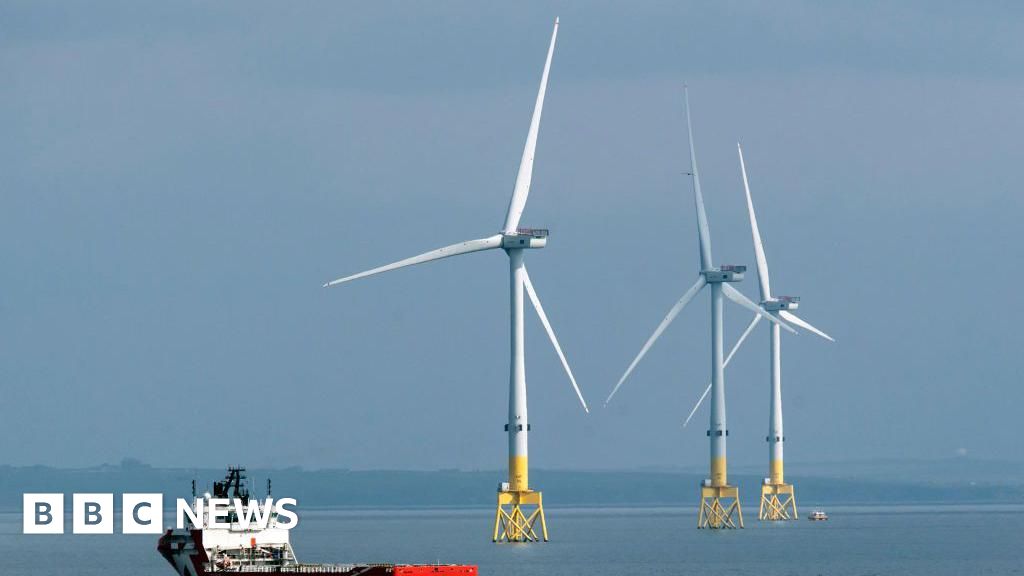
The potential establishment of a wind turbine manufacturing facility by Chinese company Ming Yang in Scotland has sparked significant debate regarding its implications for national security and economic strategy. The proposed investment of £1.5 billion promises to create approximately 1,500 jobs, with projections suggesting the possibility of doubling that figure. This investment represents a considerable opportunity for Scottish manufacturing, particularly in the burgeoning renewable energy sector.
Located in Ardersier, just east of Inverness, the facility would focus on producing turbine blades exceeding 100 meters in length and nacelles, which are essential components of wind turbines. The site, under the management of Haventus, spans 350 acres, roughly equivalent to 180 football pitches. With an ongoing £400 million development aimed at capitalizing on the anticipated boom in offshore renewables by the end of the decade, Ardersier stands as Europe’s largest industrial facility of its type.
The proposal has garnered attention not only for its economic potential but also due to the geopolitical context surrounding China’s increasing influence. The timing of Ming Yang‘s announcement on October 10, 2023 indicated the company’s desire to apply pressure on the UK government for approval, knowing the complex dynamics of UK-China relations. The announcement came amid rising tensions in UK politics concerning how to manage ties with China, particularly following the collapse of a spying trial involving British citizens accused of espionage.
Recent witness statements have underscored that China poses a significant threat to UK economic security, with concerns about its capabilities for large-scale espionage. While the UK has historically sought to strengthen trade relations with China, recognizing it as a crucial partner in manufacturing and technology, there exists a growing wariness regarding its ambitions and methods.
China’s aggressive economic strategies, exemplified by initiatives such as the Belt and Road Initiative, have raised concerns globally. These strategies ensure access to critical raw materials while establishing economic dependencies in developing countries. In the UK, these dynamics have raised alarms particularly in the context of manufacturing sectors, where competition from Chinese companies has intensified.
The implications of Ming Yang‘s investment extend beyond job creation and manufacturing. The company’s involvement in turbine production raises questions about potential monopolistic practices that could undermine local competitors. The wind turbine industry relies heavily on rare earth elements, a sector where China holds significant market control. This mirrors trends observed in the electric vehicle market, where Chinese manufacturers have rapidly increased their share, prompting concerns about the survival of UK-based companies.
Moreover, the software that governs wind turbine operations presents another layer of risk. Experts have suggested that potential vulnerabilities could allow manufacturers to insert malicious code that compromises the functionality of turbines, especially in adverse weather conditions. This risk poses a significant threat to the UK’s energy infrastructure, which increasingly relies on renewable sources.
The relationship between Ming Yang and Octopus Energy, the largest energy retailer in the UK, further complicates the situation. Their recently signed Memorandum of Understanding aims to explore collaborative opportunities, potentially positioning Ming Yang as a major supplier for the growing renewable energy market. While Octopus insists that the partnership would not be exclusive, there are concerns that lower-cost production from Ming Yang could disrupt existing suppliers in the market.
In light of these multifaceted challenges, the response from the UK government remains cautious. The Department for Business has indicated that all investment decisions will align with national security interests, but has not provided detailed insights into its current stance on Chinese investment. Meanwhile, the Scottish government acknowledges the potential benefits of Ming Yang’s investment while recognizing it is contingent upon a decision from Westminster.
As discussions continue, the potential for Ming Yang to establish a manufacturing facility in Ardersier encapsulates the delicate balancing act the UK faces between fostering economic growth through foreign investment and safeguarding national security. The outcome of this investment could significantly influence the future landscape of renewable energy in Scotland and the broader UK, amidst the backdrop of high-stakes international relations.

Cattle Showcases Thrive at RUAS Winter Fair 2023

UK and US Strike Zero Tariff Agreement on Pharmaceuticals

Maya Jama Stuns in Strapless Ensemble at Qatar Grand Prix

Russia and Saudi Arabia Launch Visa-Free Travel Agreement

ISOLDE Facility Marks 10 Years of Advancements in Nuclear Research

Voters Demand Resignation of Chancellor Rachel Reeves Over Tax Hikes

Shoppers Save 30% on Marks & Spencer’s Viral Velvet Dress

Health Campaigners Urge End to Smoking Exemption for Lounges

Charity Shop Surprise: Woman Finds Joggers Worth £2,000 for £8

Iconic 90s TV Show House Hits Market for £1.1 Million

Milk Bank Urges Mothers to Donate for Premature Babies’ Health

Alessia Russo Signs Long-Term Deal with Arsenal Ahead of WSL Season

Shoppers Flock to Discounted Neck Pillow on Amazon for Travel Comfort

Museums Body Critiques EHRC Proposals on Gender Facilities

Trump Visits Europe: Business, Politics, or Leisure?

Japanese Teen Sorato Shimizu Breaks U18 100m Record in 10 Seconds

Couple Shares Inspiring Love Story Defying Height Stereotypes

Anglian Water Raises Concerns Over Proposed AI Data Centre
-
 Entertainment2 months ago
Iconic 90s TV Show House Hits Market for £1.1 Million
-
 Lifestyle4 months ago
Milk Bank Urges Mothers to Donate for Premature Babies’ Health
-
 Sports3 months ago
Alessia Russo Signs Long-Term Deal with Arsenal Ahead of WSL Season
-
 Lifestyle4 months ago
Shoppers Flock to Discounted Neck Pillow on Amazon for Travel Comfort
-
 Politics4 months ago
Museums Body Critiques EHRC Proposals on Gender Facilities
-
 Business4 months ago
Trump Visits Europe: Business, Politics, or Leisure?
-
 Lifestyle4 months ago
Japanese Teen Sorato Shimizu Breaks U18 100m Record in 10 Seconds
-
 Politics4 months ago
Couple Shares Inspiring Love Story Defying Height Stereotypes
-
 World4 months ago
Anglian Water Raises Concerns Over Proposed AI Data Centre
-

 Sports4 months ago
Bournemouth Dominates Everton with 3-0 Victory in Premier League Summer Series
-

 World4 months ago
Wreckage of Missing Russian Passenger Plane Discovered in Flames
-

 Lifestyle4 months ago
Shoppers Rave About Roman’s £42 Midi Dress, Calling It ‘Elegant’