
Top Stories
EU Imposes 50% Steel Tariff, Threatening UK’s Industry Stability

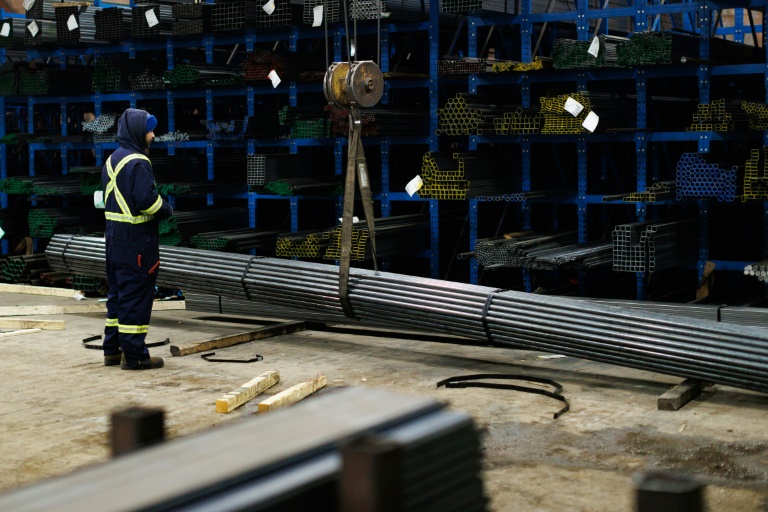
The European Union has announced plans to impose a 50% tariff on steel imports, a move that has raised alarms within the UK’s steel industry. This decision, revealed by the European Commission on March 5, 2024, includes a halving of the quota for tariff-free steel imports. Experts warn that this could trigger a crisis for the sector, potentially the worst it has faced in decades.
The new tariffs will apply to any steel shipments exceeding the reduced quota, impacting the UK’s exports significantly. The EU represents the largest market for British steel, accounting for nearly £3 billion annually and encompassing almost 80% of the country’s steel exports. Industry leaders express concerns that losing access to this market could be devastating.
Gareth Stace, director-general of UK Steel, emphasized the potential fallout, stating, “This could be the biggest crisis the UK steel industry has ever faced. For many companies, this is the difference between survival and collapse.” He noted that the new tariffs would effectively price British steel out of the European market, exacerbating an already challenging situation.
Brussels officials defended the tariffs as a necessary measure to protect European steelmakers from cheaper imports, particularly from countries like China, Turkey, and India. An EU spokesperson remarked, “We have to protect our strategic industries and the millions of workers they employ.” They characterized the tariffs as temporary and targeted to ensure fair competition.
Despite these assurances, analysts in the UK have labeled the move as a form of protectionism. Alastair MacDonald, a trade economist, pointed out that UK steelmakers are currently facing numerous challenges, including high energy costs, complications following Brexit, and intense global competition. He stated, “British steel exports are facing obstacles on every side.”
In response to the EU’s announcement, the UK government has pledged to seek urgent clarification and explore measures to mitigate the impact on domestic steel manufacturers. A spokesperson for the Department for Business and Trade said, “We are in close contact with both the EU and the domestic steel sector to understand the full implications of these measures.” Officials are also considering bilateral negotiations and potentially appealing to the World Trade Organization if the tariffs are deemed to violate post-Brexit agreements.
The timing of the EU’s decision comes amid pressures from member states like France and Italy, which have been advocating for stricter import controls. They argue that low-cost Asian steel is undercutting their domestic production and jeopardizing thousands of jobs. Helen Frost, a trade consultant, commented on the broader implications, noting, “Europe is reacting to the same pressures facing every steel-producing nation.”
The imposition of these tariffs threatens to reignite post-Brexit trade tensions between London and Brussels, complicating efforts to rebuild trust between the two regions. Major steelmaking locations such as Port Talbot, Scunthorpe, and Rotherham could be significantly affected, leading to potential layoffs and plant closures.
Stace emphasized the importance of the steel industry to the UK’s industrial identity, stating, “These tariffs don’t just threaten factories, they threaten entire communities built around them.” As the situation develops, the new EU rules are expected to be finalized in the coming weeks, pending approval from member states and the European Parliament. If no exemptions or compromises are reached, UK steel exports could face these tariffs as early as next year.
While the European Commission maintains that the measures are temporary, many in the UK steel sector remain unconvinced. Once a cornerstone of British industry, the sector now faces yet another formidable challenge from its closest trading partners. Frost concluded, “We can only hope dialogue prevails. Otherwise, this could mark a turning point in Europe’s steel story, and not in a good way.”

Cattle Showcases Thrive at RUAS Winter Fair 2023

UK and US Strike Zero Tariff Agreement on Pharmaceuticals

Maya Jama Stuns in Strapless Ensemble at Qatar Grand Prix

Russia and Saudi Arabia Launch Visa-Free Travel Agreement

ISOLDE Facility Marks 10 Years of Advancements in Nuclear Research

Voters Demand Resignation of Chancellor Rachel Reeves Over Tax Hikes

Shoppers Save 30% on Marks & Spencer’s Viral Velvet Dress

Health Campaigners Urge End to Smoking Exemption for Lounges

Charity Shop Surprise: Woman Finds Joggers Worth £2,000 for £8

Iconic 90s TV Show House Hits Market for £1.1 Million

Milk Bank Urges Mothers to Donate for Premature Babies’ Health

Alessia Russo Signs Long-Term Deal with Arsenal Ahead of WSL Season

Shoppers Flock to Discounted Neck Pillow on Amazon for Travel Comfort

Museums Body Critiques EHRC Proposals on Gender Facilities

Trump Visits Europe: Business, Politics, or Leisure?

Japanese Teen Sorato Shimizu Breaks U18 100m Record in 10 Seconds

Couple Shares Inspiring Love Story Defying Height Stereotypes

Anglian Water Raises Concerns Over Proposed AI Data Centre
-
 Entertainment2 months ago
Iconic 90s TV Show House Hits Market for £1.1 Million
-
 Lifestyle4 months ago
Milk Bank Urges Mothers to Donate for Premature Babies’ Health
-
 Sports3 months ago
Alessia Russo Signs Long-Term Deal with Arsenal Ahead of WSL Season
-
 Lifestyle4 months ago
Shoppers Flock to Discounted Neck Pillow on Amazon for Travel Comfort
-
 Politics4 months ago
Museums Body Critiques EHRC Proposals on Gender Facilities
-
 Business4 months ago
Trump Visits Europe: Business, Politics, or Leisure?
-
 Lifestyle4 months ago
Japanese Teen Sorato Shimizu Breaks U18 100m Record in 10 Seconds
-
 Politics4 months ago
Couple Shares Inspiring Love Story Defying Height Stereotypes
-
 World4 months ago
Anglian Water Raises Concerns Over Proposed AI Data Centre
-

 Sports4 months ago
Bournemouth Dominates Everton with 3-0 Victory in Premier League Summer Series
-

 World4 months ago
Wreckage of Missing Russian Passenger Plane Discovered in Flames
-

 Lifestyle4 months ago
Shoppers Rave About Roman’s £42 Midi Dress, Calling It ‘Elegant’