
Top Stories
Kremlin’s Weaponized Narratives Undermine Western Support for Ukraine

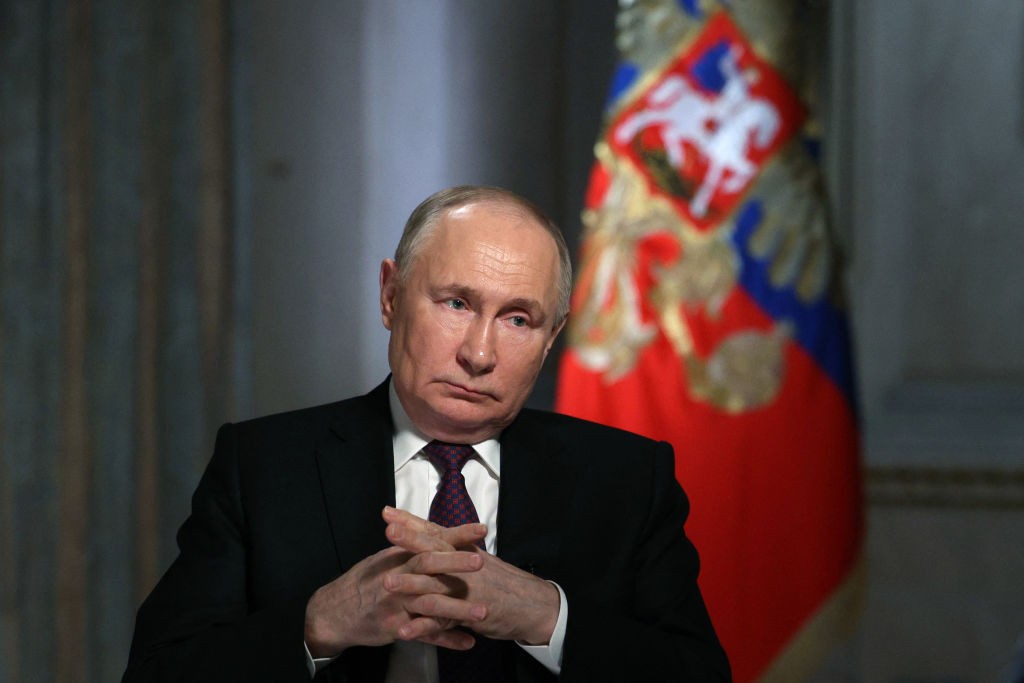
The ongoing conflict in Ukraine is shaped significantly by Russian narratives aimed at undermining Western support. Since the invasion of Ukraine in 2022, the Kremlin has effectively weaponized information, utilizing tactics reminiscent of its 2008 invasion of Georgia, where it combined military aggression with cyberattacks and disinformation campaigns. This multifaceted strategy has not only complicated the geopolitical landscape but also influenced perceptions and decisions among Western nations.
In the summer of 2008, Russian forces launched an invasion of Georgia, which was preceded by a series of cyberattacks targeting Georgian government and media platforms. These attacks were complemented by state-controlled media disseminating false narratives that framed Georgia as the aggressor, thereby justifying Russia’s actions. This approach has been a hallmark of Russian military strategy, employing both conventional warfare and psychological operations to sway public opinion and government responses.
The Kremlin’s narratives during the Ukraine conflict echo those used in Georgia, particularly in their portrayal of Ukraine’s leadership as illegitimate and their justification of military actions under the guise of protecting Russian-speaking populations. According to the Institute of Development of Freedom of Information (IDFI), these narratives aim to achieve a long-term cognitive impact, aligning the perceptions of both domestic and international audiences with Russian interests.
Five Key Kremlin Narratives
Currently, there are five primary narratives being propagated by the Kremlin, which serve to weaken Western resolve and manipulate public discourse around the conflict:
1. **Russia’s Invasion Justified**: The claim that the West, particularly NATO, is responsible for the war in Ukraine has been a consistent message from Russian officials. This narrative attempts to position Russia as a reluctant actor, forced into conflict by Western expansionism and military alliances. Despite being widely dismissed in the West, this narrative finds traction in various global contexts, especially among nations with historical grievances against Western powers.
2. **Desire for Peace**: The assertion that Russia seeks peace has been a recurring theme since 2014. As Russia amassed troops near Ukraine’s borders in late 2021, officials claimed that only pressure from the West would derail potential negotiations. However, this narrative has weakened lately, especially given Russia’s refusal to make meaningful concessions.
3. **Territorial Concessions Necessary**: The idea that Ukraine must cede territory to achieve peace has gained normalization in discussions around the conflict. Russia intensively promoted this narrative, particularly after its invasion in 2022, suggesting that Ukraine’s intransigence prolongs the war. This perception reflects a troubling tendency to expect the defending nation to make concessions to an aggressor.
4. **NATO Membership Off the Table**: Russia has long opposed Ukraine’s NATO aspirations, framing discussions about security guarantees as contingent upon Russian involvement. This narrative not only complicates diplomatic engagements but also reinforces Russia’s perception of itself as a central player in European security matters.
5. **Inevitability of Russian Victory**: The portrayal of Russian forces as “unstoppable” has permeated state media narratives since the onset of the conflict. Despite Ukraine’s military successes, this narrative has the potential to instill a defeatist mindset in Western capitals, undermining support for continued assistance to Ukraine.
Countering the Kremlin’s Influence
While these narratives have gained momentum, they are not impervious to challenge. A concerted effort from Western nations to promote alternative narratives grounded in international law and the principles of sovereignty could reshape the dialogue surrounding the conflict.
1. **Illegal Invasion**: The assertion that Russia’s military actions are an illegal and unprovoked act of aggression is essential. This narrative underscores that Russia is the root cause of the conflict and emphasizes the need for accountability.
2. **Withdrawal and Reparations**: Advocating for the withdrawal of Russian forces and demanding reparations for Ukraine would reinforce the message that territorial integrity will not be compromised.
3. **Ukraine’s Sovereignty**: Affirming Ukraine’s right to self-determination and its aspirations for NATO membership emphasizes its independence and autonomy, countering Russian attempts to undermine its legitimacy.
4. **Negotiation Accountability**: Framing negotiations as dependent on Russia’s willingness to engage meaningfully can place the onus on the Kremlin. It is vital for the West to maintain pressure on Russia to negotiate in good faith.
5. **Unified Support for Ukraine**: Highlighting the solidarity between the U.S., NATO, and Ukraine can counter Russian narratives designed to fracture Western alliances. This united front is critical in demonstrating that Russia’s efforts to sow discord have failed.
These counter-narratives need to be disseminated vigorously through media and public discourse to diminish the Kremlin’s influence. By consistently reinforcing these messages, Western nations can begin to erode the effectiveness of Russian propaganda and reclaim control over the information landscape.
The situation remains fluid, and the need for a robust response to Russian narratives has never been more urgent. As Russia attempts to manipulate perceptions and negotiations, the West must remain vigilant and proactive in its communications, ensuring that the truth prevails in the global conversation about Ukraine.

Marie Helvin Discusses Dating Challenges and Body Confidence at 73

Danny Morrison Reflects on United Ireland, Gerry Adams, and Stormont’s Future

Southampton University and Siemens Collaborate to Advance MEMS Technology

Barcelona’s Deco Highlights Rashford’s Burden at Manchester United

Rolls-Royce Shares Surge 77% in 2025: What’s Next for Investors?

Welsh Ambulance Service Targets Frequent 999 Callers for Support

Welsh Ambulance Service Targets Frequent 999 Callers for Better Care

Bremen’s Marble Imaging Secures €5.3M for Revolutionary Satellites

WNBA and Players Association Secure 40-Day Extension on CBA Talks

Iconic 90s TV Show House Hits Market for £1.1 Million

Milk Bank Urges Mothers to Donate for Premature Babies’ Health

Alessia Russo Signs Long-Term Deal with Arsenal Ahead of WSL Season

Shoppers Flock to Discounted Neck Pillow on Amazon for Travel Comfort

Museums Body Critiques EHRC Proposals on Gender Facilities

Trump Visits Europe: Business, Politics, or Leisure?

Japanese Teen Sorato Shimizu Breaks U18 100m Record in 10 Seconds

Couple Shares Inspiring Love Story Defying Height Stereotypes

Anglian Water Raises Concerns Over Proposed AI Data Centre
-
 Entertainment2 months ago
Iconic 90s TV Show House Hits Market for £1.1 Million
-
 Lifestyle4 months ago
Milk Bank Urges Mothers to Donate for Premature Babies’ Health
-
 Sports3 months ago
Alessia Russo Signs Long-Term Deal with Arsenal Ahead of WSL Season
-
 Lifestyle4 months ago
Shoppers Flock to Discounted Neck Pillow on Amazon for Travel Comfort
-
 Politics4 months ago
Museums Body Critiques EHRC Proposals on Gender Facilities
-
 Business4 months ago
Trump Visits Europe: Business, Politics, or Leisure?
-
 Lifestyle4 months ago
Japanese Teen Sorato Shimizu Breaks U18 100m Record in 10 Seconds
-
 Politics4 months ago
Couple Shares Inspiring Love Story Defying Height Stereotypes
-
 World4 months ago
Anglian Water Raises Concerns Over Proposed AI Data Centre
-

 Sports4 months ago
Bournemouth Dominates Everton with 3-0 Victory in Premier League Summer Series
-
 World4 months ago
Wreckage of Missing Russian Passenger Plane Discovered in Flames
-

 Lifestyle4 months ago
Shoppers Rave About Roman’s £42 Midi Dress, Calling It ‘Elegant’