
Top Stories
QPR’s £9 Million Gamble on Esteban Granero Fizzles Out

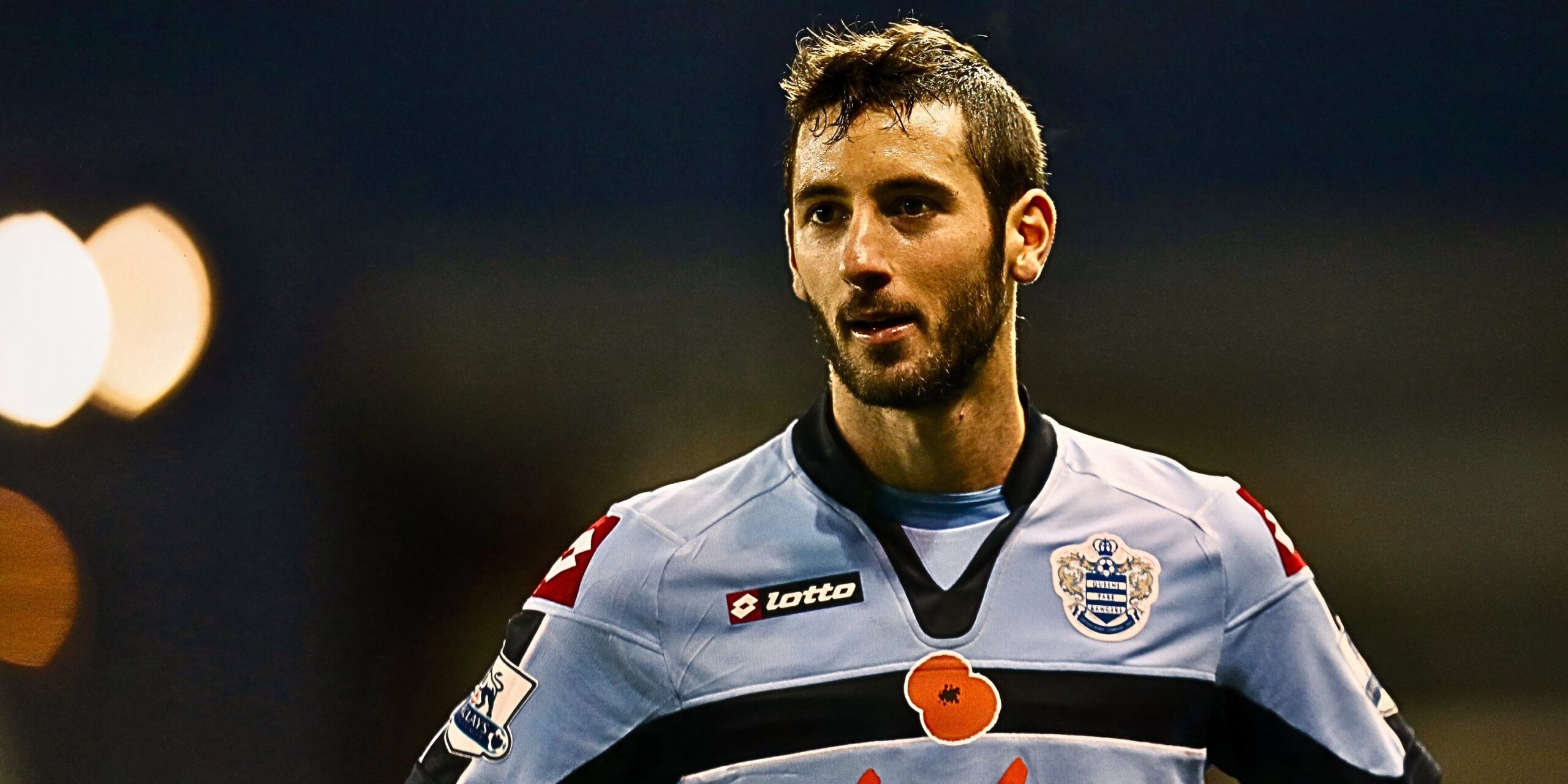
Queens Park Rangers (QPR) made headlines during the summer transfer window of 2012 with their high-profile signings, including a £9 million investment in midfielder Esteban Granero from Real Madrid. Despite the excitement surrounding his arrival, Granero’s stint at Loftus Road turned out to be a disappointing chapter for both player and club as they faced significant struggles in the Premier League.
Following a lucrative takeover by Tony Fernandes in 2011, QPR sought to bolster their squad after achieving promotion to the Premier League. They embarked on a spending spree, bringing in several notable players, including Joey Barton, Shaun Wright-Phillips, and Rio Ferdinand. The club’s recruitment strategy, however, proved erratic and lacked coherence, as they focused on signing recognizable names rather than building a cohesive team.
Granero was expected to be a key player in QPR’s midfield, having previously impressed in La Liga with Getafe. His technical skills and experience with Real Madrid made him a sought-after talent. Yet, under the management of Mark Hughes, QPR struggled to find their footing. The team went winless in their opening 16 matches of the season, leading to Hughes’ departure in November 2012 and the appointment of Harry Redknapp.
The pressure mounted on Granero as QPR’s fortunes dwindled. Initially, he showed promise, playing 90 minutes in a tough match against Manchester City and scoring in a hard-fought loss to West Bromwich Albion. However, he found it challenging to adapt to Redknapp’s tactics, which did not favor his playing style. After a brief stint as a starter, Granero’s appearances dwindled, and he spent much of the second half of the season as an unused substitute.
QPR’s Misguided Strategy and Granero’s Departure
Granero’s struggle at QPR was emblematic of the club’s broader issues during this tumultuous period. They had survived the previous season largely due to the misfortunes of other teams rather than their own strategic planning. The team’s chaotic approach to recruitment, with a focus on high-profile signings, ultimately backfired, leading to two relegations from the Premier League in just three years.
Granero’s time at QPR ended with his move to Real Sociedad, where he found a more suitable environment to showcase his talents. In hindsight, a transfer to a club like Swansea City, known for their possession-based style of play, would have aligned better with Granero’s abilities. Swansea, managed by Michael Laudrup, had established a reputation for playing attractive football, contrasting sharply with QPR’s struggles.
Despite his challenges in England, Granero continued to excel in La Liga, where he resumed his career with renewed vigor. His experience at QPR serves as a cautionary tale about the pitfalls of high-stakes recruitment without a clear strategy. As QPR remains absent from the Premier League since their last relegation, the club’s approach during this era has been widely criticized, marking a significant chapter in their history.
Ultimately, Granero’s move to QPR was a missed opportunity for both the player and the club, illustrating the risks associated with impulsive spending in football, especially when it lacks a coherent vision for success.

Marie Helvin Discusses Dating Challenges and Body Confidence at 73

Danny Morrison Reflects on United Ireland, Gerry Adams, and Stormont’s Future

Southampton University and Siemens Collaborate to Advance MEMS Technology

Barcelona’s Deco Highlights Rashford’s Burden at Manchester United

Rolls-Royce Shares Surge 77% in 2025: What’s Next for Investors?

Welsh Ambulance Service Targets Frequent 999 Callers for Support

Welsh Ambulance Service Targets Frequent 999 Callers for Better Care

Bremen’s Marble Imaging Secures €5.3M for Revolutionary Satellites

WNBA and Players Association Secure 40-Day Extension on CBA Talks

Iconic 90s TV Show House Hits Market for £1.1 Million

Milk Bank Urges Mothers to Donate for Premature Babies’ Health

Alessia Russo Signs Long-Term Deal with Arsenal Ahead of WSL Season

Shoppers Flock to Discounted Neck Pillow on Amazon for Travel Comfort

Museums Body Critiques EHRC Proposals on Gender Facilities

Trump Visits Europe: Business, Politics, or Leisure?

Japanese Teen Sorato Shimizu Breaks U18 100m Record in 10 Seconds

Couple Shares Inspiring Love Story Defying Height Stereotypes

Anglian Water Raises Concerns Over Proposed AI Data Centre
-
 Entertainment2 months ago
Iconic 90s TV Show House Hits Market for £1.1 Million
-
 Lifestyle4 months ago
Milk Bank Urges Mothers to Donate for Premature Babies’ Health
-
 Sports3 months ago
Alessia Russo Signs Long-Term Deal with Arsenal Ahead of WSL Season
-
 Lifestyle4 months ago
Shoppers Flock to Discounted Neck Pillow on Amazon for Travel Comfort
-
 Politics4 months ago
Museums Body Critiques EHRC Proposals on Gender Facilities
-
 Business4 months ago
Trump Visits Europe: Business, Politics, or Leisure?
-
 Lifestyle4 months ago
Japanese Teen Sorato Shimizu Breaks U18 100m Record in 10 Seconds
-
 Politics4 months ago
Couple Shares Inspiring Love Story Defying Height Stereotypes
-
 World4 months ago
Anglian Water Raises Concerns Over Proposed AI Data Centre
-
 Sports4 months ago
Bournemouth Dominates Everton with 3-0 Victory in Premier League Summer Series
-

 World4 months ago
Wreckage of Missing Russian Passenger Plane Discovered in Flames
-

 Lifestyle4 months ago
Shoppers Rave About Roman’s £42 Midi Dress, Calling It ‘Elegant’