
Business
Voters Demand Resignation of Chancellor Rachel Reeves Over Tax Hikes

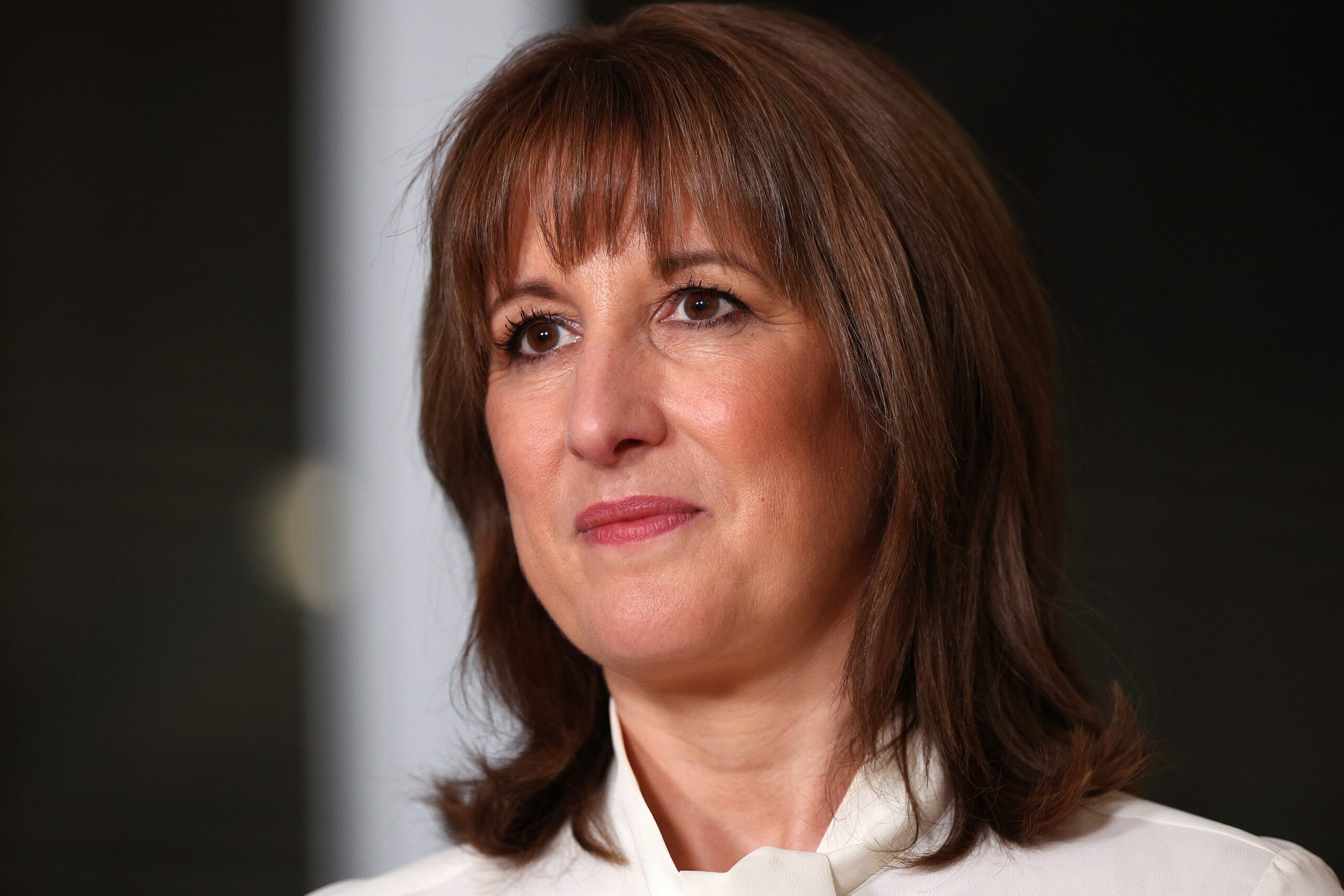
Chancellor Rachel Reeves faces calls for her resignation following public backlash against her recent decision to extend the freeze on income tax thresholds. This move has been perceived by many voters as a violation of the Labour Party’s manifesto commitments. A new poll reveals that a significant majority of UK voters, approximately 57 percent, believe Reeves should step down after her controversial Budget announcement, which increased the tax burden by £26 billion.
The decision to maintain the freeze is viewed as a breach of the party’s promise not to raise taxes on working individuals. This sentiment is echoed by a notable 29 percent of Labour voters who also believe Reeves should resign. Despite this, around 32 percent of respondents oppose her resignation, including nearly two-thirds of Labour supporters.
Public Discontent Over Tax Rises
The latest poll conducted by City AM and Freshwater Strategy indicates widespread dissatisfaction with the government’s economic policies. Nearly half of the respondents, 44 percent, attribute the recent tax increases to the government’s own decisions, countering the administration’s attempts to blame the previous Conservative government. Only 25 percent of voters align with Reeves in holding the Conservatives accountable for the current economic challenges.
Reeves’ approval ratings have suffered significantly, dropping by four percentage points to a new low of -45. Criticism of the Chancellor has intensified, with opposition leaders such as Kemi Badenoch and Nigel Farage demanding her resignation amid accusations of misleading the public regarding economic data prior to the Budget.
Voters Reject Key Budget Policies
The poll results further reveal that the majority of voters disagree with several key policies introduced in the recent Budget. A substantial 64 percent believe the three-year extension of income tax thresholds constitutes a breach of Labour’s manifesto. Only 12 percent disagreed with this assessment.
When asked about the decision to freeze income tax thresholds, only 21 percent supported it, while 56 percent opposed the move. Additionally, nearly half of respondents, 46 percent, expressed disapproval of lifting the two-child benefit cap, a policy that some see as an attempt to regain support from dissatisfied Labour MPs.
Despite recent measures intended to alleviate the cost of living, including the removal of certain green levies on household energy bills and an increase in the national living wage, nearly half of voters (48 percent) anticipate being worse off as a result of the Budget. In contrast, just 8 percent believe they will be better off.
Poll Methodology
The Freshwater Strategy poll surveyed 1,558 eligible voters in the UK, aged 18 and over, between November 28 and 30, 2025. The data has a margin of error of ±2.5 percent and is weighted to ensure representation of the UK voter demographic. Freshwater Strategy is a member of the British Polling Council and adheres to its guidelines, ensuring the credibility of the findings.
The findings highlight a challenging landscape for Rachel Reeves and the Labour Party as they navigate public discontent and scrutiny over their economic policies.

Cattle Showcases Thrive at RUAS Winter Fair 2023

UK and US Strike Zero Tariff Agreement on Pharmaceuticals

Maya Jama Stuns in Strapless Ensemble at Qatar Grand Prix

Russia and Saudi Arabia Launch Visa-Free Travel Agreement

ISOLDE Facility Marks 10 Years of Advancements in Nuclear Research

Voters Demand Resignation of Chancellor Rachel Reeves Over Tax Hikes

Shoppers Save 30% on Marks & Spencer’s Viral Velvet Dress

Health Campaigners Urge End to Smoking Exemption for Lounges

Charity Shop Surprise: Woman Finds Joggers Worth £2,000 for £8

Iconic 90s TV Show House Hits Market for £1.1 Million

Milk Bank Urges Mothers to Donate for Premature Babies’ Health

Alessia Russo Signs Long-Term Deal with Arsenal Ahead of WSL Season

Shoppers Flock to Discounted Neck Pillow on Amazon for Travel Comfort

Museums Body Critiques EHRC Proposals on Gender Facilities

Trump Visits Europe: Business, Politics, or Leisure?

Japanese Teen Sorato Shimizu Breaks U18 100m Record in 10 Seconds

Couple Shares Inspiring Love Story Defying Height Stereotypes

Anglian Water Raises Concerns Over Proposed AI Data Centre
-
 Entertainment2 months ago
Iconic 90s TV Show House Hits Market for £1.1 Million
-
 Lifestyle4 months ago
Milk Bank Urges Mothers to Donate for Premature Babies’ Health
-
 Sports3 months ago
Alessia Russo Signs Long-Term Deal with Arsenal Ahead of WSL Season
-
 Lifestyle4 months ago
Shoppers Flock to Discounted Neck Pillow on Amazon for Travel Comfort
-
 Politics4 months ago
Museums Body Critiques EHRC Proposals on Gender Facilities
-
 Business4 months ago
Trump Visits Europe: Business, Politics, or Leisure?
-
 Lifestyle4 months ago
Japanese Teen Sorato Shimizu Breaks U18 100m Record in 10 Seconds
-
 Politics4 months ago
Couple Shares Inspiring Love Story Defying Height Stereotypes
-
 World4 months ago
Anglian Water Raises Concerns Over Proposed AI Data Centre
-

 Sports4 months ago
Bournemouth Dominates Everton with 3-0 Victory in Premier League Summer Series
-

 World4 months ago
Wreckage of Missing Russian Passenger Plane Discovered in Flames
-

 Lifestyle4 months ago
Shoppers Rave About Roman’s £42 Midi Dress, Calling It ‘Elegant’