
World
Airlines Prepare for Airbus A380 Replacement with Boeing 777X

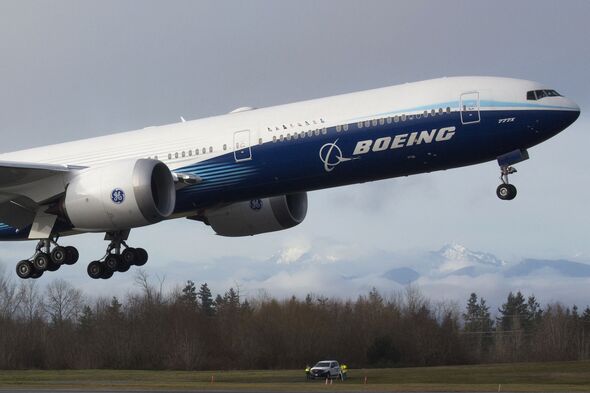
The iconic Airbus A380, long celebrated as the world’s largest passenger aircraft, is on the verge of being succeeded as airlines seek a more efficient alternative. With production of the A380 ceasing in 2021, airlines are now turning their attention to the Boeing 777X, which has been positioned as a suitable replacement. This shift comes as operational costs and demand for efficiency reshape the commercial aviation landscape.
Despite the A380’s decline, the Dubai-based airline, Emirates, continues to operate over 100 of these aircraft, accounting for approximately half of the total global production. The airline has taken significant steps to maintain its A380 fleet, even acquiring second-hand models from other airlines that have retired theirs due to increased operational expenses. Dubai International Airport has adapted to accommodate the A380’s size by introducing specialized jet bridges, underscoring the aircraft’s status in the industry.
While the A380 boasts a passenger capacity of between 500 and 600, the Boeing 777X is designed to carry approximately 400 to 415 passengers. It is worth noting that the 777X will not enter service until 2027, but it promises a range of advantages that could transform air travel. As described by the aviation news outlet Simple Flying, the 777X is anticipated to be a significant advancement for commercial aviation, despite not matching the A380’s passenger capacity or its unique double-decker design.
The Boeing 777X is equipped with the innovative GE9X engines, which are set to be the largest turbofan engines ever installed on a commercial aircraft. These engines represent a leap forward in aviation technology, offering improved fuel efficiency and reduced maintenance requirements compared to the A380. This shift aligns with the industry’s broader push towards sustainability and cost-effectiveness.
In addition to its impressive engineering, the 777X promises a luxurious passenger experience with modern cabin architecture. This design flexibility allows airlines to adjust cabin layouts based on shifting demand for premium versus economy seating, enhancing overall passenger comfort and satisfaction.
Although there may never be a true replacement for the Airbus A380, which has become an emblem of innovation and luxury in air travel, the 777X is poised to carry forward the legacy of large-capacity flight. As Luke Diaz from Simple Flying notes, the A380 is not just an aircraft; it is a symbol of ambition and grandeur in the skies. The transition to the Boeing 777X marks a significant moment in aviation history, as the industry embraces new technology while acknowledging the monumental impact of the A380.
As airlines navigate this transition, the future of air travel looks promising, with the Boeing 777X set to redefine efficiency and passenger experience in the coming years.

Marie Helvin Discusses Dating Challenges and Body Confidence at 73

Danny Morrison Reflects on United Ireland, Gerry Adams, and Stormont’s Future

Southampton University and Siemens Collaborate to Advance MEMS Technology

Barcelona’s Deco Highlights Rashford’s Burden at Manchester United

Rolls-Royce Shares Surge 77% in 2025: What’s Next for Investors?

Welsh Ambulance Service Targets Frequent 999 Callers for Support

Welsh Ambulance Service Targets Frequent 999 Callers for Better Care

Bremen’s Marble Imaging Secures €5.3M for Revolutionary Satellites

WNBA and Players Association Secure 40-Day Extension on CBA Talks

Iconic 90s TV Show House Hits Market for £1.1 Million

Milk Bank Urges Mothers to Donate for Premature Babies’ Health

Alessia Russo Signs Long-Term Deal with Arsenal Ahead of WSL Season

Shoppers Flock to Discounted Neck Pillow on Amazon for Travel Comfort

Museums Body Critiques EHRC Proposals on Gender Facilities

Trump Visits Europe: Business, Politics, or Leisure?

Japanese Teen Sorato Shimizu Breaks U18 100m Record in 10 Seconds

Couple Shares Inspiring Love Story Defying Height Stereotypes

Anglian Water Raises Concerns Over Proposed AI Data Centre
-
 Entertainment2 months ago
Iconic 90s TV Show House Hits Market for £1.1 Million
-
 Lifestyle4 months ago
Milk Bank Urges Mothers to Donate for Premature Babies’ Health
-
 Sports3 months ago
Alessia Russo Signs Long-Term Deal with Arsenal Ahead of WSL Season
-
 Lifestyle4 months ago
Shoppers Flock to Discounted Neck Pillow on Amazon for Travel Comfort
-
 Politics4 months ago
Museums Body Critiques EHRC Proposals on Gender Facilities
-
 Business4 months ago
Trump Visits Europe: Business, Politics, or Leisure?
-
 Lifestyle4 months ago
Japanese Teen Sorato Shimizu Breaks U18 100m Record in 10 Seconds
-
 Politics4 months ago
Couple Shares Inspiring Love Story Defying Height Stereotypes
-
 World4 months ago
Anglian Water Raises Concerns Over Proposed AI Data Centre
-

 Sports4 months ago
Bournemouth Dominates Everton with 3-0 Victory in Premier League Summer Series
-

 World4 months ago
Wreckage of Missing Russian Passenger Plane Discovered in Flames
-

 Lifestyle4 months ago
Shoppers Rave About Roman’s £42 Midi Dress, Calling It ‘Elegant’