
World
Germany Expands Military Forces as UK Recruitment Struggles

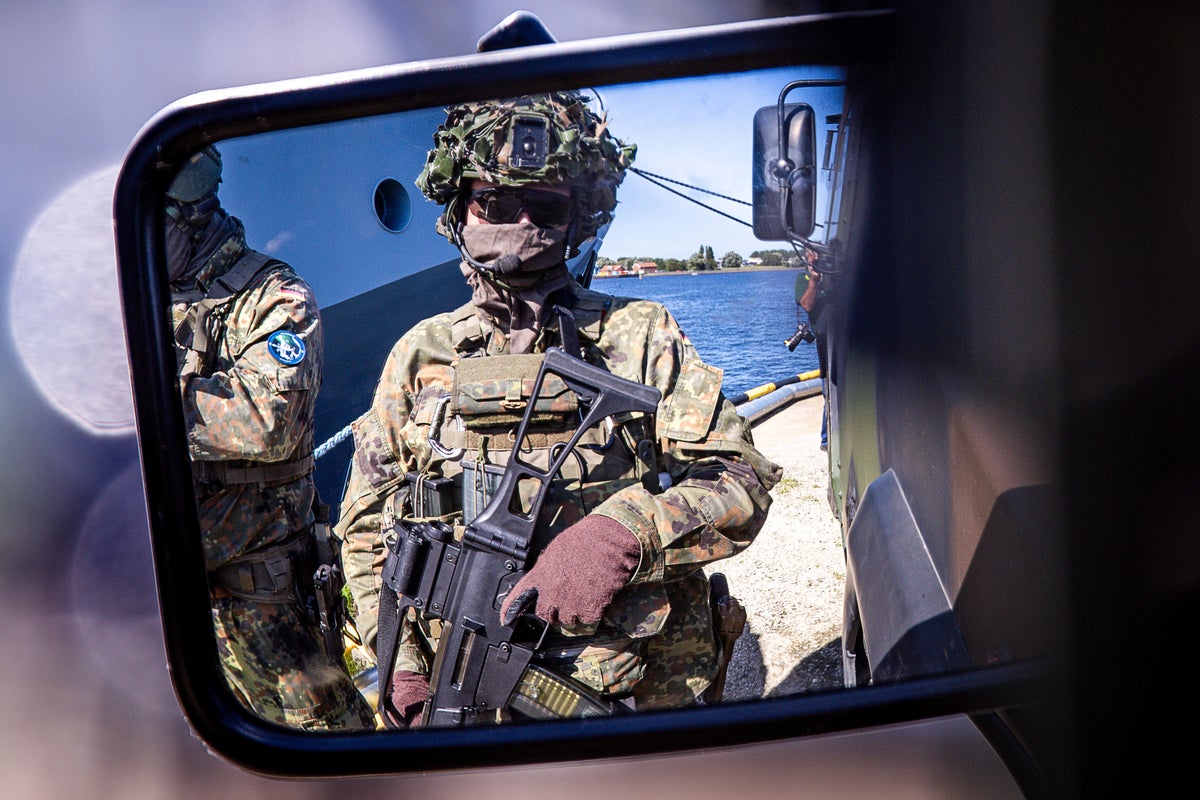
Germany is significantly enhancing its military capabilities amidst rising tensions in Europe, while the United Kingdom faces challenges in meeting its recruitment targets. As the threat from Russia escalates, particularly following its actions in Ukraine, Germany’s response has included plans to expand its armed forces, positioning itself as a key player in European defense.
In a move that underscores its commitment to national security, the German government announced that all 18-year-old men will undergo compulsory medical screenings for military service. This initiative is part of a broader strategy to increase the size of the Bundeswehr from approximately 182,000 personnel to 260,000 by 2035. Additionally, Germany aims to boost its reserve forces from 60,000 to 200,000, reflecting a shift in defense policy that has not been seen since the end of World War II.
Germany’s defense budget is expected to escalate to €153 billion annually, equating to 3.5 percent of its GDP. This expenditure will not only strengthen the military but also focus on domestic arms production, aiming to keep around 90 percent of its military spending within Europe. In contrast, the UK’s defense budget is projected to be around £75 billion, significantly lower than Germany’s ambitious plans.
The urgency of this military expansion is echoed by other European nations. Poland, for instance, is already allocating 4.7 percent of its GDP to defense and has introduced mandatory military training for all adult males. Prime Minister Donald Tusk stated, “We will try to have a ready model by the end of this year so that every adult male in Poland is trained in the event of war.” This proactive stance highlights a growing recognition among European countries of the potential threats posed by Russia.
In the UK, however, military recruitment has fallen short of expectations. The British Army’s target of approximately 10,000 new recruits is currently 3 percent below target, while the Royal Navy is missing its recruitment goals by 8 percent and the Royal Air Force is lagging behind by 13 percent. Despite plans to increase spending by an additional £5 billion for the fiscal year 2025-26, aimed at modernizing military capabilities, recruitment remains a critical concern.
The UK’s focus on bolstering military technology includes investments in new weapon systems, drones, and advanced technologies such as directed energy weapons. Yet, the lack of public enthusiasm for service suggests a disconnect between expressions of patriotism and the realities of military engagement. As the UK’s allies in Europe mobilize for potential conflict, the British public has yet to fully embrace the notion of service as a patriotic duty.
Prominent political figures, including Keir Starmer and French President Emmanuel Macron, have been active in rallying support for Ukraine against Russian aggression. They have emphasized the importance of a united European front, contrasting sharply with the UK’s more passive approach to recruitment and military readiness.
As Germany and other European nations prepare for potential conflict, the UK must address its recruitment challenges and reassess its commitment to national defense. The evolving geopolitical landscape demands a collective response, and the urgency for the UK to align with its European partners has never been more critical. With the specter of war looming, the question remains: will Britain rise to the occasion, or will it continue to lag behind its allies in military preparedness?

Marie Helvin Discusses Dating Challenges and Body Confidence at 73

Danny Morrison Reflects on United Ireland, Gerry Adams, and Stormont’s Future

Southampton University and Siemens Collaborate to Advance MEMS Technology

Barcelona’s Deco Highlights Rashford’s Burden at Manchester United

Rolls-Royce Shares Surge 77% in 2025: What’s Next for Investors?

Welsh Ambulance Service Targets Frequent 999 Callers for Support

Welsh Ambulance Service Targets Frequent 999 Callers for Better Care

Bremen’s Marble Imaging Secures €5.3M for Revolutionary Satellites

WNBA and Players Association Secure 40-Day Extension on CBA Talks

Iconic 90s TV Show House Hits Market for £1.1 Million

Milk Bank Urges Mothers to Donate for Premature Babies’ Health

Alessia Russo Signs Long-Term Deal with Arsenal Ahead of WSL Season

Shoppers Flock to Discounted Neck Pillow on Amazon for Travel Comfort

Museums Body Critiques EHRC Proposals on Gender Facilities

Trump Visits Europe: Business, Politics, or Leisure?

Japanese Teen Sorato Shimizu Breaks U18 100m Record in 10 Seconds

Couple Shares Inspiring Love Story Defying Height Stereotypes

Anglian Water Raises Concerns Over Proposed AI Data Centre
-
 Entertainment2 months ago
Iconic 90s TV Show House Hits Market for £1.1 Million
-
 Lifestyle4 months ago
Milk Bank Urges Mothers to Donate for Premature Babies’ Health
-
 Sports3 months ago
Alessia Russo Signs Long-Term Deal with Arsenal Ahead of WSL Season
-
 Lifestyle4 months ago
Shoppers Flock to Discounted Neck Pillow on Amazon for Travel Comfort
-
 Politics4 months ago
Museums Body Critiques EHRC Proposals on Gender Facilities
-
 Business4 months ago
Trump Visits Europe: Business, Politics, or Leisure?
-
 Lifestyle4 months ago
Japanese Teen Sorato Shimizu Breaks U18 100m Record in 10 Seconds
-
 Politics4 months ago
Couple Shares Inspiring Love Story Defying Height Stereotypes
-
 World4 months ago
Anglian Water Raises Concerns Over Proposed AI Data Centre
-

 Sports4 months ago
Bournemouth Dominates Everton with 3-0 Victory in Premier League Summer Series
-

 World4 months ago
Wreckage of Missing Russian Passenger Plane Discovered in Flames
-

 Lifestyle4 months ago
Shoppers Rave About Roman’s £42 Midi Dress, Calling It ‘Elegant’