
World
Germany Intensifies Deportations of Afghan and Syrian Migrants

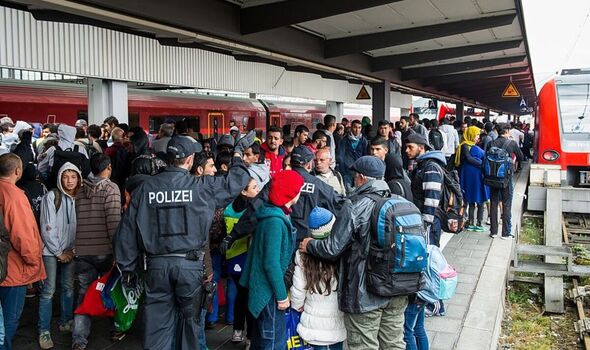
Germany is increasing its deportations of Afghan and Syrian nationals convicted of crimes as part of a broader strategy to control immigration. This measure comes amid rising political pressure from the far-right party, Alternative for Germany (AfD), which capitalized on public concerns about immigration. The AfD gained significant traction in February 2024, securing 10.4% of the national vote and 83 seats in the Bundestag, making it the second largest party in parliament.
The surge in AfD support has prompted Chancellor Friedrich Merz’s government to prioritize immigration control as a key policy. Recent polling indicates that if elections were held now, the AfD could secure the most votes, further motivating the government to act decisively.
New data reveals an 18% increase in deportations during the first ten months of this year compared to the same period in 2022. This uptick reflects the government’s commitment to a stricter immigration policy, particularly focusing on asylum seekers from Afghanistan and Syria who have criminal records.
Government’s Plans for Regular Deportations
During a recent conference for the Christian Democratic Union (CDU), Interior Minister Alexander Dobrindt outlined plans for more systematic deportation operations. He stated that the government is working on organizing regular deportation flights, both via charter and scheduled commercial airlines. Dobrindt emphasized the need for these operations to be conducted smoothly and mentioned ongoing discussions with both Afghanistan and Syria to facilitate the process.
Dobrindt remarked, “Ordinary Germans expect no less of their government,” stressing that authorities must respond to the public’s concerns about criminal migrants. He added, “We must significantly increase our readiness to proceed with deportations, taking into account the legitimate concerns of our citizens.”
The government’s approach has not been without controversy. Critics have denounced the measures as politically motivated, suggesting that they serve to distract from other pressing issues. Wais Naseri, a political analyst based in Germany, described the deportation strategy as a “conspiracy” and a “political maneuver.” He challenged the assertions made by Dobrindt, arguing that claims about the criminality of certain Afghan migrants are not substantiated.
Political Implications and Public Sentiment
The heightened focus on deportations reflects a significant shift in the political landscape in Germany, where immigration remains a contentious issue. As the AfD continues to gain support, traditional parties are under pressure to address public fears surrounding immigration and social integration.
While the government defends its actions as necessary for public safety, opponents argue that these measures could further alienate vulnerable populations. The debate over how to balance national security with humanitarian obligations is likely to intensify as Germany navigates its immigration policy in the coming months.
As the situation evolves, both the government and the AfD will continue to shape the dialogue around immigration, impacting the future of migrants in Germany and the political climate across Europe.

LaLiga Thrills: Key Highlights from Recent Fixtures Unveiled

Germany Intensifies Deportations of Afghan and Syrian Migrants

Shoppers Embrace Next’s £36 Knit as Trendy Christmas Alternative

Harbour Energy Announces 100 Job Cuts Amid Industry Challenges

Amy Childs Shares Weight Gain Journey, Emphasizing Self-Love

UK and US Set to Finalize Zero-Tariff Agreement on Pharmaceuticals

Liverpool Activates Backup Plan as Man City Targets Antoine Semenyo

British Father Drowns in Thailand After Being Swept Away by Waves

TorroFX Set to Transform Trading Landscape with Launch on December 1, 2025

Iconic 90s TV Show House Hits Market for £1.1 Million

Milk Bank Urges Mothers to Donate for Premature Babies’ Health

Alessia Russo Signs Long-Term Deal with Arsenal Ahead of WSL Season

Shoppers Flock to Discounted Neck Pillow on Amazon for Travel Comfort

Museums Body Critiques EHRC Proposals on Gender Facilities

Trump Visits Europe: Business, Politics, or Leisure?

Japanese Teen Sorato Shimizu Breaks U18 100m Record in 10 Seconds

Couple Shares Inspiring Love Story Defying Height Stereotypes

Anglian Water Raises Concerns Over Proposed AI Data Centre
-
 Entertainment2 months ago
Iconic 90s TV Show House Hits Market for £1.1 Million
-
 Lifestyle4 months ago
Milk Bank Urges Mothers to Donate for Premature Babies’ Health
-
 Sports3 months ago
Alessia Russo Signs Long-Term Deal with Arsenal Ahead of WSL Season
-
 Lifestyle4 months ago
Shoppers Flock to Discounted Neck Pillow on Amazon for Travel Comfort
-
 Politics4 months ago
Museums Body Critiques EHRC Proposals on Gender Facilities
-
 Business4 months ago
Trump Visits Europe: Business, Politics, or Leisure?
-
 Lifestyle4 months ago
Japanese Teen Sorato Shimizu Breaks U18 100m Record in 10 Seconds
-
 Politics4 months ago
Couple Shares Inspiring Love Story Defying Height Stereotypes
-
 World4 months ago
Anglian Water Raises Concerns Over Proposed AI Data Centre
-

 Sports4 months ago
Bournemouth Dominates Everton with 3-0 Victory in Premier League Summer Series
-

 World4 months ago
Wreckage of Missing Russian Passenger Plane Discovered in Flames
-

 Lifestyle4 months ago
Shoppers Rave About Roman’s £42 Midi Dress, Calling It ‘Elegant’