
World
Global Oil Demand Growth Slows as China and EVs Reshape Market

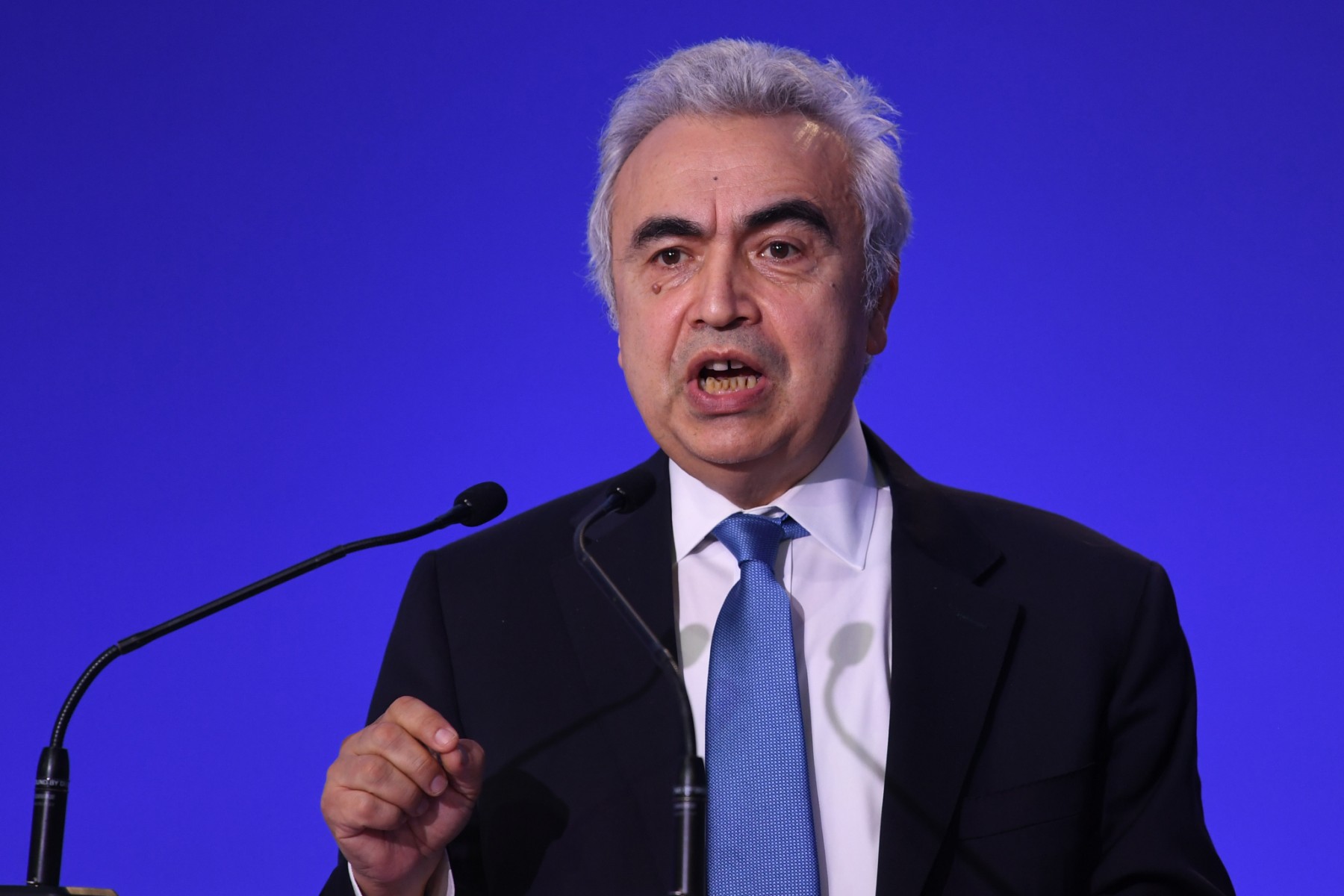
Global oil demand growth is experiencing a significant slowdown, primarily attributed to China’s economic deceleration and the increasing prevalence of electric vehicles, according to Fatih Birol, the Executive Director of the International Energy Agency (IEA). In a recent interview, Birol emphasized that over the past decade, more than 60% of global oil demand growth originated from China, with the rest of the world contributing 40%. He noted that the current decline in Chinese oil demand is a direct reflection of the broader slowdown in the Chinese economy, a sentiment echoed by various financial institutions and the International Monetary Fund (IMF).
Birol pointed out that the IEA had previously predicted this trend, despite facing skepticism. “In 2024, we forecasted a notable decrease in global oil demand growth, estimating an increase of less than 1 million barrels per day,” he stated. Other organizations had projected a growth of over 2 million barrels per day. The IEA’s forecasts proved accurate, yet Birol lamented that the success of these predictions went largely unreported.
Impact of Supply Dynamics on Oil Prices
The IEA chief highlighted the surge in oil production from the Americas as a critical factor shaping current market dynamics. He referred to the United States, Canada, Brazil, Argentina, and Guyana as the “American quintet.” “The US is leading this production growth significantly,” Birol remarked, adding that this influx of supply has contributed to stabilizing prices despite weaker demand.
He underscored that continued investment in oil production is crucial, stating, “Oil fields, like human beings, are very productive but come to a peak, and after that, they start to decline. To counterbalance the decline in existing fields, investment is essential.” Currently, 90% of investment in oil is directed toward maintaining current production levels, with only 10% aimed at accommodating demand growth.
The disparity between robust supply and diminishing demand is a key factor keeping oil prices relatively stable, according to Birol. “Despite geopolitical tensions, including ongoing events in the Middle East, prices remain around $60 per barrel. This indicates comfortable pricing levels in the market,” he explained.
Concerns Over Europe’s Energy Security
Birol also addressed the implications of energy security for Europe, warning that historical policy decisions have left the continent vulnerable. “I live in Paris and engage with various international leaders, including those from the US, Europe, Japan, and India. We are in a challenging situation regarding energy,” he stated.
He pointed out that elevated energy prices pose significant challenges to the competitiveness of European economies. Furthermore, he noted that energy security has become a critical risk, attributing this to what he termed “three historical strategic mistakes” made in the last thirty years. These missteps, he argued, have had lasting repercussions on Europe’s economy, energy strategy, foreign policy, and defense capabilities.
Birol’s insights underscore the evolving landscape of global oil demand and the complex interplay of economic factors driving market changes. As nations adapt to these challenges, the focus on sustainable energy solutions, including electric vehicles, is likely to intensify, shaping the future of energy consumption worldwide.

Cattle Showcases Thrive at RUAS Winter Fair 2023

UK and US Strike Zero Tariff Agreement on Pharmaceuticals

Maya Jama Stuns in Strapless Ensemble at Qatar Grand Prix

Russia and Saudi Arabia Launch Visa-Free Travel Agreement

ISOLDE Facility Marks 10 Years of Advancements in Nuclear Research

Voters Demand Resignation of Chancellor Rachel Reeves Over Tax Hikes

Shoppers Save 30% on Marks & Spencer’s Viral Velvet Dress

Health Campaigners Urge End to Smoking Exemption for Lounges

Charity Shop Surprise: Woman Finds Joggers Worth £2,000 for £8

Iconic 90s TV Show House Hits Market for £1.1 Million

Milk Bank Urges Mothers to Donate for Premature Babies’ Health

Alessia Russo Signs Long-Term Deal with Arsenal Ahead of WSL Season

Shoppers Flock to Discounted Neck Pillow on Amazon for Travel Comfort

Museums Body Critiques EHRC Proposals on Gender Facilities

Trump Visits Europe: Business, Politics, or Leisure?

Japanese Teen Sorato Shimizu Breaks U18 100m Record in 10 Seconds

Couple Shares Inspiring Love Story Defying Height Stereotypes

Anglian Water Raises Concerns Over Proposed AI Data Centre
-
 Entertainment2 months ago
Iconic 90s TV Show House Hits Market for £1.1 Million
-
 Lifestyle4 months ago
Milk Bank Urges Mothers to Donate for Premature Babies’ Health
-
 Sports3 months ago
Alessia Russo Signs Long-Term Deal with Arsenal Ahead of WSL Season
-
 Lifestyle4 months ago
Shoppers Flock to Discounted Neck Pillow on Amazon for Travel Comfort
-
 Politics4 months ago
Museums Body Critiques EHRC Proposals on Gender Facilities
-
 Business4 months ago
Trump Visits Europe: Business, Politics, or Leisure?
-
 Lifestyle4 months ago
Japanese Teen Sorato Shimizu Breaks U18 100m Record in 10 Seconds
-
 Politics4 months ago
Couple Shares Inspiring Love Story Defying Height Stereotypes
-
 World4 months ago
Anglian Water Raises Concerns Over Proposed AI Data Centre
-

 Sports4 months ago
Bournemouth Dominates Everton with 3-0 Victory in Premier League Summer Series
-

 World4 months ago
Wreckage of Missing Russian Passenger Plane Discovered in Flames
-

 Lifestyle4 months ago
Shoppers Rave About Roman’s £42 Midi Dress, Calling It ‘Elegant’