
World
Japan Faces Severe Influenza Outbreak as Winter Approaches

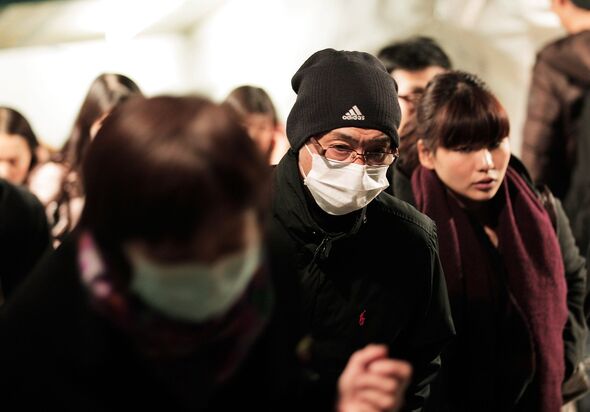
Japan is experiencing a significant influenza outbreak, with over 6,000 hospitalisations and the closure of more than 200 schools. This alarming situation has raised concerns about the potential for a new pandemic as the country enters winter. The country’s Ministry of Health, Labour and Welfare (MHLW) reported on October 3, 2023, that the flu season has commenced—marking the second-earliest start in two decades, arriving five weeks earlier than in 2022.
In the week leading up to October 5, influenza cases surged to 6,013, a staggering 50% increase from the previous week. This rise has pushed the number of infections since early September to over 20,000, with 75 deaths mainly occurring among the elderly and children under five. The predominant strain causing this outbreak is H3N2, known for its association with high fevers and respiratory complications.
Factors Contributing to the Surge
Experts attribute the increased influenza activity to several factors, including weakened immunity following the COVID-19 pandemic, changing climate patterns, and heightened international travel. Professor Yoko Tsukamoto from Hokkaido University of Health Sciences noted, “The flu season has started really early this year, but in the changing global environment this might become a more common scenario.” Similar early outbreaks in countries like Australia and Malaysia suggest a possible shift towards year-round flu transmission.
The situation has sparked alarm on social media, where many users are drawing parallels to the early days of the COVID-19 pandemic. Posts have highlighted the rapid increase in hospitalisations and school closures, with one user remarking, “New pandemic coming? Japan declares nationwide flu outbreak, over 4,000 hospitalised.”
As of now, 28 out of 47 prefectures in Japan have exceeded epidemic levels, putting substantial pressure on children’s wards. The MHLW urged the public to adopt preventive measures in its recent update on October 10, recommending hand-washing and vaccination. While the ministry is expanding access to free vaccinations for older adults and vulnerable groups, participation remains low at around 40%, largely due to pandemic fatigue.
Future Predictions and Public Health Recommendations
The MHLW anticipates a full-scale outbreak may occur between late December and February, though officials emphasize that there is no need for panic. Professor Tsukamoto highlighted the importance of targeted protection, stating, “For most healthy individuals, the flu may be unpleasant but not dangerous. But for vulnerable groups, early vaccination is crucial.”
Preventive measures such as vaccination, regular hand-washing, and wearing masks in crowded spaces are essential for curbing the spread of the virus. In response to the outbreak, stockpiles of antivirals like Tamiflu are being increased, and additional healthcare staff are being mobilised. The U.S. Centers for Disease Control and Prevention (CDC) is monitoring the situation but has not issued specific warnings.
While the current outbreak does not mirror the events of 2020 and the onset of COVID-19, the rapid doubling of cases each week underscores the interconnected nature of global health crises. As Professor Tsukamoto aptly advises, in an interconnected world, one country’s flu crisis could potentially ignite a wider issue. Vaccination, masking, and basic hygiene practices remain essential in mitigating the risks associated with this outbreak.

Liverpool Activates Backup Plan as Man City Targets Antoine Semenyo

British Father Drowns in Thailand After Being Swept Away by Waves

TorroFX Set to Transform Trading Landscape with Launch on December 1, 2025

BBC Breakfast’s Sally Nugent Apologizes for News Disruption

Recognize Bowel Cancer Signs During Festive Overindulgence

Marie Helvin Discusses Dating Challenges and Body Confidence at 73

Danny Morrison Reflects on United Ireland, Gerry Adams, and Stormont’s Future

Southampton University and Siemens Collaborate to Advance MEMS Technology

Barcelona’s Deco Highlights Rashford’s Burden at Manchester United

Iconic 90s TV Show House Hits Market for £1.1 Million

Milk Bank Urges Mothers to Donate for Premature Babies’ Health

Alessia Russo Signs Long-Term Deal with Arsenal Ahead of WSL Season

Shoppers Flock to Discounted Neck Pillow on Amazon for Travel Comfort

Museums Body Critiques EHRC Proposals on Gender Facilities

Trump Visits Europe: Business, Politics, or Leisure?

Japanese Teen Sorato Shimizu Breaks U18 100m Record in 10 Seconds

Couple Shares Inspiring Love Story Defying Height Stereotypes

Anglian Water Raises Concerns Over Proposed AI Data Centre
-
 Entertainment2 months ago
Iconic 90s TV Show House Hits Market for £1.1 Million
-
 Lifestyle4 months ago
Milk Bank Urges Mothers to Donate for Premature Babies’ Health
-
 Sports3 months ago
Alessia Russo Signs Long-Term Deal with Arsenal Ahead of WSL Season
-
 Lifestyle4 months ago
Shoppers Flock to Discounted Neck Pillow on Amazon for Travel Comfort
-
 Politics4 months ago
Museums Body Critiques EHRC Proposals on Gender Facilities
-
 Business4 months ago
Trump Visits Europe: Business, Politics, or Leisure?
-
 Lifestyle4 months ago
Japanese Teen Sorato Shimizu Breaks U18 100m Record in 10 Seconds
-
 Politics4 months ago
Couple Shares Inspiring Love Story Defying Height Stereotypes
-
 World4 months ago
Anglian Water Raises Concerns Over Proposed AI Data Centre
-

 Sports4 months ago
Bournemouth Dominates Everton with 3-0 Victory in Premier League Summer Series
-

 World4 months ago
Wreckage of Missing Russian Passenger Plane Discovered in Flames
-

 Lifestyle4 months ago
Shoppers Rave About Roman’s £42 Midi Dress, Calling It ‘Elegant’