
World
New EU Border System Delays Aid Deliveries to Ukraine

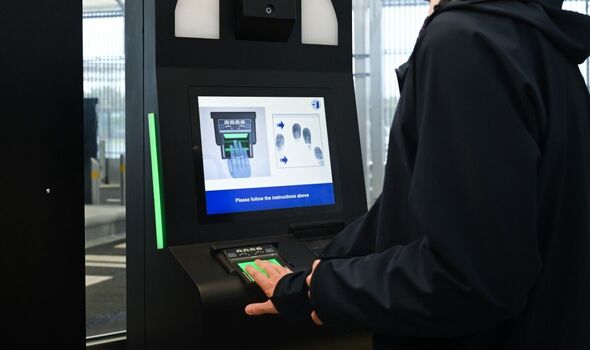
The implementation of the new digital border system in the European Union is causing significant delays in humanitarian aid deliveries to Ukraine, according to multiple charities and aid organizations. The Entry/Exit System (EES) requires individuals from non-EU countries to provide fingerprints and photographs to enter any of the 29 Schengen area nations, leading to wait times exceeding seven hours for some aid workers.
The 332-mile border between Ukraine and Poland has become a critical route for aid transport. Organizations engaged in relief efforts report that these new restrictions are hampering their missions at a time when timely assistance is vital. One charity worker indicated that their shipment of aid would face “taxes” on their next crossing, even though this was not imposed during their previous twenty trips.
Phil, a representative from Global Animal Rescue and Response, shared his experience at the Zosin-Ustyluh crossing while returning to the EU after delivering aid. He expressed frustration with the system, stating, “EES is absolutely atrocious. It took me seven-and-a-half hours to cross the border, despite this being our 20th trip into Ukraine.” Phil noted that the new system was implemented just as he began his latest mission, complicating his return. He criticized the requirement for biometric data, saying, “I felt like a criminal,” emphasizing how the delays could deter both individuals and organizations from providing essential aid.
Another aid worker, who chose to remain anonymous due to the sensitive nature of his work, described a recent delay caused by a computer failure while picking up a much-needed ambulance donated by the UK. He urged, “The EU needs to get a handle on this new border system and make sure it’s working properly.” His remarks highlight the disconnect between high-level political support for Ukraine and the operational challenges on the ground.
The European Commission responded to the concerns by stating that the EES had a “successful” launch this month. They emphasized ongoing communication with member states, including Poland, to address any operational issues. A spokesperson said, “During the first six months of its implementation, Member States can choose when and where to start using the system at specific border crossing points.”
As the situation develops, the humanitarian community is closely monitoring the effects of the EES on aid delivery to Ukraine. The urgent need for effective and efficient border processes remains paramount as organizations continue to mobilize resources for those affected by the ongoing conflict.

Marie Helvin Discusses Dating Challenges and Body Confidence at 73

Danny Morrison Reflects on United Ireland, Gerry Adams, and Stormont’s Future

Southampton University and Siemens Collaborate to Advance MEMS Technology

Barcelona’s Deco Highlights Rashford’s Burden at Manchester United

Rolls-Royce Shares Surge 77% in 2025: What’s Next for Investors?

Welsh Ambulance Service Targets Frequent 999 Callers for Support

Welsh Ambulance Service Targets Frequent 999 Callers for Better Care

Bremen’s Marble Imaging Secures €5.3M for Revolutionary Satellites

WNBA and Players Association Secure 40-Day Extension on CBA Talks

Iconic 90s TV Show House Hits Market for £1.1 Million

Milk Bank Urges Mothers to Donate for Premature Babies’ Health

Alessia Russo Signs Long-Term Deal with Arsenal Ahead of WSL Season

Shoppers Flock to Discounted Neck Pillow on Amazon for Travel Comfort

Museums Body Critiques EHRC Proposals on Gender Facilities

Trump Visits Europe: Business, Politics, or Leisure?

Japanese Teen Sorato Shimizu Breaks U18 100m Record in 10 Seconds

Couple Shares Inspiring Love Story Defying Height Stereotypes

Anglian Water Raises Concerns Over Proposed AI Data Centre
-
 Entertainment2 months ago
Iconic 90s TV Show House Hits Market for £1.1 Million
-
 Lifestyle4 months ago
Milk Bank Urges Mothers to Donate for Premature Babies’ Health
-
 Sports3 months ago
Alessia Russo Signs Long-Term Deal with Arsenal Ahead of WSL Season
-
 Lifestyle4 months ago
Shoppers Flock to Discounted Neck Pillow on Amazon for Travel Comfort
-
 Politics4 months ago
Museums Body Critiques EHRC Proposals on Gender Facilities
-
 Business4 months ago
Trump Visits Europe: Business, Politics, or Leisure?
-
 Lifestyle4 months ago
Japanese Teen Sorato Shimizu Breaks U18 100m Record in 10 Seconds
-
 Politics4 months ago
Couple Shares Inspiring Love Story Defying Height Stereotypes
-
 World4 months ago
Anglian Water Raises Concerns Over Proposed AI Data Centre
-

 Sports4 months ago
Bournemouth Dominates Everton with 3-0 Victory in Premier League Summer Series
-

 World4 months ago
Wreckage of Missing Russian Passenger Plane Discovered in Flames
-

 Lifestyle4 months ago
Shoppers Rave About Roman’s £42 Midi Dress, Calling It ‘Elegant’