
World
Seville Faces Surge in Illegal Tourist Rentals Amid Housing Crisis

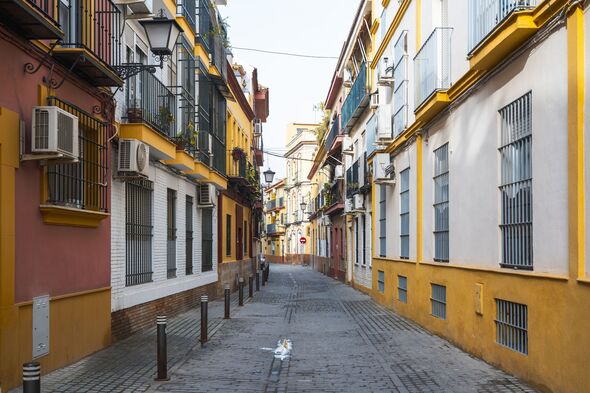
Seville, known for its vibrant flamenco culture and culinary delights, has been identified as the Spanish city with the highest number of illegal tourist apartments. According to the Ministry of Housing and Urban Agenda, the city has approximately 2,289 units operating outside legal regulations. This situation adds to the challenges posed by mass tourism, which attracts over three million visitors annually to its population of 700,000.
The issue of illegal rentals is significant in Spain, where many properties are rented out to tourists without the necessary registration or licenses. Following Seville, other cities also report high numbers of illegal tourist flats: Marbella with 1,802 units, Barcelona with 1,564, and Malaga with 1,471 units, as reported by The Olive Press.
New Regulations Introduced to Combat Illegal Rentals
On July 1, 2025, Spain implemented a nationwide rental registry aimed at identifying and verifying properties intended for temporary rentals. This initiative seeks to curb the proliferation of illegal short-term rentals, address the ongoing housing crisis, and enhance the safety of tourists. Properties not listed on this registry cannot be legally advertised online.
In response to the growing concern about illegal rentals, Spanish Prime Minister Pedro Sánchez announced plans earlier this month to convert thousands of illegal tourist apartments into permanent housing. Sánchez stated on X that the government will “demand that platforms remove 53,000 tourist flats for failing to comply with regulations, so that they can become permanent rentals for young people and families in this country.”
Local Government Actions and Community Impact
In Seville, the local government has taken a firm stance against illegal tourist rentals. Last summer, the city council pledged to cut off water supplies to properties operating without a license. This decision faced legal challenges from three property owners, but the courts upheld the council’s actions as lawful.
Meanwhile, in Barcelona, Mayor Jaume Collboni announced a strategy to phase out tourist apartments by 2028, which includes the refusal to renew licenses for over 10,000 legally registered flats. The surge in both legal and illegal short-term rentals has intensified the housing crisis in key tourist areas, leading many residents to voice their concerns.
Rising rents have become a critical issue, with prices increasing by 80% over the past decade, significantly outpacing wage growth. Currently, nearly half of tenants in Spain are spending at least 40% of their income on rent and utilities, a figure that far exceeds the EU average of 27%.
As the government implements these measures, the impact on both the local economy and the housing market remains to be seen. The balance between accommodating tourists and providing affordable housing for residents continues to pose a significant challenge for Spanish cities like Seville.

Cattle Showcases Thrive at RUAS Winter Fair 2023

UK and US Strike Zero Tariff Agreement on Pharmaceuticals

Maya Jama Stuns in Strapless Ensemble at Qatar Grand Prix

Russia and Saudi Arabia Launch Visa-Free Travel Agreement

ISOLDE Facility Marks 10 Years of Advancements in Nuclear Research

Voters Demand Resignation of Chancellor Rachel Reeves Over Tax Hikes

Shoppers Save 30% on Marks & Spencer’s Viral Velvet Dress

Health Campaigners Urge End to Smoking Exemption for Lounges

Charity Shop Surprise: Woman Finds Joggers Worth £2,000 for £8

Iconic 90s TV Show House Hits Market for £1.1 Million

Milk Bank Urges Mothers to Donate for Premature Babies’ Health

Alessia Russo Signs Long-Term Deal with Arsenal Ahead of WSL Season

Shoppers Flock to Discounted Neck Pillow on Amazon for Travel Comfort

Museums Body Critiques EHRC Proposals on Gender Facilities

Trump Visits Europe: Business, Politics, or Leisure?

Japanese Teen Sorato Shimizu Breaks U18 100m Record in 10 Seconds

Couple Shares Inspiring Love Story Defying Height Stereotypes

Anglian Water Raises Concerns Over Proposed AI Data Centre
-
 Entertainment2 months ago
Iconic 90s TV Show House Hits Market for £1.1 Million
-
 Lifestyle4 months ago
Milk Bank Urges Mothers to Donate for Premature Babies’ Health
-
 Sports3 months ago
Alessia Russo Signs Long-Term Deal with Arsenal Ahead of WSL Season
-
 Lifestyle4 months ago
Shoppers Flock to Discounted Neck Pillow on Amazon for Travel Comfort
-
 Politics4 months ago
Museums Body Critiques EHRC Proposals on Gender Facilities
-
 Business4 months ago
Trump Visits Europe: Business, Politics, or Leisure?
-
 Lifestyle4 months ago
Japanese Teen Sorato Shimizu Breaks U18 100m Record in 10 Seconds
-
 Politics4 months ago
Couple Shares Inspiring Love Story Defying Height Stereotypes
-
 World4 months ago
Anglian Water Raises Concerns Over Proposed AI Data Centre
-

 Sports4 months ago
Bournemouth Dominates Everton with 3-0 Victory in Premier League Summer Series
-

 World4 months ago
Wreckage of Missing Russian Passenger Plane Discovered in Flames
-

 Lifestyle4 months ago
Shoppers Rave About Roman’s £42 Midi Dress, Calling It ‘Elegant’